The Sopranos: 10 SHOCKING Behind-the-Scenes Facts Even Die-Hard Fans May Have Missed
The Sopranos: 10 SHOCKING Behind-the-Scenes Facts Even Die-Hard Fans May Have Missed
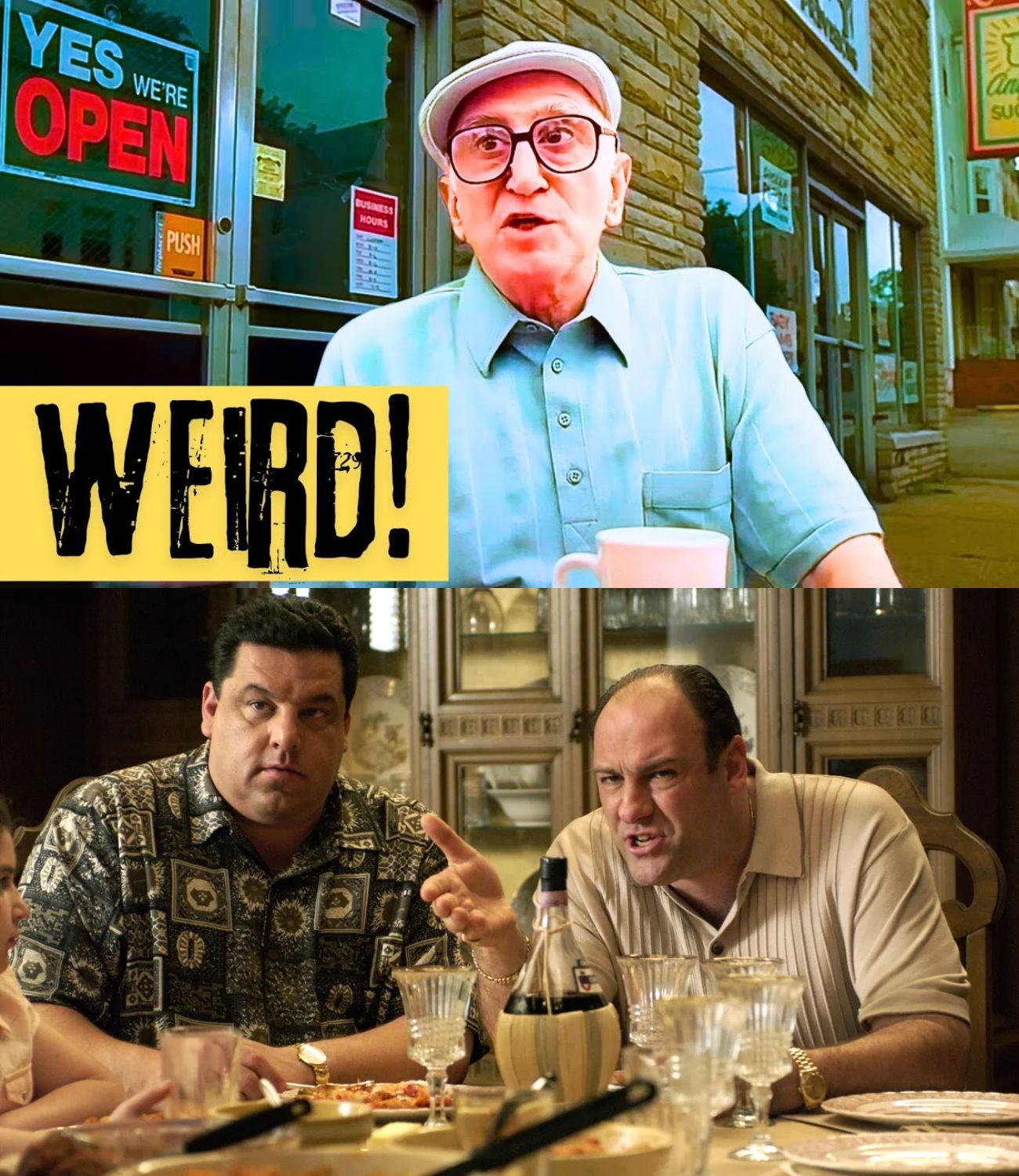
More than two decades after its debut, The Sopranos remains one of television’s most influential dramas. But behind Tony Soprano’s violent world of mob politics, family tension, and psychological turmoil were equally surprising stories involving the cast, real-life organized crime, secret production details, and bizarre coincidences. Here are 10 fascinating facts about The Sopranos that may completely change the way you see the legendary HBO series.
1. James Gandolfini once disappeared during production
James Gandolfini became internationally famous for playing Tony Soprano, but the enormous success of the series reportedly came with intense pressure.
According to the account, Gandolfini became overwhelmed during filming in 2002 and disappeared for several days without informing production.
Scheduled scenes were disrupted and producers reportedly became increasingly worried.
Then, unexpectedly, the production office received a call from Gandolfini in Brooklyn asking for a car to pick him up.
The incident illustrated just how emotionally demanding the role of Tony Soprano could be for the actor behind the character.
2. Paulie Walnuts was partly inspired by Tony Sirico’s real life
Before becoming beloved as Paulie “Walnuts” Gualtieri, Tony Sirico had a past that sounded surprisingly close to the world depicted on the show.
According to the transcript, Sirico had accumulated numerous arrests before his acting career took off.
Some details from his personal life were also incorporated into Paulie’s character.
His obsession with cleanliness and even aspects of his living arrangements reportedly reflected Sirico’s own habits.
That connection between actor and character helped give Paulie the strange authenticity fans still remember.
3. Bobby Baccalieri originally wore a fat suit
When actor Steve Schirripa first saw all the jokes about Bobby’s weight in the scripts, he was reportedly confused.
He did not believe he looked dramatically heavier than James Gandolfini.
Then the wardrobe department revealed the reason.
Schirripa was fitted with a fat suit for Bobby’s early appearances.
Eventually, as the series continued, producers decided it was no longer necessary.
Schirripa later joked that by Season 4, creator David Chase apparently thought he was “fat enough” without it.
4. One brutal mob story was inspired by a real killing
The show often blurred the line between fictional mob mythology and genuine organized-crime history.
One example involved a story told about a man being killed simply because he refused to surrender his favorite seat at a bar.
According to the transcript, the story was inspired by former Philadelphia crime boss Nicodemo “Little Nicky” Scarfo, who was associated with a similar real-life incident.
Details like this contributed to the unsettling realism that made The Sopranos different from traditional gangster television.
5. The Bada Bing was a real New Jersey club
One of the most recognizable locations in the entire series was not merely a studio set.
The exterior and many scenes involving the Bada Bing were filmed at Satin Dolls, an actual adult entertainment venue located in Lodi, New Jersey.
While The Sopranos used both real locations and sound stages at Silvercup Studios, the decision to use genuine New Jersey businesses gave the series its distinctive visual identity.
For fans, the Bada Bing became almost as iconic as Tony’s own house.
6. Real mobsters reportedly watched The Sopranos
Perhaps one of the strangest compliments the show ever received came from the very world it dramatized.
According to the transcript, FBI agents told members of the production that real organized-crime figures were discussing The Sopranos on surveillance recordings.
Writer and producer Terence Winter reportedly said actual mobsters were so impressed by the show’s accuracy that some wondered whether the writers had an insider feeding them information.
That reaction says a great deal about the extraordinary level of authenticity the show managed to achieve.
7. Big Pussy briefly returns as a “ghost”
Season 3 contains one of the show’s eeriest visual details.
During a gathering at Tony’s house, Tony opens a mirrored door and, for a fraction of a second, the reflection of Salvatore “Big Pussy” Bonpensiero appears.
There is no dramatic announcement.
Nobody reacts.
The image simply appears and disappears.
Because Pussy had previously been killed after being exposed as an FBI informant, the moment can be interpreted as a visual representation of Tony’s guilt and memory.
It remains one of the series’ most haunting Easter eggs.
8. Actor Tony Darrow later faced a real organized-crime case
Tony Darrow, who played Larry Barese, later became involved in a real legal controversy.
According to the transcript, Darrow was accused of helping arrange an assault connected to the collection of a debt.
Members associated with the Gambino crime family were allegedly involved.
Darrow eventually pleaded guilty and avoided prison through a plea arrangement that reportedly included participating in a public-service message warning about organized crime.
The strange overlap between fiction and reality stunned many fans.
9. Robert Iler faced serious legal trouble while playing A.J.
Robert Iler, who played Tony Soprano’s son A.J., was still a teenager when he encountered legal trouble off-screen.
In 2001, the 16-year-old actor was arrested in New York alongside other teenagers following allegations connected to a robbery.
He initially pleaded not guilty.
According to the transcript, Iler later accepted a plea arrangement and avoided incarceration.
The incident received significant attention because it occurred while The Sopranos was becoming one of television’s biggest cultural phenomena.
10. Satriale’s was transformed from a real storefront
Satriale’s Pork Store became another essential location in Tony Soprano’s world.
Rather than relying entirely on a studio interior, the production leased a real storefront in New Jersey and transformed it into the fictional Italian butcher shop.
It remained closely associated with the show throughout its run.
After The Sopranos ended, however, the building was eventually demolished, leaving fans with only footage and photographs of one of television’s most recognizable fictional gathering places.
Bonus: James Gandolfini changed Tony Soprano from the beginning
Perhaps the most important behind-the-scenes revelation involved the very nature of Tony Soprano.
David Chase reportedly did not originally imagine Tony as quite as physically intimidating and dangerous as the character ultimately became.
That changed during an early scene involving Christopher Moltisanti.
The script reportedly called for Tony simply to slap Christopher.
Instead, Gandolfini grabbed actor Michael Imperioli by the neck and lifted him with frightening intensity.
For Chase, the moment revealed something essential.
Tony was not merely sarcastic, frustrated, or morally compromised.
He was genuinely dangerous.
That realization helped shape one of television’s greatest antiheroes.
From real mob connections to hidden ghosts, legal scandals, genuine New Jersey locations, and James Gandolfini’s intense transformation into Tony Soprano, the world behind The Sopranos was sometimes nearly as unpredictable as the series itself.
Which of these facts surprised you the most? And what hidden detail or behind-the-scenes story from The Sopranos do you think every fan should know? Share your favorite in the comments.

