The Shocking Truth Behind The Shawshank Redemption: 10 Bizarre Behind-The-Scenes Secrets That Will Change How You See the Masterpiece Forever
The Shocking Truth Behind The Shawshank Redemption: 10 Bizarre Behind-The-Scenes Secrets That Will Change How You See the Masterpiece Forever
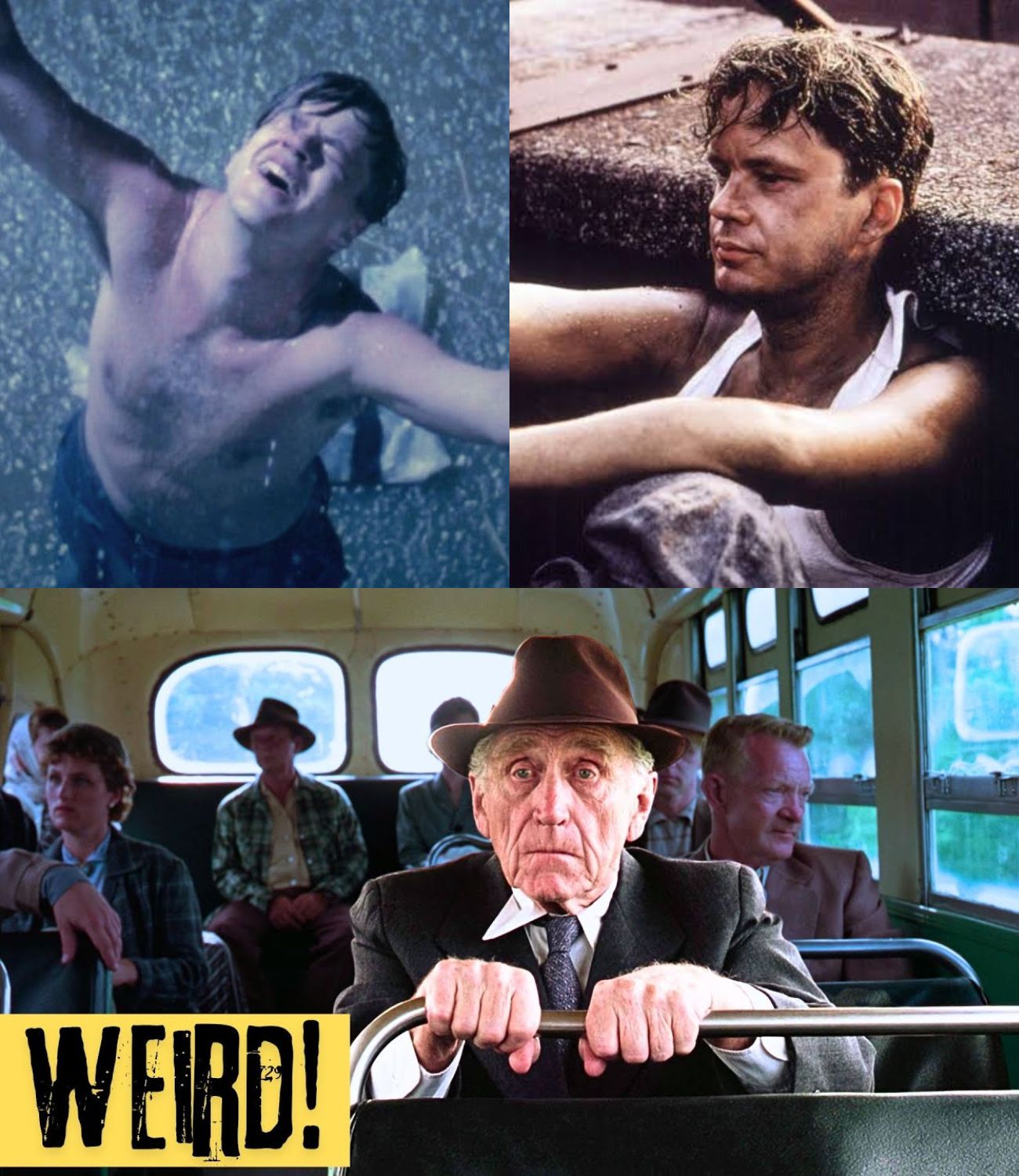
The Shawshank Redemption remains etched in cinematic history as one of the greatest films ever made. Released in 1994 and directed by Frank Darabont, this powerful prison drama follows Andy Dufresne, a banker wrongfully convicted of murdering his wife, as he navigates the brutal reality of Shawshank State Penitentiary. While millions of viewers worldwide know the emotional beats of Andy and Red’s enduring friendship, the production itself was riddled with bizarre occurrences, near-misses, and shocking secrets that even the most dedicated fans find hard to believe. Here are the most astonishing facts behind the making of a cinematic legend.
The Brutal Physical Toll of Simple Scenes One of the most memorable character moments in the film features Red casually tossing a baseball back and forth while conversing with Andy in the prison yard. What seemed like a casual, effortless exchange was actually a grueling endurance test for legendary actor Morgan Freeman. Freeman threw that baseball repeatedly for an astonishing nine hours straight. The relentless repetition resulted in such severe physical strain that Freeman arrived on set the very next day wearing his arm in a sling due to a severely sore shoulder.
Director’s Hands and Unpleasant Surprises When audiences watch close-up shots of Andy’s hands loading a revolver or painstakingly carving his name into the stone prison walls, they naturally assume they are watching Tim Robbins in action. However, director Frank Darabont intervened directly to maintain absolute visual precision. In those intense close-up shots, it is actually director Frank Darabont’s own hands performing the actions, ensuring every detail matched his exact creative vision.
Perhaps even more shocking is the iconic sewage pipe escape sequence. When Andy crawls through a long, filthy pipe toward freedom, the environmental conditions were far more authentic than viewers might expect. The sequence was filmed in a local creek that had been dammed up and filled with actual cow manure to accurately simulate raw sewage. Despite the overwhelmingly foul conditions, Tim Robbins committed fully to the role, performing the harrowing stunt himself.
A Near-Miss with Different Icons and Box Office Struggles The film’s iconic cast could have looked entirely different. Acclaimed director Rob Reiner expressed intense interest in directing the project himself, offering Frank Darabont a staggering $2.5 million for the script rights. Reiner envisioned an entirely different powerhouse duo for the leading roles, planning to cast Tom Cruise as Andy Dufresne and Harrison Ford as Red. Darabont ultimately declined the lucrative offer, choosing to direct the film himself to protect his creative vision.
Despite its eventual status as a beloved classic, the film initially suffered at the box office upon its 1994 theatrical release. Facing fierce competition from massive cultural juggernauts like Pulp Fiction and Forrest Gump, it underperformed financially. It wasn’t until heavy rotation on television broadcasts and soaring home video rentals that the film found its massive audience and achieved legendary status.
Authentic Backdrops and Family Cameos To capture the authentic decay and oppressive atmosphere of a maximum-security institution, production teams utilized the Ohio State Reformatory in Mansfield, Ohio, which was already scheduled for demolition. Filmmakers convinced local authorities to delay the demolition so they could utilize its striking, gothic architecture.
Eagle-eyed viewers can also spot a clever family cameo early in the film. Alfonso Freeman, the son of Morgan Freeman, makes a brief appearance among the incoming group of prisoners, shouting the energetic “Fresh fish!” jeers at the new arrivals. Furthermore, the youthful mugshots of Red displayed during his parole board hearings are actually photographs of Alfonso himself.
A Title Confusion and Altered Endings Before it became a household name, the original title—Rita Hayworth and Shawshank Redemption—caused unexpected headaches. Studio executives feared audiences would mistake the film for a biographical picture about the 1940s Hollywood icon. Casting agents even received calls from actresses genuinely hoping to audition for the non-existent role of Rita Hayworth, prompting producers to shorten the title.
Finally, Stephen King’s original written story concluded on a deliberately ambiguous note, leaving readers uncertain if Red ever successfully reunited with Andy in Mexico. Believing that cinema audiences deserved a deeply satisfying emotional payoff, the director added the iconic final scene on the sunny beach in Zihuatanejo, cementing one of the most heartwarming conclusions in movie history.

