The Dark Reality Behind The Adventures of Superman: On-Set Disasters, Career Regrets, and the Tragic Fate of George Reeves
The Dark Reality Behind The Adventures of Superman: On-Set Disasters, Career Regrets, and the Tragic Fate of George Reeves
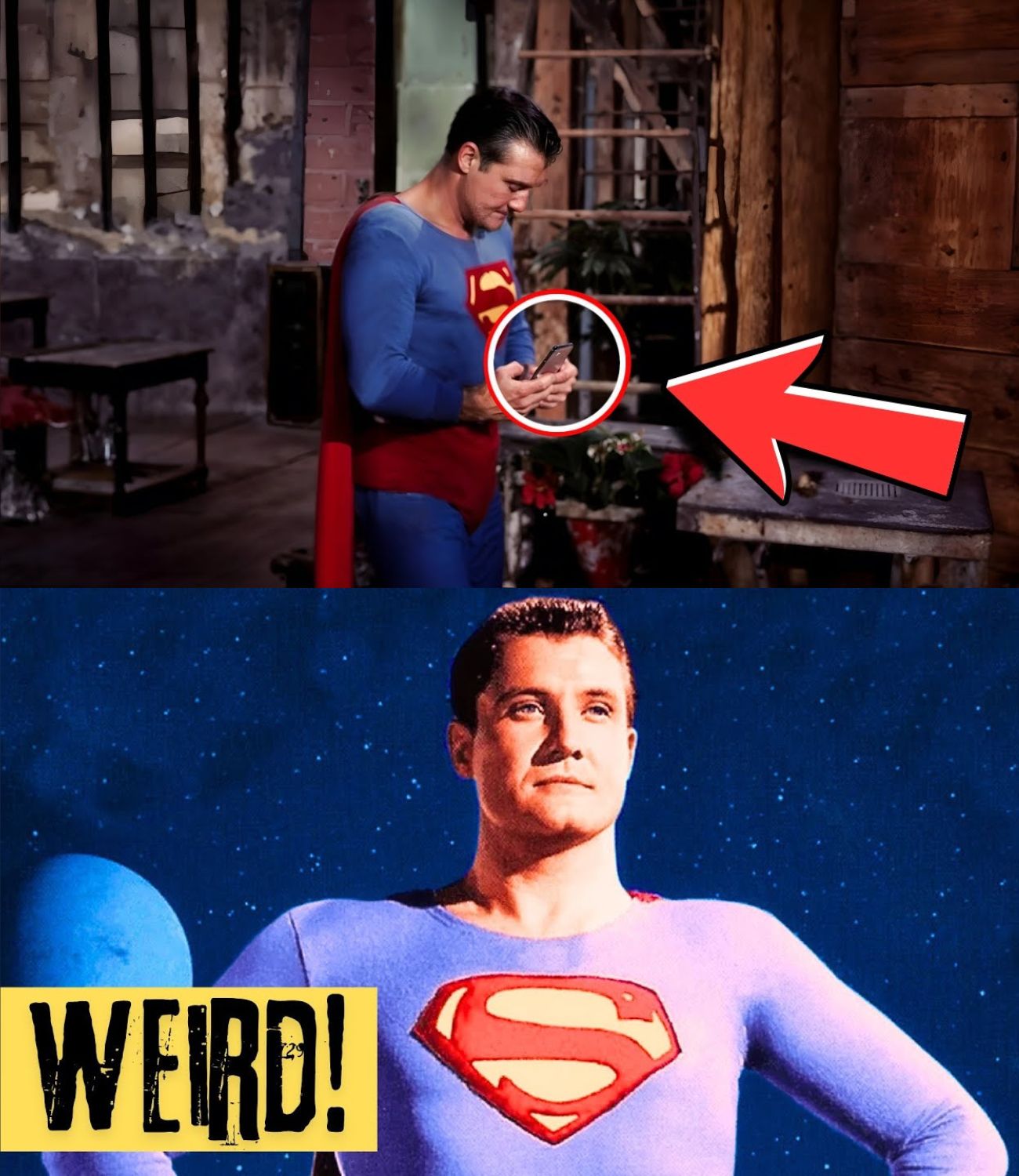
When The Adventures of Superman premiered on television in 1952, its instant popularity took the cast and crew completely by surprise. At the center of the phenomenon was 38-year-old lead actor George Reeves, whose portrayal of Clark Kent and the Man of Steel defined an era of superhero storytelling. However, beneath the heroic exterior and the inspiring cries of “look up in the sky,” a much darker and more complicated reality plagued the production and its star. Had it not been for his tragic passing in June 1959 at the age of 45, the landmark series might have continued far beyond its six-season run, leaving behind a legacy filled with bizarre production tricks, dangerous near-misses, and enduring Hollywood mysteries.
One of the most striking revelations about the classic series is that George Reeves never truly embraced his most famous role. Having previously secured parts in critically acclaimed cinematic projects like Gone with the Wind, Reeves viewed himself as a serious dramatic actor. Being cast as the Man of Steel typecast him heavily, making it nearly impossible for him to secure other professional acting opportunities. Reportedly lamenting his situation to a co-star with the stark phrase, “Well babe this is it, the Bottom of the Barrel,” Reeves spiraled into a deep depression as his career plateaued under the shadow of a cape.
The production itself did little to alleviate the stress, operating on a famously tight shoestring budget that demanded continuous cost-cutting measures. To streamline filming schedules and minimize expenses, actors wore identical costumes in every episode, allowing entire blocks of scenes at the Daily Planet office to be shot out of sequence in large batches. Observant viewers who pay close attention can notice that Clark Kent and Lois Lane essentially share the same office space, with minor adjustments made to decorations and desk nameplates to create the illusion of different rooms.
Bringing the illusion of flight to television screens with a limited budget presented an immense technical hurdle. The initial solution involved suspending George Reeves using overhead wires, a decision that proved hazardous when a wire suddenly snapped. Reeves plummeted directly to the studio floor, and though he miraculously escaped major injury, the terrifying ordeal caused him to refuse any further wire suspensions. From that point onward, all dangerous wire work was strictly handled by stuntmen. To film Reeves’s flying sequences without risk, the production team devised a flat body support platform where the actor lay horizontally while a moving sky background was superimposed behind him. Many of these flying shots were frequently recycled throughout the run of the series.
To achieve proper tonal contrast in monochromatic television broadcasts, the physical costume required a complete redesign. Rather than utilizing the traditional bright primary colors of red, blue, and yellow, the television suit was tailored in muted tones of brown, white, and gray. These shades registered much more effectively on black-and-white television sets, ensuring that the emblem’s contrast and suit details remained sharp for home viewers.
The production’s footprint extended to iconic historical locations, with the first season filmed in 1951 at RKO Studios in Culver City, California. Many exterior sequences utilized the RKO Pictures 40-acre backlot, a versatile outdoor space that later doubled as the quaint town of Mayberry in The Andy Griffith Show and various alien landscapes in Star Trek.
Merchandising also brought unforeseen hazards. As Superman gear soared in popularity during the 1950s, toy capes became massive best-sellers. Tragically, children attempting to emulate their hero began leaping from high places believing they could genuinely fly. Deeply alarmed by the rising accident reports, George Reeves personally intervened and urged manufacturers to halt the sale of the costume capes to prevent further injuries.
Financial backing came from unexpected corporate partnerships, notably Kellogg stepping in as the primary sponsor in 1952. As part of the promotional agreement, cast members appeared in live-action cereal commercials alongside the episodes. However, strange broadcast standards of the era prohibited Superman from participating in the breakfast commercials, and Lois Lane was similarly excluded because the network considered the idea of her sharing breakfast with Clark to be far too suggestive for conservative audiences.
The sudden end of the show following Reeves’s death sparked desperate recovery attempts by producers. One grim proposal involved shifting focus to Jimmy Olsen for a spin-off titled Superman’s Pal Jimmy Olsen, which would have recycled old footage of Reeves alongside stand-ins. Actor Jack Larson swiftly rejected the unsettling concept, declaring the show finished. Similarly, a 1961 attempt to launch The Adventures of Super Boy featuring Johnny Rockwell as a teenage Clark Kent produced a completed pilot and twelve scripts, but failed to secure a network pickup.
On June 16, 1959, George Reeves was found dead in his Benedict Canyon home from a gunshot wound to the head. Although authorities officially ruled his death a suicide, intense speculation surrounding potential foul play persisted for decades among fans and investigators, pointing toward complex relationships with his fiancée Leonor Lemon and former partner Tony Manx.
Even legendary fictional elements of the Superman mythos originated from unexpected behind-the-scenes necessity rather than comic book lore. Kryptonite was invented during the Superman radio show when lead actor Bud Collier needed a sudden vacation. Writers crafted a radioactive green rock that would incapacitate the hero for a full week, allowing another voice actor to fill in with groans and grunts. What began as a temporary scheduling workaround transformed into the Man of Steel’s most famous and permanent vulnerability, cementing a weird piece of broadcast history into pop culture forever.

