The Dark Reality Behind One Day at a Time: The Censorship, Feuds, and Tragic Crises That Nearly Destroyed the 70s Sitcom
The Dark Reality Behind One Day at a Time: The Censorship, Feuds, and Tragic Crises That Nearly Destroyed the 70s Sitcom
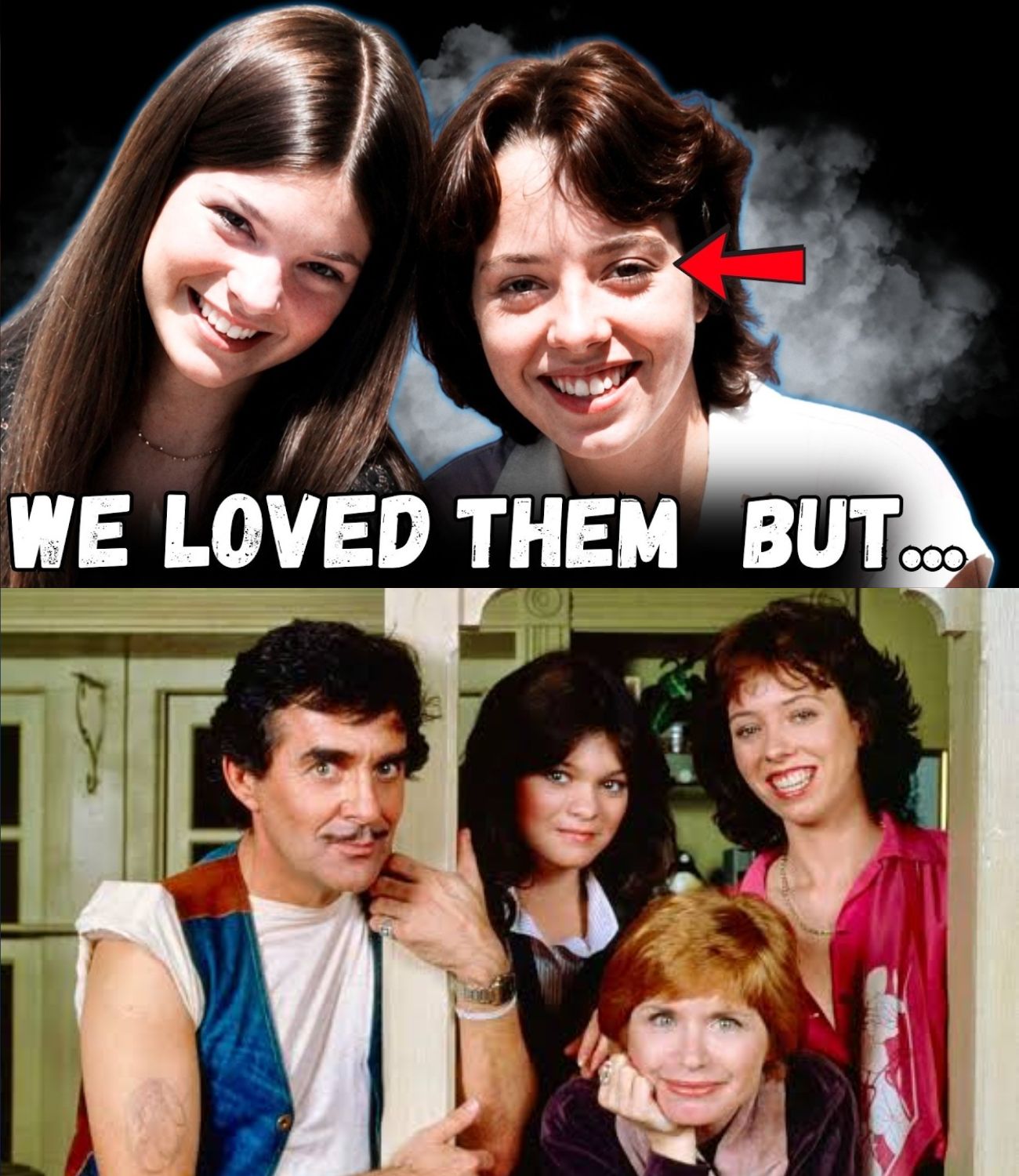
The television landscape of the 1970s was forever altered when legendary producer Norman Lear introduced a sitcom centered on a divorced single mother raising her two daughters. Running on CBS from 1975 to 1984, One Day at a Time turned ordinary domestic struggles into a platform for groundbreaking social commentary, establishing an unlikely feminist icon in the process. However, beneath the polished exterior of laughter and family values lay a turbulent history of failed pilots, intense creative clashes, sudden character vanishings, and severe personal crises that threatened to tear the production apart.
Long before the show became a household name, its concept looked entirely different. The original pilot, titled Three to Get Ready, was set in a hospital, featured Anne working as a nurse, and included only one daughter. When network testing proved unfavorable, Lear scrapped the medical premise entirely, introduced a second daughter, and built the foundation of the classic series from scratch. Remarkably, only one element survived the overhaul: Pat Harrington Jr., who had already been cast as the eccentric building superintendent, Schneider, a character no one could imagine replacing.
Even after securing its place on the network schedule, the production faced immediate internal mutiny. During the first season, lead actress Bonnie Franklin and co-star Pat Harrington later admitted that the initial scripts were exceptionally weak. Frustration reached such a boiling point that Franklin reportedly threatened to quit outright if the writing did not improve before the season concluded. Fortunately, the writing evolved, allowing the series to span nine seasons and 209 episodes, but the backstage environment remained volatile.
Creative friction wasn’t limited to script quality; it frequently targeted the cast itself. Richard Masur, who portrayed Anne’s lawyer and romantic interest David through the first season and early second season, simply vanished from the show without warning. No breakup episode, goodbye scene, or line of dialogue acknowledged his departure. A similar fate befell actress Mary Louise Wilson, who joined the cast as neighbor Ginny Roblicki. Reports from the set indicated she began drawing heavy focus in her scenes, causing friction with main cast members. Just like David, Ginny disappeared entirely from the narrative without a trace or explanation given to the audience.
The most severe blow to the series, however, came from off-camera struggles that mirrored the harsh realities of life. McKenzie Phillips, who had signed on at just sixteen years old after a direct call from Norman Lear, became a breakout star as Julie Romano. By the fifth season, her mounting substance abuse issues made it impossible for the production to continue working around her, resulting in her high-profile dismissal. While she later returned in a recurring capacity, the disruption to the middle seasons left a permanent scar on the cast.
Adding a haunting layer of irony to the show was its very title. Chosen initially in 1975 as an optimistic metaphor for starting life over after a divorce, the phrase “one day at a time” is famously central to Alcoholics Anonymous recovery language. As Phillips’s real-life battles became public knowledge, the title took on a much heavier, sobering double meaning for those aware of the chaos unfolding behind the scenes. Despite these profound trials, the series endured, eventually inspiring a critically acclaimed 2017 Netflix reboot with a Latino cast, proving that the core themes crafted by Norman Lear possessed a timeless resilience.

