The Dark Reality Behind A Clockwork Orange: 15 Shocking Facts From Set That Will Ruin Your View of the Masterpiece
The Dark Reality Behind A Clockwork Orange: 15 Shocking Facts From Set That Will Ruin Your View of the Masterpiece
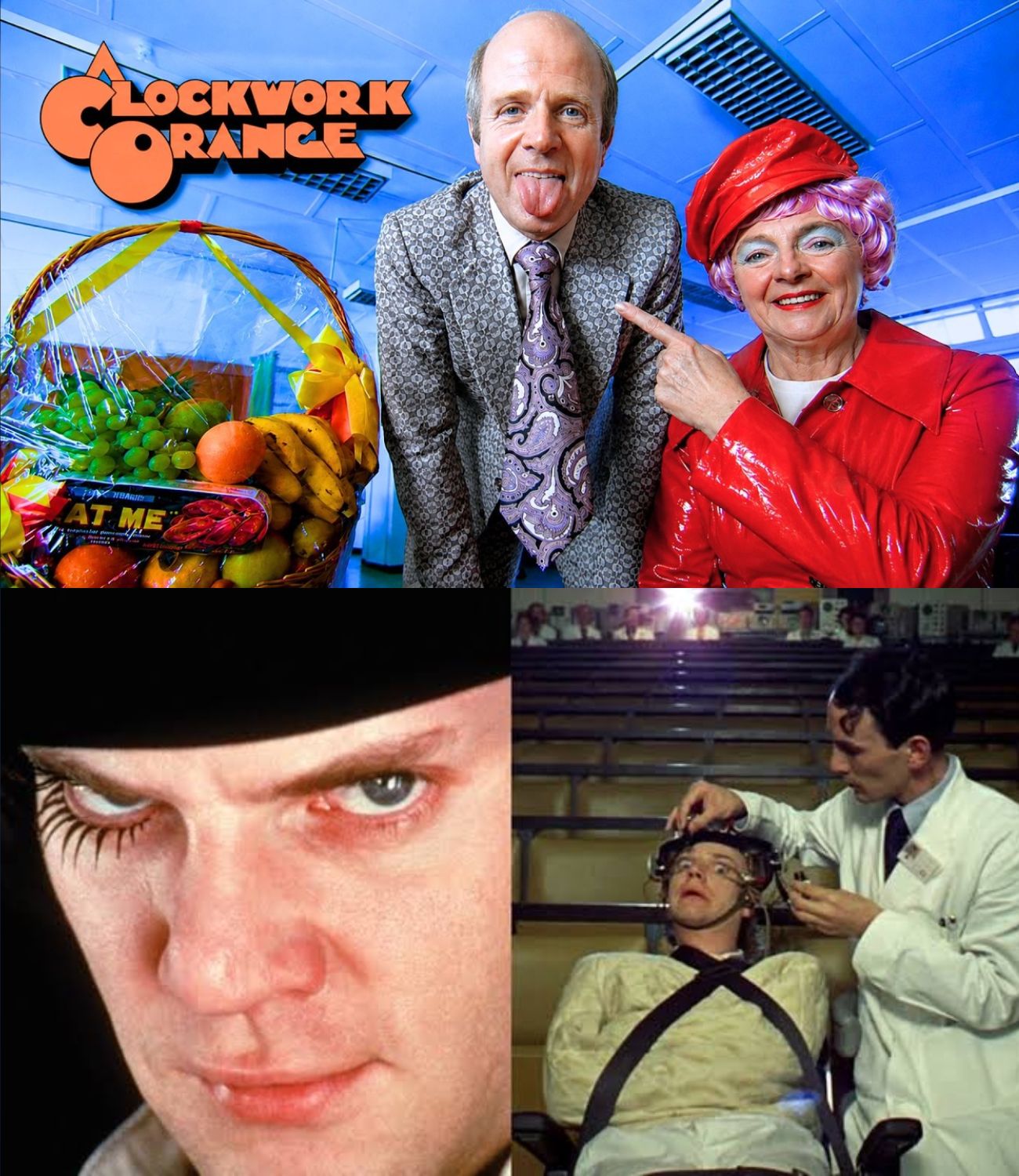
When Stanley Kubrick unleashed A Clockwork Orange upon the world in 1971, it instantly shocked audiences with its raw violence, surreal style, and unforgettable visual imagery. Decades later, the film remains a towering and controversial achievement in cinema history. However, the chaos, psychological torment, and strange occurrences that happened behind the camera are even more astonishing than what ended up on screen. From terrifying physical injuries suffered by the cast to bizarre casting near-misses and secret creative choices, here is a deep dive into the shocking reality of how one of film history’s most notorious masterpieces was made.
1. The Deeper Meaning of the Title
The title A Clockwork Orange suggests the unnatural transformation of something organic, living, and free into a cold, mechanical object. This central metaphor reflects the fate of the protagonist, Alex, whose violent impulses are treated through brutal conditioning that attempts to reprogram his very humanity. By forcing morality through mechanical control, the system strips away free will, turning the enforcers into the true villains of the narrative.
2. An Exhausting Ordeal for Adrienne Cory
Playing Mrs. Alexander, the writer’s wife, proved to be an overwhelming challenge. Two actresses reportedly quit before filming even began due to the grueling demands. Adrienne Cory ultimately stepped into the role, enduring four brutal days of shooting where Kubrick demanded dozens of takes, sometimes reaching up to 39 repetitions. Although exhausting and humiliating, Cory later expressed that she took the part purely out of admiration for Kubrick’s legendary artistry.
3. A Cheeky Christmas Gesture
Despite the intense psychological toll of her role—which required her to spend most of her screen time completely nude except for a pair of bright red socks—Adrienne Cory maintained a sense of humor. As a playful holiday prank, she gifted Kubrick an identical pair of bright red socks. Kubrick reportedly appreciated the gesture with a hearty laugh, proving that moments of levity could occasionally survive his demanding direction.
4. Casting Discrepancies and Malcolm McDowell’s Age
In Anthony Burgess’s original novel, the character of Alex is just 15 years old, making his calculated acts of terror even more chilling. By contrast, Malcolm McDowell was 27 years old when he took on the role—nearly twice the character’s age. Despite the significant age gap, McDowell’s undeniable energy and mischievous screen presence convinced Kubrick that he was the only actor who could embody Alex.
5. Rock Legends Almost Stole the Lead
Before Kubrick took full creative control of the adaptation, several wild casting ideas circulated through Hollywood. Mick Jagger of the Rolling Stones was once seriously considered to play Alex, with the rest of the band slotted in to play his gang of droogs. Even stranger, rumors persisted that the Beatles were at one point attached to the project, with writer Terry Southern even drafting an early screenplay for them.
6. Improvised Droog Fashion
The iconic, highly stylized droog costumes did not come from a meticulous high-fashion wardrobe department. Instead, they originated directly from Malcolm McDowell’s personal closet. McDowell brought his cricket whites and a protective athletic cup to rehearsals simply to try out. Kubrick became instantly fascinated by the look, instructing McDowell to wear the athletic cup on the outside of his pants, creating one of the most bizarre and unforgettable costume choices in movie history.
7. The Accidental Trademark Eyelash
During costume tests, McDowell casually pitched the idea of wearing false eyelashes on just one eye as a playful joke. Kubrick loved the eccentric visual so much that he insisted McDowell wear it throughout filming. That single false eyelash quickly transformed into one of the most recognizable and eerie visual markers of the character.
8. Real Danger in the Underwater Sequence
In one tense sequence, Alex’s head is forced underwater for a prolonged duration. Rejecting camera tricks, cuts, or stunt doubles, Kubrick insisted on filming the entire sequence in one unbroken shot. McDowell had to hold his breath for nearly a full minute while the camera rolled, showcasing Kubrick’s relentless drive for absolute realism at the expense of his actors’ physical comfort.
9. Temporary Blindness During the Ludovico Technique
The infamous Ludovico technique scenes rank among the most harrowing moments in cinema, and McDowell suffered terribly to bring them to life. His eyes were clamped open using real medical specula while a technician administered eye drops to prevent them from drying out. During these intense takes, McDowell’s cornea was severely scratched, leaving him temporarily blinded.
10. A Cracked Rib on Stage
During the scene where Alex is publicly paraded on stage to demonstrate the “success” of his rehabilitation, McDowell faced real physical assault. A fellow stage actor stomped on him so violently during a take that McDowell actually cracked a rib. Kubrick demanded that they continue shooting until he felt the take was right, leaving McDowell to push through real physical agony to portray a character completely broken by the state.
11. A Much Darker Ending
Anthony Burgess’s original novel concluded on a relatively hopeful note, showing Alex finally growing up and naturally losing his appetite for senseless violence. However, Kubrick deliberately chose to omit this final chapter. Instead, he ended the film with Alex fantasizing about violence once again, leaving global audiences with a devastatingly bleak and cynical conclusion.
12. The Birth of “Singing in the Rain”
The home invasion sequence remains one of the most deeply unsettling scenes in the movie, but its defining moment was entirely unscripted. Kubrick simply asked McDowell to dance around the set, and the actor spontaneously began singing and tapping to Singing in the Rain. Kubrick fell in love with the chilling juxtaposition and immediately purchased the rights to the song on the spot.
13. A Daring Leap with a Rolling Camera
For Alex’s dramatic, high-flying leap from a building window, Kubrick refused to rely on standard stunt setups. He engineered a custom rig to drop a heavy camera from the exact same height to capture the fall directly from Alex’s dizzying point of view. Miraculously, the heavy camera survived six terrifying drops without shattering, delivering one of the most visceral point-of-view shots of the era.
14. Author Betrayal and Backlash
Initially, author Anthony Burgess strongly supported Kubrick’s film adaptation, praising its cinematic brilliance. However, when public critics and politicians began blaming the movie for inspiring copycat violence in the real world, Kubrick remained completely silent, leaving Burgess to handle the entire media backlash alone. Adding to his bitterness, Burgess later revealed he received a paltry $500 for the initial film rights while the movie generated millions.
15. The Recurring Easter Egg: Serum 114
When Alex is injected during his conditioning, he receives “serum 114,” but this designation was no accident. It served as a signature inside joke for Kubrick. Echoing the CRM-114 radio device from Dr. Strangelove and similar hidden codes slipped into Eyes Wide Shut and Full Metal Jacket, the number serves as a quiet personal Easter egg linking Kubrick’s legendary filmography together.

