The Dark, Bitter Truth Behind SCTV’s Accidental Masterpiece: How Bob and Doug McKenzie Were Created Out of Pure Spite
The Dark, Bitter Truth Behind SCTV’s Accidental Masterpiece: How Bob and Doug McKenzie Were Created Out of Pure Spite
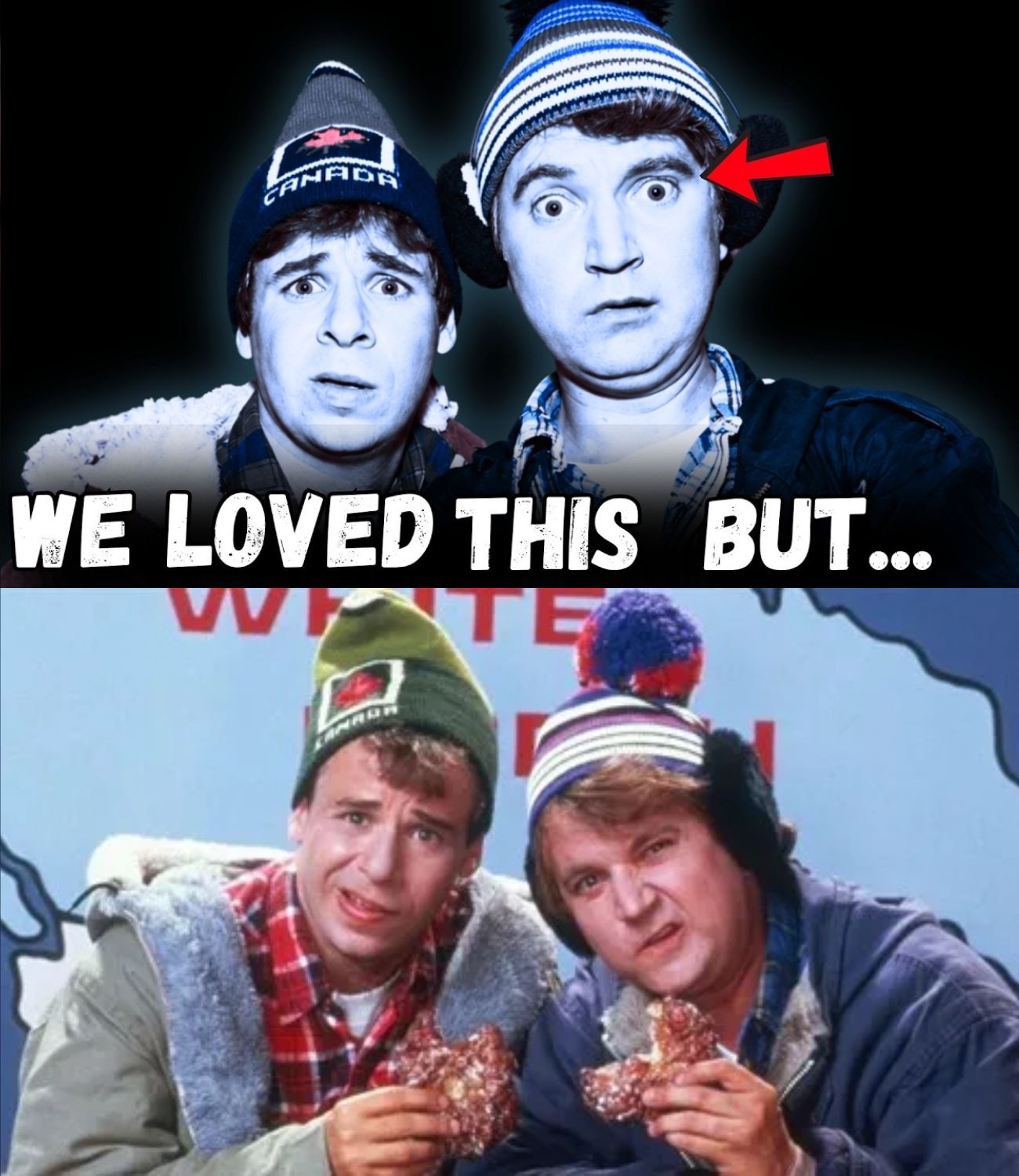
The history of television is littered with accidental hits, but few can rival the bizarre, cynical, and utterly chaotic origin of the “Great White North” sketches featuring Bob and Doug McKenzie. Played brilliantly by comedy icons Rick Moranis and Dave Thomas, the beer-drinking, toque-wearing brothers started out not as a stroke of creative genius, but as a malicious weapon of compliance used to fight back against oppressive network rules. What followed was a wild trajectory of unexpected fame, deep-seated professional jealousy, studio sabotage, and a cultural legacy that changed Canadian comedy forever.
To understand how Bob and Doug came to be, one must look back at the rigid television landscape of late-1970s and early-1980s broadcasting. The Canadian Radio-television and Telecommunications Commission (CRTC) enforced strict regulations requiring a specific percentage of broadcast content to be genuinely Canadian. For the creators and cast members of SCTV (Second City Television)—many of whom were Canadian but working within an increasingly American-financed production structure—these rules often felt like an administrative straitjacket. Network executives came down hard, demanding that the show incorporate more explicit Canadian filler to satisfy the legal mandate.
Faced with what they perceived as heavy-handed bureaucratic meddling, Rick Moranis and Dave Thomas decided to maliciously comply. Their strategy was simple: create the most aggressively stereotypical, painfully cliché, down-market Canadian characters imaginable. They figured that if the network wanted Canadian content, they would feed them an exaggerated caricature so absurd, so gratingly low-brow, that the executives would reject it in horror and back off forever.
Donning heavy woolen toques, holding perpetual bottles of Elsinore beer, and spouting endless variations of “eh,” Bob and Doug McKenzie were born. They improvised cheap, low-effort banter about back bacon, snow, and hockey, sitting in front of a folding table in a mock studio space. It was designed to fail. It was meant to be an insulting middle finger to the suits upstairs.
Yet, in one of the most stunning ironies in television history, the network executives loved it. Not only did they love it, but audiences across Canada and eventually the United States went absolutely wild for it. What was intended as a one-off satirical protest exploded into a massive cultural phenomenon. The sketches quickly became the most talked-about segment of SCTV, spawning hit comedy albums, merchandising, a feature film, and catchphrases that permeated everyday pop culture.
However, this massive, unpredicted success came at a steep price. Behind the scenes, the sudden dominance of Bob and Doug created significant friction within the tight-knit SCTV cast and crew. While Moranis and Thomas found themselves thrust into international superstardom, tensions mounted regarding ownership, creative direction, and the overshadowing of the show’s core sketch comedy format. The bitter irony that their most famous creation was born out of contempt added a strange psychological weight to their sudden fame.
As the years rolled on, the legacy of the Great White North evolved from a rebellious prank into a celebrated touchstone of comedy history. Yet, the story remains a fascinating cautionary tale about the unpredictable nature of art and commerce. It proves that sometimes, when creators are pushed to their absolute limits by corporate interference, the raw, unfiltered rebellion they unleash can outgrow them entirely—transforming a deliberate act of sabotage into an immortal piece of entertainment history.

