The Dark and Untold Secrets Hidden Inside Martin Scorsese’s Taxi Driver
The Dark and Untold Secrets Hidden Inside Martin Scorsese’s Taxi Driver
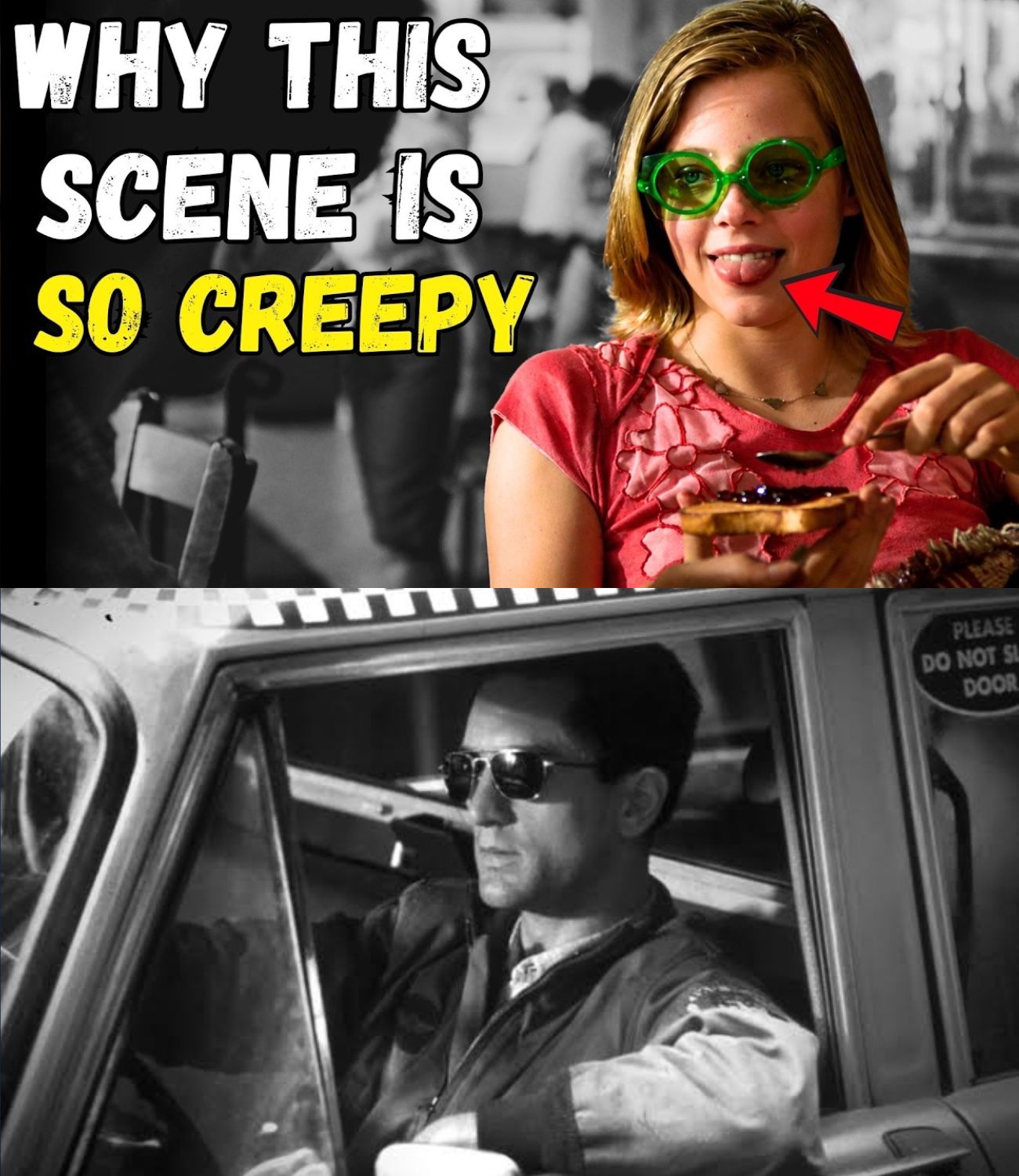
Released in 1976, Martin Scorsese’s Taxi Driver[cite: 1] stands as an enduring cinematic monument to urban alienation, mental illness, and psychological unraveling[cite: 1]. Starring Robert De Niro as the troubled ex-Marine Travis Bickle[cite: 1], the film captures the bleak, grimy underbelly of mid-1970s New York City[cite: 1]. Yet, beneath its celebrated surface lies a labyrinth of dark production turmoil, improvised genius, and eerie real-life parallels that many viewers have entirely missed[cite: 1].
1. A Script Born From a Real-Life Nervous Breakdown
The foundation of the film was intensely personal. Writer Paul Schrader conceived the script during a period of profound personal crisis[cite: 1]. Following a painful divorce, the loss of his job, and a breakup within a remarkably short span, Schrader suffered a severe nervous breakdown[cite: 1]. He retreated into total isolation, speaking to almost no one for months, becoming dangerously fixated on firearms, and spending his days wandering X-rated movie theaters[cite: 1]. This harrowing psychological collapse directly birthed the character of Travis Bickle.
2. The Birth of “You Talking to Me?”
One of cinema’s most iconic lines was never actually in the script[cite: 1]. Robert De Niro entirely improvised the legendary paranoid monologue where Travis challenges his own reflection in the mirror[cite: 1]. De Niro caught the phrase just days earlier while watching musician Bruce Springsteen perform in Greenwich Village, where Springsteen jokingly fired the line back at a fan calling his name[cite: 1].
3. Jodie Foster’s Underage Controversy and Body Double
Casting a young Jodie Foster as the underage streetwalker Iris was a lightning rod for controversy[cite: 1]. Because Foster was a minor during production, studio regulations mandated that a social worker remain present on set at all times[cite: 1]. She also underwent extensive sessions with a therapist to ensure the role would cause no lasting psychological damage[cite: 1]. For the film’s more provocative moments, a stand-in was deployed: Foster’s older sister Connie, who matched her height[cite: 1].
4. The Real-Life Inspiration for Iris
To ground the character of Iris in reality, Paul Schrader interviewed a real-life teenage streetwalker named G. Avery[cite: 1]. Schrader arranged a meeting between Avery and Jodie Foster, though Foster later recalled that the two girls sat in near-total silence with nothing to say to each other[cite: 1]. Nevertheless, Avery secured a brief walk-on cameo in the film as Iris’s friend, whom Travis nearly strikes with his cab[cite: 1].
5. Scorsese’s Panning Camera and Isolation
Director Martin Scorsese has frequently noted that the film’s most crucial visual choice occurs when Travis awkwardly attempts to ask Betsy out on the phone again[cite: 1]. As the conversation fails, the camera slowly drifts away, panning down an empty, desolate hallway[cite: 1]. This deliberate framing visually communicates that Travis’s isolation is too painful and agonizing for the audience to witness directly[cite: 1].
6. Scorsese Steps In as a Deranged Passenger
The unforgettable scene featuring an unhinged passenger detailing his desire to murder his unfaithful wife was originally written for actor George Memmoli[cite: 1]. However, after Memmoli suffered a back injury on another project, Scorsese unexpectedly stepped into the role himself[cite: 1]. Scorsese later joked that having De Niro seated in the driver’s seat turned the legendary actor into his personal on-set acting coach[cite: 1].
7. New York’s Actual Garbage Crisis
While New York City’s notorious filth in the 1970s[cite: 1] served as a thematic mirror for Travis’s deteriorating mental state, the grime during the 1975 summer shoot was entirely authentic[cite: 1]. A crippling municipal sanitation strike left massive heaps of rotting garbage piled high across the city’s sidewalks and streets[cite: 1].
8. De Niro’s Secret Life as a Real Cab Driver
To fully embody his character, Robert De Niro secured a legitimate New York City cab driver’s license and worked real late-night shifts in early 1975[cite: 1]. During one of his fares, a stunned passenger recognized him from The Godfather Part II and incredulously asked how an Oscar-winning actor could possibly find himself struggling for work behind the wheel of a yellow cab[cite: 1].
9. Harvey Keitel and the Real-Life Pimp
Scorsese originally envisioned De Niro’s Mean Streets co-star Harvey Keitel for the role of the campaign worker Tom[cite: 1]. Instead, Keitel lobbied aggressively for the darker, smaller role of Sport the pimp[cite: 1]. To ensure authenticity, Keitel introduced a real pimp he knew from Hell’s Kitchen to the Actors Studio, where the two heavily improvised and shaped Sport’s dialogue[cite: 1].
10. The Hidden Symbolism of the King Kong Patch
Travis’s signature olive drab army jacket features a prominent King Kong patch on the sleeve[cite: 1]. According to Scorsese, this patch is a direct nod to the 1933 classic King Kong, symbolizing a misunderstood, violent giant attempting to rescue a damsel in distress—foreshadowing Travis’s own deeply misguided attempt to save Iris[cite: 1].
Bonus Fact: The Macabre Diner Detail
During an agonizingly awkward lunch date where Betsy and Travis share coffee and pie, Travis orders a slice of hot apple pie topped with melted yellow cheese[cite: 1]. In a chilling real-life parallel, when notorious Wisconsin serial killer Ed Gein was finally apprehended, he agreed to provide a full confession under only one strange condition: that police bring him a piece of hot apple pie with melted yellow cheese on top[cite: 1].

