The Dark and Bizarre Truth Behind the Making of Revenge of the Nerds
The Dark and Bizarre Truth Behind the Making of Revenge of the Nerds
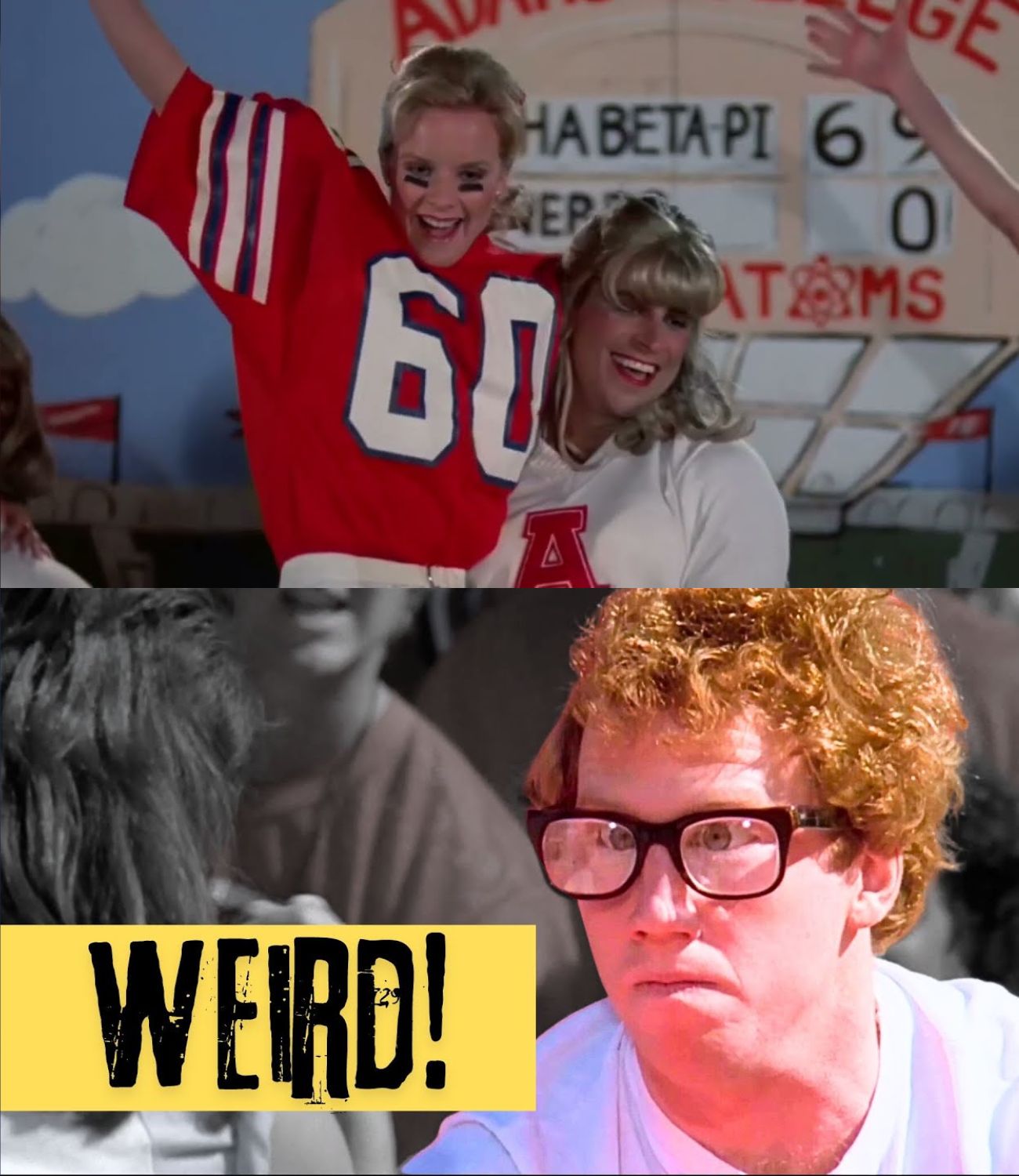
Released in 1984, Revenge of the Nerds cemented its status as an enduring cult classic comedy, capturing the hearts of audiences worldwide with its classic underdog narrative. However, the journey to the silver screen was fraught with reluctance, creative friction, and bizarre real-life anomalies that transformed an unwanted project into cinematic history.
At the inception of the project, the primary cast members were deeply resistant to participating. Robert Carradine, who portrayed the iconic Lewis Skolnick, candidly approached the director early in production expressing complete bewilderment about his presence on set, stating he felt like someone who would traditionally bully nerds rather than portray one. This initial hesitation was shared across the ensemble, who worried the film’s provocative title would spell career suicide.
Character development often stemmed from unexpected places. Robert Carradine noted that Lewis’s signature “goose honk” laugh was initially undefined in the script. The breakthrough occurred during the shooting of the opening sequence where James Cromwell, playing the father, delivered the distinctive laugh, which Carradine immediately replicated. Cromwell later made the startling realization while driving home from the studio that the cadence and pitch of the iconic nerd laugh were modeled entirely after his own ex-wife’s laugh.
Physical comedy and authentic props also created unique onset challenges. Timothy Busfield, cast as “Poindexter,” required a physical guide during walking scenes because his prop glasses featured lenses so thick they rendered him genuinely visually impaired. Similarly, Curtis Armstrong—immortalized as “Booger”—initially fought bitterly against the character’s signature crude habits, declaring to friends that he refused to pick his nose on camera. Interestingly, the character of Booger was modeled directly after a real-life acquaintance of the producer notorious for wiping bodily residues onto cardboard boxes.
Sound engineering and special effects reached bizarre extremes during post-production. The infamous “Booger Monster” belch sequences did not utilize standard human audio elements; instead, sound designers blended human burps with animal vocalizations, specifically incorporating recordings of a camel at the peak of its climax, a creative choice that remains an infamous piece of trivia.
Furthermore, the production served as a critical launchpad for future Hollywood heavyweights. Anthony Edwards parlayed his success into major roles in blockbuster features like Top Gun and critically acclaimed television dramas, while legendary actor John Goodman anchored the supporting cast as Coach Harris. Hidden script revisions also revealed that Stan Gable, played by Ted McGinley, was originally slated to experience a character arc culminating in a closeted nerd revelation, though the scene was ultimately left on the cutting room floor.

