The Dark and Bizarre Truth Behind 1960s Pop Culture: Unbelievable Secrets You Never Knew About The Monkees
The Dark and Bizarre Truth Behind 1960s Pop Culture: Unbelievable Secrets You Never Knew About The Monkees
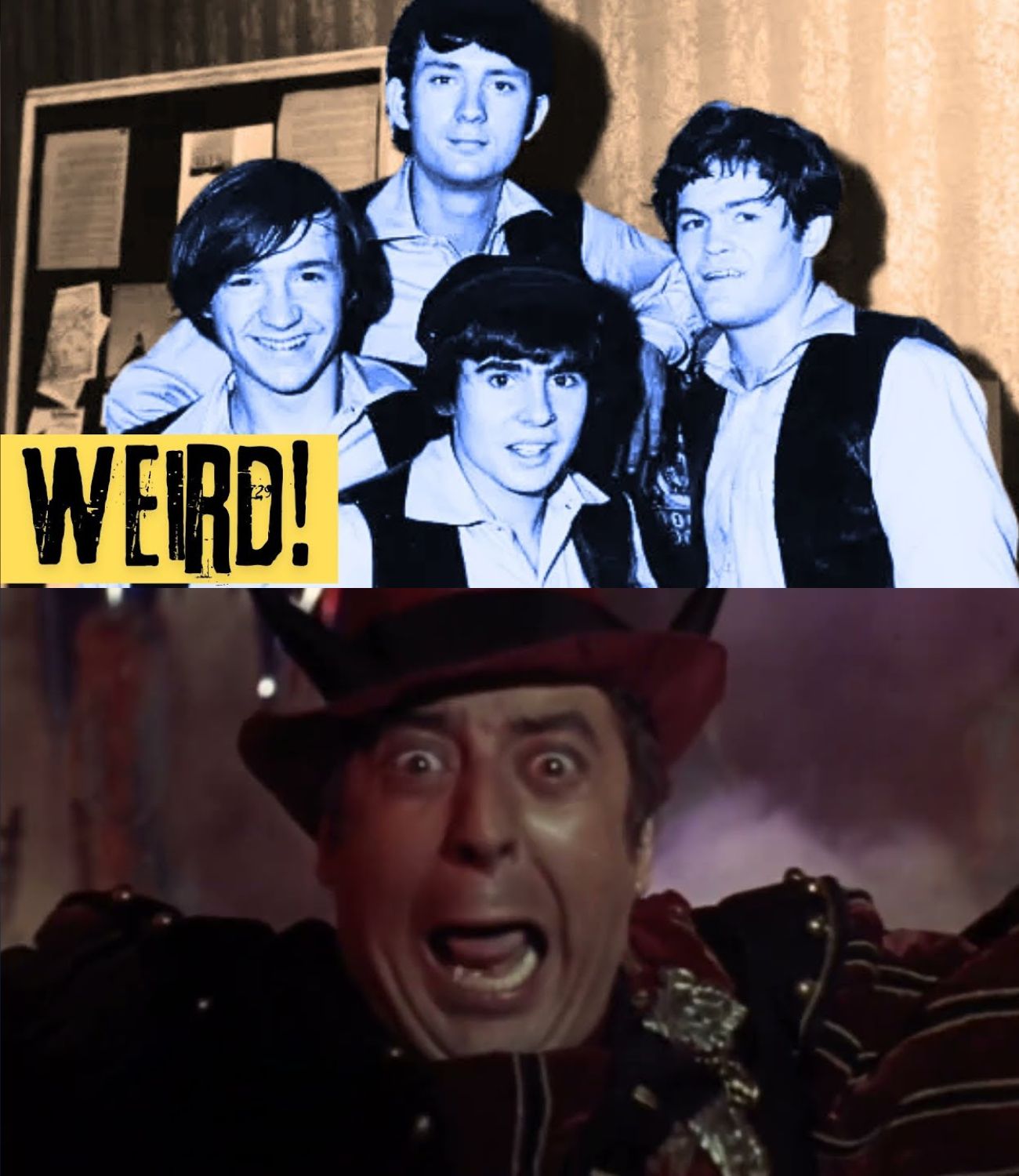
The 1960s television landscape was dominated by glossy, carefully curated entertainment designed to offer American households an escape into wholesome, lighthearted fun. Among the most successful products of this era was the hit television series featuring The Monkees, a show that captured the hearts of millions with its fast-paced comedy, catchy pop anthems, and lovable, slapstick charm. Created as a television experiment to mimic the overwhelming cinematic and musical success of groups like The Beatles, the band quickly skyrocketed to international superstardom. However, beneath the bright studio lights, colorful outfits, and infectious laughter lay a labyrinth of bizarre rules, fierce creative struggles, and shocking historical anomalies that have largely been forgotten by mainstream history.
When the creators first assembled Davy Jones, Micky Dolenz, Michael Nesmith, and Peter Tork, they were looking for actors who could play musicians rather than an established band seeking a television deal. This foundational concept created an immediate friction between the young performers and the powerful producers who held their contracts. While the public viewed them as carefree youngsters living out a rock and roll dream, the reality was a grueling production schedule that left the members exhausted and heavily restricted. Producers maintained tight control over every aspect of their public image, dictating what they could wear, say, and even play. Despite these constraints, the members possessed a sharp wit and a rebellious streak that frequently bubbled over into their work, resulting in surreal, fourth-wall-breaking episodes that pushed the boundaries of 1960s network television.
One of the most astonishing aspects of their history involves the intense battle for musical autonomy. Initially barred from playing their own instruments or writing their own songs by industry heavyweights like Don Kirshner, the group launched a quiet yet fierce rebellion. They fought tirelessly behind the scenes, staging walkouts, arguing with executives, and demanding the right to record their own material. This clash between corporate manufacturing and genuine artistic expression culminated in a bitter public separation from their original production team, marking a rare moment in television history where a manufactured entity successfully wrestled control away from its corporate creators.
Beyond their musical battles, the series itself was a hotbed of bizarre occurrences and countercultural subversion. Directors and writers often used the anarchic, free-flowing style of the show to sneak in satirical commentary, obscure pop culture references, and surrealist humor that baffled conservative network censors. Guest stars ranged from underground counterculture icons to mainstream actors who often looked completely bewildered by the chaotic energy on set. Furthermore, the band’s interactions with real-world musical legends—including Jimi Hendrix, who opened for them on a famously disastrous tour filled with conservative audiences who had no idea what to make of his psychedelic performance—highlighted the surreal cultural collision of the decade.
Decades later, the legacy of The Monkees remains a fascinating study in the mechanics of pop stardom, media manipulation, and the enduring power of raw talent breaking through corporate molds. While the innocence of the 1960s screen projected a simple era of musical joy, the true history is a complex tapestry of rebellion, innovation, and astonishing behind-the-scenes drama that continues to captivate pop culture enthusiasts today.

