10 Shocking Behind-The-Scenes Secrets You Never Knew About Escape From New York
10 Shocking Behind-The-Scenes Secrets You Never Knew About Escape From New York
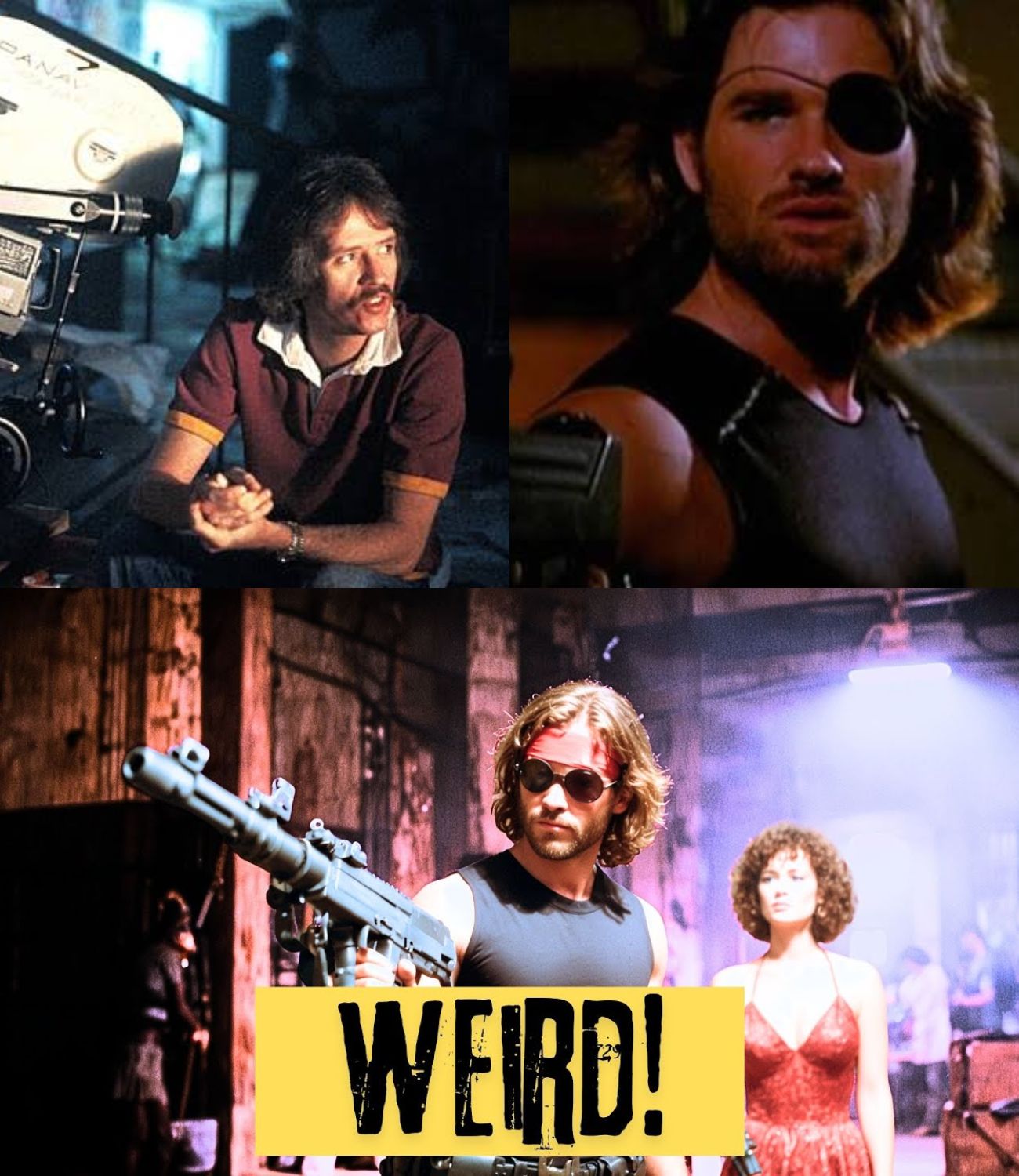
When Escape From New York premiered on July 10, 1981, it instantly cemented its status as a sci-fi action classic. Starring Kurt Russell, Lee Van Cleef, and Ernest Borgnine, the film painted a gritty, dystopian portrait of Manhattan transformed into a maximum-security prison. However, the chaotic reality behind the camera was far wilder than anything depicted on screen. From accidental public panics to dangerous close calls with real weapons, here are the most bizarre and shocking secrets behind the making of a legend.
1. The City That Wasn’t There
Though the entire premise revolves around a desolate, cordoned-off New York City, the production crew actually filmed very few exterior shots in the Big Apple itself—primarily capturing only the Statue of Liberty. Instead, St. Louis and Los Angeles stood in for New York for the majority of the film. The exterior of Brain’s hideout was shot at the Civil Courts Building in St. Louis, while interior sequences were brought to life inside the library at the University of Southern California.
2. Presidential Heritage on Air Force One
Eagle-eyed viewers might recognize a familiar face among the Secret Service detail aboard Air Force One in the film’s opening sequence. The tall, blonde agent was portrayed by Steven Ford—none other than the son of Gerald Ford, the 38th President of the United States.
3. A Presidential Helicopter Loan and a Lifelong Obsession
The menacing helicopters utilized by the United States police force in the film were actually on loan from the National Guard. While actor Lee Van Cleef famously disliked helicopters, the production sparked something entirely different for director John Carpenter. Working with the aircraft during filming cultivated a deep fascination with flying, ultimately leading Carpenter to become a licensed helicopter pilot.
4. Sweeping the Streets at Dawn
Filming on location in St. Louis was an intense logistical challenge, running strictly from 6:00 p.m. to 6:00 a.m. every night. As dawn approached, bulldozers had to be brought in to aggressively clear away the junk and cinematic debris so that the city streets would be completely spotless for the morning commuter traffic.
5. The Fake Crash That Fooled a City
To create the devastating Air Force One crash site, the crew purchased actual airplane parts in Arizona and transported them to St. Louis. The staging was so convincing that the local newspaper ran a front-page story reporting an actual plane had crashed downtown, complete with fabricated eyewitness accounts.
6. Keeping It in the Family
When Snake Plissken encounters a woman at the “Chock Full o’ Nuts” building, the character was played by Season Hubley, who was Kurt Russell’s wife at the time. This marked Hubley’s very first acting role after giving birth to their son, Boston.
7. The Duke’s Signature Twitch
Isaac Hayes delivered an unforgettable performance as the film’s primary antagonist, the Duke of New York. Hayes personally came up with the distinctive character tic where the Duke develops a visible eye twitch whenever he is in the presence of Snake Plissken.
8. A Terrifyingly Close Call with a Real Nail
During the brutal fight sequence between Snake and the wrestler Ox Baker (who played Slag), Baker suffered a genuine leg injury. When director John Carpenter asked if he needed medical attention, Baker simply shrugged it off. However, Baker was far more worried about a different hazard in the scene: Kurt Russell had to strike him with a real baseball bat featuring an actual protruding nail. To protect himself, Baker wore a special collar equipped with a piece of wood on the back to catch the nail, knowing that a single minor miscalculation could have ended his career and his life.
9. Donald Pleasence’s Unseen Backstory
Donald Pleasence, who brilliantly portrayed the President, had a hand in shaping the film’s details. He suggested that the Duke’s henchman should place a wig on the President’s bald head while he was held captive. Pleasence even developed an elaborate personal backstory explaining how a man of British origin managed to become President of the United States, though none of the elaborate lore ever made the final cut of the film.
10. Garage-Made Tragedy
The poignant shot of Maggie—played by Adrienne Barbeau, John Carpenter’s wife at the time—lying dead on the bridge was actually filmed long after principal photography had wrapped. The emergency pickup shot was executed under surprisingly modest conditions: right on the floor of John Carpenter’s home garage.
Bonus: The Real-Life Snake Plissken
The iconic name and hardened persona of Snake Plissken weren’t entirely pulled from thin air. John Carpenter once knew a tough guy in high school who went by the exact moniker “Snake Plissken,” complete with a tattoo of a snake on his arm. That intimidating presence left a lasting impression on the future director, inspiring one of the greatest anti-heroes in action movie history.

