When Karens Try Kayaking The Colorado Rapids – Only The Kayak Came Back
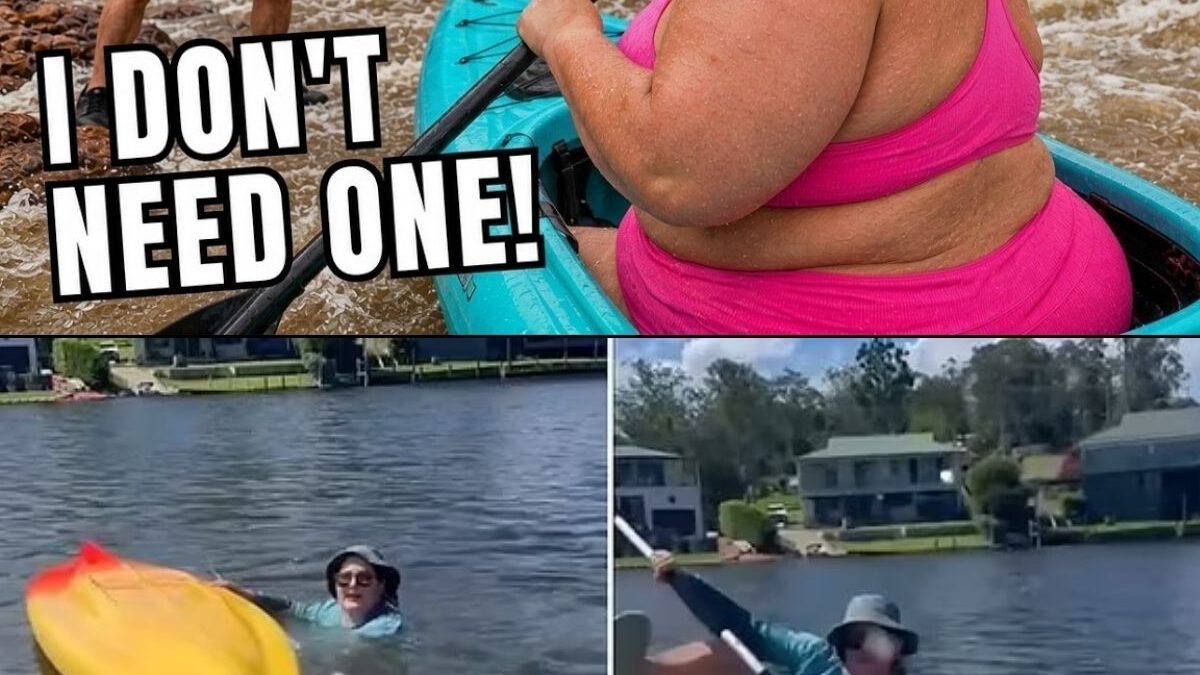
The call that signals a river ranger’s worst nightmare usually begins with the description of an empty boat. On a Tuesday afternoon in June, the radio crackled with a report from a fishing guide two miles downstream of a notoriously brutal rapid on the Colorado River. He had spotted an empty kayak circling in an eddy, marked with a turquoise rental sticker, accompanied only by a pink water bottle knocking against the canyon rocks. Every river ranger knows the grim reality of this sight. Kayaks are incredibly buoyant, designed to bounce off rocks and float out of trouble. The river always gives the plastic back. It is much slower, however, to give back the people.
The woman who launched that kayak was fifty-four years old, dressed in a bright pink athletic set, and arrived at the outfitter’s shop carrying iced coffee and an unyielding sense of confidence. She was the kind of person who filled a room with her volume, armed with decades of experience on calm lake waters and a smartphone ready to capture her next great adventure. Alongside her lifelong best friend, she had booked this specific stretch of whitewater not because of the outfitter’s impeccable safety record, but because she had watched an influencer’s highly edited video. She had seen the slow-motion spray, the thrilling drops, and the comments section filled with fire emojis. What the algorithm cropped out, however, was the rigorous safety system that made those thrills survivable. She came to the river to step inside someone else’s viral moment, fundamentally unaware that the river does not honor other people’s footage.
The tragedy of that afternoon was not born from a sudden, unpredictable freak of nature. It was meticulously constructed through eleven distinct, ignored warnings. The first warning came during the mandatory eleven-minute safety briefing. As the seasoned guide stood at a whiteboard detailing the exact rapid that would later claim her life, she filmed a dismissive video for her followers, captioning it with a complaint about the talking and a desire to just get on the water.
The second warning was the most critical mechanical failure of the day. A life vest that is not zipped and cinched is not a life vest; it is merely a colorful souvenir. When the guide noticed her vest could not close over her chest, he rushed to fetch extended sizes. Instead of accepting the proper equipment, she draped the open vest over her shoulders like a fashion statement, telling the young guide that if they did not carry her size, she would simply do things her own way. She laughed off his professional insistence, choosing comfort and ego over fundamental survival gear. In moving water, an open vest immediately rides up over the head, leaving the wearer exactly as buoyant as the day they were born.
As the trip progressed through the breathtakingly beautiful canyon walls of the daily stretch, she repeatedly paddled ahead of the group. Four separate times, the guide called her back, explaining that the river changes character around blind bends and that the safety of a flotilla depends on staying together. Her response was a smiling dismissal, relying on her years of boating on flat lakes. But a lake is a stagnant basin of heavy water; a river is a violent machine that throws that weight forward. The math of moving water is merciless. When a current doubles in speed, its physical force quadruples. The gentle currents she navigated that morning were moving at two miles per hour. The rapids waiting ahead were surging at nine.
Furthermore, she had not calculated the brutal reality of the water’s temperature. Born from melting snow in the San Juan Mountains, the brown water of the Colorado River hovered around sixty degrees. Water pulls heat from the human body twenty-five times faster than air. The immediate danger is not the slow creep of hypothermia, but the involuntary gasp reflex triggered by cold water hitting the face and chest. If a paddler is pulled beneath the foam when that uncontrollable gasp occurs, the timeline for survival instantly collapses. Professional rescue swimmers teach a rigid timeline for cold water immersion: one minute to control breathing, ten minutes of meaningful limb movement, and one hour before hypothermia wins. But without a functioning, zipped life jacket, that first minute becomes an insurmountable battle against physics.
The final fracture in the day occurred at the last sandy beach before the rapids. The guide gathered the group for a stark, unambiguous briefing. He pointed out the one serious piece of water on the route, instructing everyone to follow his boat on a tight line to the right. He warned them with absolute clarity never to enter the rapid on the left side, as it dropped into a massive hydraulic hole. In river terminology, a hole is a monstrous phenomenon where water pours over a ledge, drives to the bottom, and endlessly curls back upstream, trapping whatever falls into it in a violent, churning washing machine.
While the guide was busy securing the vests of nervous customers, she pushed her kayak off the sand. Her best friend called out. A retired firefighter in the group physically grabbed the back of her boat, urging her to wait. She simply laughed, repeated her claim about knowing boats, and paddled away from his grip. Seeing her break away, the guide sprinted for his own boat, screaming the eleventh and final warning across the rushing water to stay to the right.
She went left. From upstream, the left side offered a long, smooth, green tongue of glassy water. It is the river’s oldest and most lethal optical illusion. The water is smooth only because it is falling rapidly, and by the time she realized the speed of her descent, she was already entirely committed to the trap.
Her friend’s smartphone captured the terrifying forty-one seconds that followed. At first, there was joyful whooping and a raised paddle. Then, the green tongue dropped. The kayak hit the curling wave sideways and flipped upstream in a violent motion that looked almost unnatural. The hydraulic hole swallowed the boat, chewed it up, and spit the empty plastic out to the right. But it did not spit her out. In the turbulent white foam, the unzipped red life vest washed away, spinning uselessly on the surface. The river had accepted the donation of her safety gear.
The guide responded flawlessly, throwing a rescue rope into the churning water repeatedly while standing on a treacherous rock spur. But you cannot throw a rope to someone the river refuses to bring to the surface. A person submerged in cold, aerated water without flotation only has breath control for a few agonizing seconds. The guide stayed on the rocks for twenty minutes until the water ran clear, and then he had to perform the heaviest burden of his profession: he turned around, checked the meticulously zipped vests of his remaining terrified clients, and guided them safely through the same rapids to bring them home.
This tragedy repeats on desert rivers every single season because people mistake nature’s indifference for mercy. There is no customer service desk when physics takes control. When the Coast Guard tallies recreational drownings year after year, the primary finding never wavers: in the overwhelming majority of deaths, a life jacket was available but was not worn correctly. Nature does not care about how many followers you have, how many lakes you have navigated, or what you planned for your summer vacation. It grooms its traps to outshine the safe lines, making the lethal path look beautiful and inviting. The river only ever charges for its lessons once, but it demands the ultimate price.

