Great White Shark Devours Navy Crew in the Deadliest Attack of 2025!
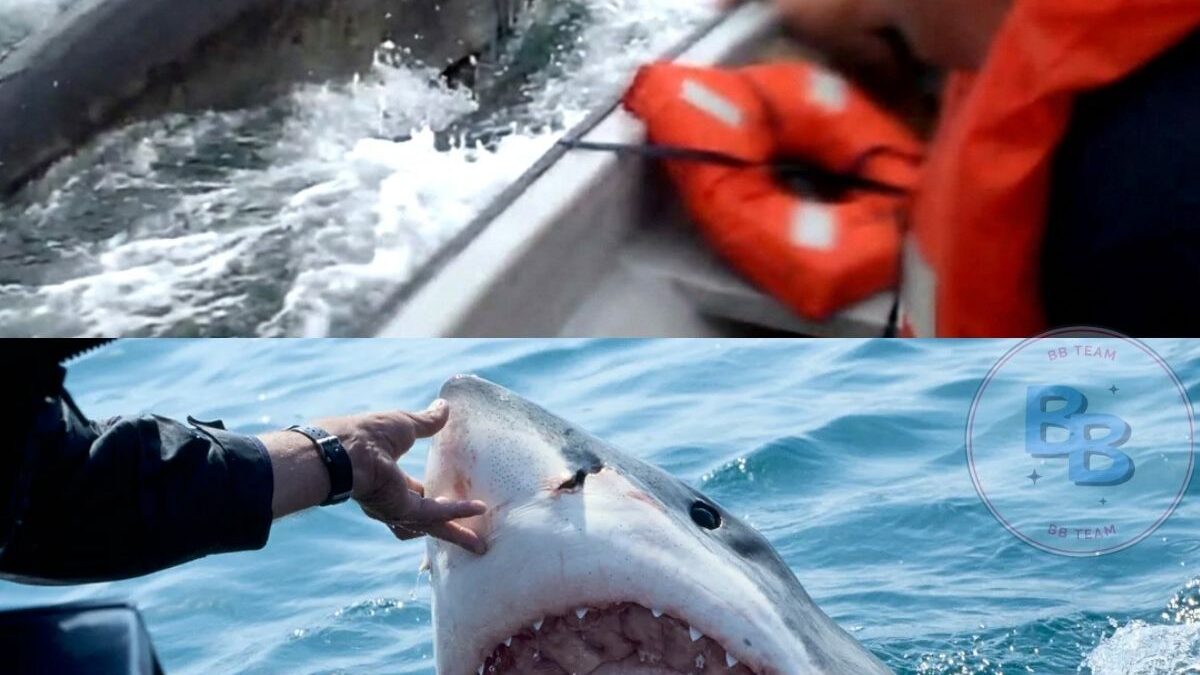
Great White Shark Devours Navy Crew in the Deadliest Attack of 2025!
Open water can turn deadly in an instant, even for the most experienced. Calm seas, dark caves, and offshore platforms can quickly transform into danger zones. From Navy divers to surfers, workers, and tourists, danger can strike without warning. In this video, we’ll dive into six chilling tales.
Real life encounters that show how fast and powerful ocean predators truly are. On November 12th, 2025, a US Navy dive team operated in the Pacific Ocean near a rocky seal colony during a training inspection. The water sat cold and green, shaped by steady swells and strong tides that carried the scent of fish through the area.
The team prepared from a gray training vessel positioned a safe distance from shore, where seals rested and hunted in the open water nearby. Petty Officer Caleb Monroe served as the most experienced diver in the group. He grew up near the coast and learned to respect the sea early in life. Years of service had trained him to stay calm under pressure and trust his gear and teammates.
He earned praise for discipline and focus, and younger sailors often followed his example during drills. The other four divers came from different backgrounds, but shared the same goal, completing the inspection and returning to the surface without issue. Above them, the surface crew tracked depth, air levels, and time. The dive began smoothly.
The group descended in formation, moving slowly along the seabed while scanning hull markers and anchor lines. Light faded with depth and shapes blurred at the edge of vision. Seals moved in the distance quick and sharp, then vanished into darker water. The presence of prey stirred unseen movement below. Without warning, an enormous great white shark surged upward from the depths.
The animal measured nearly 18 ft, built thick and powerful, its pale underside flashing once before impact. It struck with the speed of an ambush. Its jaws closed around Caleb Monroe’s leg, crushing gear and flesh together. The force pulled him away from the group in a violent ark, sending clouds of sand and bubbles outward.
The remaining divers reacted at once, kicking hard and reaching for lines, but the predator did not retreat. It turned back through the water, striking again with sudden bursts. Teeth tore into arms and legs as bodies scattered. Fins cut the water as the animal circled and charged, driven by instinct and confusion.
Blood spread quickly, clouding visibility and dulling sound. Above, the surface crew spotted rapid bubbles and sudden movement below. Ropes and flotation devices dropped from the vessel, splashing down in rushed patterns. The crew hauled lines and scanned the surface, but the chaos below moved faster than any response.
The shark dragged its targets toward deeper water, where light failed and control vanished. The sea churned briefly, then settled into a heavy calm below the surface. The attack continued in fragments of motion and force, leaving one diver still moving while others drifted apart. The water grew quiet and the current carried what remained into shadow as help raced toward the scene.
The water stayed dark and heavy as movement slowed beneath the surface. One diver still breathed, drifting upward with torn gear and shaking limbs. The others no longer moved, their bodies pulled apart by force and current. The Predator faded into the open sea, leaving behind silence broken only by weak motion from the lone survivor.
Surface crew spotted irregular bubbles rising at an angle away from the last disturbance. They pulled hard on lines and guided the injured sailor toward light. Hands reached down and lifted the body onto the deck where blood covered torn fabric and deep cuts marked arms and legs.
The survivor stayed alive but barely aware, eyes open yet unfocused, chest rising in short bursts. Medics rushed forward and worked without pause, slowing blood loss and keeping the airway open. Recovery teams returned to the water once support vessels arrived. They searched carefully, knowing danger still lingered nearby.
Divers moved in pairs this time, watching every direction as they followed debris trails and broken equipment. They located remains at different depths, each discovery, confirming the loss of four crew members. Damage showed clear signs of a single large predator, matching the known behavior of great white sharks near feeding zones.
The injured sailor received rapid transport to shore. Surgeons treated deep wounds that cut muscle and tissue, but spared vital areas. Survival came down to position and timing as the animal turned away before delivering a final strike. Doctors later confirmed that quick rescue and strong physical condition prevented death.
Long recovery followed, marked by therapy and lasting scars. Officials closed the training area immediately. Naval leadership reviewed safety rules and dive planning methods. Experts explained that seal colonies attract apex hunters that rely on surprise from below. They noted that even trained teams face significant risk when working near such zones, especially in low visibility.
The shark involved showed no unusual traits beyond size and strength, acting on instincts shaped by environment. Families of the fallen gathered days later to receive official notice. Support services stepped in to assist with grief and logistics. Each sailor had completed years of service and training, leaving behind loved ones and unfinished plans.
Memorial events honored their commitment and sacrifice without delay, keeping focus on respect rather than spectacle. The survivor later shared details with investigators through medical reports and structured review, helping rebuild the sequence of events. Those findings supported the conclusion that the strike unfolded too fast for escape or defense.
The ambush pattern matched known attack models with rapid engagement followed by repeated bites during confusion. This incident became the deadliest shark attack recorded in 2025. Marine experts used it as a case study to warn both military and civilian divers. They stressed the danger of solitary or small groups operating near active prey sites.
New guidance encouraged greater distance, improved spotting methods, and revised schedules to reduce exposure. Life moved forward for those affected, though memory remained sharp. Training protocols changed, and future teams carried lessons learned from loss. The ocean stayed unchanged, vast, and indifferent.
While humans adjusted their understanding of its risks, one sailor lived with survival and recovery, while four others remained part of the official record and history. On June 18th, 2024, marine photographer Isla Moreno entered the warm waters of Palao for a planned night snorkel inside a limestone cave system along the reef edge.
Isa had spent years documenting ocean life in low light places. She built her career through patience, strong swimming skills, and deep respect for marine behavior. Her work often focused on animals active after sunset when reefs changed and shadows ruled movement. Friends described her as calm, focused, and careful, qualities shaped by long hours in remote waters.
That night, Isla joined a small guided group equipped with lights and surface support. The plan involved slow drifting through a narrow cave corridor where nocturnal fish gathered. The walls rose sharply and unevenly, carved by water over centuries. Darkness pressed close, broken only by beams cutting through suspended sand.
Isa moved slightly ahead, drawn by movement deeper inside the chamber. She adjusted her fins and steadied her breathing, preparing to capture fleeting shapes along the rock face. Without warning, a large scalloped hammerhead appeared from the cave shadow. The shark measured close to 13 ft, its wide head sweeping side to side as it closed the distance.
In the tight space, escape roots vanished instantly. The animal brushed past the stone, then snapped forward, catching Ela Mareno’s fin in its mouth. The sudden pull twisted her body to the side, dragging fabric and gear against jagged walls. Water filled with bubbles as Isa kicked hard, arms flailing to keep balance.
Her wets suit scraped rock, tearing skin beneath. The shark released briefly, then returned, tugging again at her lower body. Light beams shook wildly, flashing across pale skin and curved teeth. Confined space amplified every movement, turning seconds into confusion. The predator circled once more, body bending sharply as it tested resistance. behind her.
Her dive partner reacted quickly. Splashing motion and a strong wave of light cut across the cave opening. The sudden disturbance broke the shark’s focus. After several tense moments, the hammerhead turned away and vanished back into open water, leaving only drifting sand and fading motion. Isla forced herself upward, legs burning and arms numb.
Blood seeped from small wounds as she reached clearer water near the cave mouth. Her body shook as she surfaced, supported by nearby hands while the cave behind her returned to silence. Surface lanterns glowed faintly above, marking the direction of the exit as currents shifted gently. Crew members steadied her position and checked movement range.
Pain spread slowly while strength faded, yet awareness remained. The cave ceiling dripped sediment and distant reef sounds echoed outside. The team guided Eela toward the support raft as the current eased. Medical staff cleaned cuts, wrapped limbs, and kept her warm while swelling formed across calves and forearms. Puncture marks showed shallow depth, matching a warning bite rather than a feeding strike.
Bruises spread where stone scraped skin during the struggle, and muscle strain limited movement. Breathing steadied as shock faded, though fatigue remained heavy. Transport followed within minutes. Onshore care continued through the night with scans and careful checks for infection. Doctors treated wounds and monitored circulation, noting that fins in the suit absorbed much of the force.
Recovery required rest, antibiotics, and gradual therapy, but no surgery. The outcome surprised staff given the tight space and size involved. The dive partner provided a clear account to the guides and safety officers. The report described sudden contact, repeated tugs, and rapid retreat after bright motion disrupted the animal.
This witness account allowed investigators to map the sequence without speculation. Local experts reviewed tide charts, moon phases, and prey movement, concluding that night activity in caves increases overlap with hunters who use darkness and surprise. Authorities suspended night cave snorkeling in the area while assessments continued.
Briefings emphasized spacing, light discipline, and strict group cohesion. Planners recommended avoiding limestone tunnels after dusk, especially near reef drop offs that funnel fish. Marine biologists explained that scalloped hammerheads travel corridors and investigate unfamiliar shapes, sometimes testing gear with quick nips before disengaging.
Isla Mareno rested under observation, processing events through medical notes and timelines rather than memory alone. Healing progressed over weeks, leaving scars and stiffness, but full function. She later contributed to safety reviews by sharing the physical limitations encountered in confined spaces, highlighting how walls remove escape options and amplify risk, even for experienced swimmers.
The incident spread through professional circles as a cautionary example. Training programs updated modules on nocturnal behavior and cave hazards. Guides reinforced protocols for staying aligned and keeping lights coordinated to present a single presence. Rescue teams practiced extraction drills suited for narrow exits and low visibility.
Environmental conditions returned to normal soon after. The reef continued nightly cycles and the hammerhead likely resumed routine travel. No further encounters occurred at the site following closures and rule changes. Records classified the event as a non-fatal shark interaction with confirmed injury and successful deterrence by human response.
Isler resumed work months later with revised plans favoring openwater night dives and daylight cave studies. The experience reshaped priorities without ending a career. It underscored that preparation reduces harm but cannot remove danger when predators share space. Careful planning, distance, and respect for habitat remain essential for survival during night exploration.
Follow-up reviews compared this case with regional data to refine guidance. Analysts noted that caves concentrate sound and limit visibility, heightening startle responses in both animals and humans. Night schedules were adjusted, permits were tightened, and briefings for visitors were expanded. Insurance and operators aligned on standards, improving oversight.
Community outreach shared lessons with photographers and snorkelers, stressing buddy distance and exit planning. The survivor remained a living witness, ensuring details remained accurate and grounded, while changes reduced the risk of repetition. These measures balanced access with caution, preserving learning opportunities without dismissing danger, accountability, or responsibility across future operations worldwide.
On August 11th, 2025, Leona Marquez entered the warm waters of Maui, Hawaii. Just as the sky shifted from night toward early light, the reef lay shallow beneath her board, rough and uneven, shaped by coral and stone, small waves rolled in steady lines, and bait fish moved in tight groups near the surface. The time of day often drew strong swimmers and experienced surfers, all searching for clean water and quiet breaks.
Leona Marquez lived close to the ocean for most of her life. She built her days around tides, weather, and motion. Friends knew her as patient and focused, someone who trained her body through long paddles and balance work. She respected the sea, but believed preparation reduced risk. Years of practice had given her confidence in shallow reef areas where waves formed fast and close to shore.
That morning, she paddled alone, keeping distance from others to avoid crowding and drifting lines. Nearby surfers watched from farther out, waiting for their turn. The reef created narrow paths, slowing movement and limiting space. Beneath the surface, a tiger shark moved through the water with steady control.
The animal measured close to 15 ft and followed instinct, drawn by the movement of bait fish gathering near the reef. The shark stayed low at first, blending with shadow and rock, sensing vibration and shape above. Without warning, the predator surged upward. Its body broke the surface in a sudden rush, jaws opening wide.
It clamped onto Leona Marquez’s thigh with crushing force and pulled her off the board. Water exploded outward as she vanished below, arms and legs striking blindly. The shark dragged her through the reef, twisting its body as it turned. Coral scraped skin and gear, tearing flesh as rocks struck with each movement.
She fought against the pull, but the animal snapped again, shifting its grip toward her torso. Blood spread quickly through the water, mixing with sand and broken coral. The reef blocked fast access, and the shallow depth trapped motion in a tight space. Above, surfers saw violent splashes and thick bubbles rise, then scatter.
Boards knocked together as people tried to move closer, but the reef slowed every approach. The shark continued its attack, making sharp turns and exerting sudden force. Each movement drove her deeper into uneven ground, where sharp edges cut and caught. The water churned for seconds that felt longer, filled with motion and resistance.
Then the surface began to calm. The bubbles thinned and the splashing faded, leaving only small ripples drifting across the reef. As the sea grew still again, the water stayed calm as movement ended below the surface. The board drifted without control, nudged by small swells and broken foam. Nearby surfers stopped paddling and scanned the area, sensing that something final had occurred.
None could reach the center of the reef in time, and caution held them back as red clouds thinned and spread. Rescue crews arrived soon after alerts went out. They approached from safer channels and moved carefully across uneven stone. Divers searched the reef edge first, then swept inward, watching currents and shadow.
They located Leona Marquez beneath the water, tangled near coral and rock. Her injuries showed severe tearing along her legs and across her abdomen, leaving no chance of survival. Teams lifted her gently and brought her to shore, where medical checks confirmed death. Officials secured the beach and closed nearby surf zones.
Boats patrolled the area to ensure the predator had moved on. Marine specialists examined the scene and confirmed a tiger shark attack based on wound patterns and behavioral signs. They explained that such animals often patrol reef lines where fish gather, using speed and power to strike without warning. The conditions that morning matched known risk factors, including low light and active prey.
Witnesses who watched from a distance described the force involved through their actions and reactions. The speed of the initial surge and the violent motion afterward left no time for help. The reef, which often protects surfers from open ocean dangers, instead trapped the event within a narrow space.
Even strong swimmers would struggle against such strength in shallow rock-filled water. Authorities later reviewed safety guidance for solo surfing. They stressed the added danger of paddling alone near feeding zones, especially during early hours. Experts noted that tiger sharks rank among the most aggressive species in coastal waters.
Known for testing large objects and following movement close to shore. Once contact occurs, escape becomes extremely unlikely, the community felt the loss quickly. Memorial flowers appeared near beach access points, and surf groups paused regular sessions out of respect. Friends remembered Leona Marquez for her dedication to the ocean and her steady effort toward her goals.
Her routine of training and discipline reflected deep love for the sea, making the loss harder to accept. Scientific reports recorded the incident as one of the most severe surf related shark fatalities of the year. Data from the case contributed to ongoing research on predator patterns around Hawaiian reefs. Specialists emphasized awareness rather than fear, reminding ocean users that such encounters remain rare but serious.
Life resumed slowly along the coast. Warning signs were posted and patrols increased during high-risisk periods. The reef remained unchanged, holding both beauty and danger. The attack ended quickly, leaving a lasting impact through memory and record rather than extended chaos. The event served as a stark reminder of natural power and the limits of human control in wild spaces.
Emergency reviews continued across training programs, surf groups, and coastal planning teams. Risk charts were updated, patrol timing was shifted, and public notices received clearer guidance. Families received support and counseling services expanded quietly. The shoreline returned to routine activity.
Yet caution lingered within daily habits, shaping decisions made before entering moving water during future mornings along island shores statewide. On July 5th, 2022, record-breaking summer floods swept across southern Louisiana near Baton Rouge, turning quiet banks into wide brown water. Aean Harrove grew up close to rivers and spent years working outdoor jobs that demanded strength and balance.
Friends knew him for calm focus and careful planning, even during risky hobbies. He trained his body through climbing and rescue drills. Proud of control and timing. That day, he joined a small group near a flooded estuary where a rope zipline stretched between trees above the fastmoving flow. The water below looked thick and dark, filled with broken branches and floating trash pulled loose by rising levels.
Strong current pushed past hidden roots and fallen logs. Nearby land sat soaked and silent with insects hovering above the surface. Aean prepared for a clean swing and release, expecting a quick drop and smooth swim to shore. Witness Mara Flynn stood close, watching conditions and ready to help if needed.
As weight shifted onto the rope, momentum carried him outward. The line hummed as he moved above the channel, then the hands released. His body fell feet first toward the river. At that instant, a 10-foot bull shark surged from below, driven by movement and clouded water. Its head broke the surface as jaws closed around his calf, stopping the fall with a violent jolt.
Force spun him sideways into the channel. Teeth held tight while the animal rolled, pulling him across submerged wood. Skin scraped hard against hidden limbs and bark. Water churned into spray as the predator thrashed. Using power to control the struggle, Aean kicked and twisted, trying to free his leg while debris struck his arms and ribs.
Mara Flynn rushed into the shallows, splashing to draw attention away. The shark released briefly, then struck again higher, snapping toward the torso. Impact drove him under as the current pressed both bodies against sunken logs. Bruising spread fast where wood and muscle collided. Blood mixed with silt, shrinking vision to shadows in motion.
With effort and instinct, Aean forced his head upward and broke the surface for air. The animal still circled close, cutting through the water with quick turns. Limbs burned from strain while the rope drifted away behind him. Flood noise swallowed smaller sounds as danger closed in again.
He fought to keep a distance while his strength faded and cuts opened wider. Debris bumped his sides as the current pulled downstream. The shark angled back through the channel, body low and fast, using the brown cover for another rush. Mara stayed near shore, moving water with arms, while Aean struggled toward land, knowing the next surge could decide everything.
Flooded trees loomed ahead as fear sharpened focus before impact once more. The next surge came fast and low. The bull shark cut through the brown flow and struck once more, brushing past as the injured man reached shallow ground. Its body twisted near broken limbs and loose roots, then turned away as splashing and movement increased along the bank.
Muddy water rolled over itself, hiding the animal as it slipped back into the deeper channel space. Hands grabbed the wounded man and pulled him onto wet soil. His body shook from pain and shock. Long cuts crossed his calf, sides, and arms. Dark marks spread across his torso where logs struck during the struggle.
Blood ran in thin lines toward the river’s edge, mixing with flood water. Mara Flynn stayed close, using steady motion to keep him still while others rushed in from nearby ground. Emergency crews arrived quickly because the flooded area was already under watch. They lifted him onto a flat surface and worked to slow the bleeding.
His breathing stayed fast but steady. Awareness came and went as pressure wrapped wounds and cold air hit exposed skin. He survived because the attack broke at the final moment and because help reached him before his strength failed. Transport moved him toward medical care near Baton Rouge. Doctors cleaned deep lacerations and treated crushed tissue.
No vital organs were damaged, though muscle loss required a long healing period. Bruises covered ribs and hips, showing the force of spinning contact with hidden debris. Recovery demanded surgery, rest, and months of therapy, but life stayed intact. Authorities closed access to the flooded estuary soon after. Wildlife specialists reviewed conditions and confirmed that bull sharks often move far in land during heavy floods.
Murky water, fast current, and sudden entry from above created perfect hunting signals. Experts warned that quick plunges and strong movements near submerged obstacles can trigger an explosive response from such predators. The event spread through local rescue and outdoor groups as a cautionary example.
Recreational stunts near flood zones are now subject to new restrictions. Safety teams stressed the danger of unseen wildlife during extreme weather. The river returned to quieter levels weeks later, but the memory of the attack stayed fresh among those present. Mara Flynn provided a full account to responders, helping explain the timing and movement during the struggle.
Her actions helped distract the predator long enough for escape. Witness reports described violent spinning, sudden strikes, and chaotic spray, showing how quickly control vanished once the drop occurred. The injured man faced long rehabilitation and lasting scars. Strength returned slowly through guided exercise and patience.
He avoided rivers during recovery, focusing instead on steady ground. Experience changed his view of risk, replacing thrill with respect for flooded environments and hidden life within them. Experts logged the incident among confirmed inland shark attacks for that year. Records highlighted the unusual setting but typical behavior pattern.
The bull shark acted as expected within its range, responding to sound, motion, and low visibility. No further sightings followed, though warnings remained active through the season. Life moved on along the river banks. Flood marks faded from trees and soil. The estuary kept flowing, carrying debris and fish through its bends.
One moment of misjudged timing turned a planned stunt into a near fatal event. Survival depended on chance, quick reaction, and help close by. On June 18th, 2021, an offshore work shift unfolded in the Gulf of Mexico near a towering sea drill platform. Warm currents moved fast, carrying clouds of bait fish that flashed as silver sparks beneath the surface.
Service boats circled the structure while crews handled routine tasks meant to keep equipment safe and running. Ara Callahan worked as a seasoned sea drill laborer. Years offshore shaped his steady habits and strong build. He learned early how weather, machines, and water demanded respect. Co-workers trusted his focus during long hours, and supervisors relied on his calm approach around heavy gear.
During breaks, he often watched marine life moving around the platform, noting patterns that hinted at changes below. That afternoon, a small service boat idled near the structure. Bait fish darted in tight groups along the shade line, driven by unseen pressure. Aric leaned forward over the edge, steadying himself while trying to capture the movement below.
The water looked calm, yet tension hid beneath the surface where predators followed food. Without warning, a shortf Mako surged upward from depth. The shark measured close to 12 ft, built lean and fast with a pointed snout cutting through foam. It exploded from below and clamped onto Aric Callahan’s forearm. Jaws closed with sudden force, and the animal shook side to side, driven by speed and instinct.
The impact threw Aric backward. He lost balance and crashed into churning water beside the boat. His body flailed as the shark twisted nearby, snapping close to his torso while blood spread in thin streams. Crew members reacted at once, splashing hard and slamming metal pipes against the hull. Noise and vibration filled the air as the Mako tested him again, circling in quick arcs.
The water erupted in spray and movement. The shark released and pulled away for brief moments, then rushed back, brushing past with violent turns. Each second felt stretched as the animal gauged risk and reward in baitrich water. The boat rocked while hands reached down, timing a chance to pull him clear. As the struggle continued, the Mako finally turned off and slid back into the open sea.
The moment left the surface, it was heaving and red streaked. Aric clung to the boat edge, injured yet conscious, while the crew prepared to haul him aboard, knowing the danger had not fully passed. Equipment rattled as the vessel held position. Current tugged at loose lines and carried scent outward.
Crew scanned the surface, aware that speed defined survival in such moments. Aric Callahan kept one hand locked while pain surged through muscle and skin. The sea remained restless, signaling that the encounter could return without notice. Above, daylight shimmerred as support crews prepared recovery steps with urgent care.
Hands grabbed his shoulders and pulled him onto the deck as the boat drifted clear of the platform. Blood soaked clothing with serious damage along the arm and side. Crew wrapped pressure and kept him still as engines turned toward shore support. The sea calm behind them, leaving only scattered foam and fading scent.
Medical teams met the vessel near the coast and moved him quickly onto a stretcher. Surgeons worked to clean wounds and repair torn tissue. Muscle survived, but nerves suffered strain, leaving weakness that required long-term therapy. Recovery demanded patience, yet survival came from fast help and strong health. Investigators reviewed the incident using witness accounts and physical signs left on the gear.
Patterns showed a fast hunter drawn by bait fish gathered near steel shadows. Experts explained that shortf fin makeo sharks chase speed and react to sudden motion, especially around structures that trap prey. Lean bodies allow bursts that overwhelm targets before retreat. Operations halted briefly as crews adjusted safety rules.
Workers received new guidance on leaning positions and animal awareness during feeding events. Support boats increased watch during high fish activity. Training focused on the distance from the water’s edge and quick response drills for emergencies. The injured laborer later returned home to heal, carrying scars that marked the day.
Strength slowly improved through guided exercise, though some movements stayed limited. Work plans changed, shifting him toward rolls away from open edges. The experience reshaped respect for risk rather than ending service. Those who assisted felt the weight of how fast routine can turn deadly. They continued shifts with sharper focus, scanning water for signs before tasks.
The platform stood unchanged, yet memory lingered around the rail where danger struck. Marine specialists used the case to remind offshore crews that predators follow food, not intent. Artificial structures create hunting lanes that draw swift species. Calm surfaces can hide rapid threats rising from depth.
Awareness and spacing reduced the chance, but never erased danger. The event ended without loss of life, though injury remained severe. Prompt action, teamwork, and training prevented a fatal result. The ocean returned to motion as before, indifferent to outcome. While humans adapted lessons learned from a brief violent meeting, safety officers filed reports and shared findings across fleets operating in similar waters.
Data helped map seasons when bait gathers tight and hunters patrol edges. Changes reduced exposure during peak movement periods and improved spotting routines. The survivor supported education efforts, allowing details to guide prevention. Healing continued with support from family and colleagues, balancing limits with purpose.
Life resumed with caution rather than fear. Records logged the encounter as a serious non-fatal marine injury for that year. analysis confirmed behavior aligned with known patterns, not an anomaly. Awareness remained the strongest defense. Community training sessions expanded along the coast, focusing on flood seasons and wildlife signals.
Visual checks, lookout roles, and timing adjustments became standard. Crews practiced recovery steps to limit harm if contact occurred. Lessons influenced policy reviews across multiple sites, shaping broader offshore guidance. Risk awareness grew through drills and shared experience, reinforcing respect for changing water conditions and animal behavior.
Long-term monitoring continued, supporting safer planning and reducing the chance during future operations without ignoring natural unpredictability. Overall safety awareness increased across crews. On January 13th, 2026, cold seas off Gunsby, South Africa, carried steady swells around a commercial cage dive vessel, preparing for morning operations.
Marco Duca arrived with years of ocean experience and a calm focus shaped by countless hours underwater. He grew up near coastal waters, learned diving discipline early, and built a career around filming marine life for research groups and tour operators. Precision mattered to him. He planned movements carefully, trusted the equipment, and respected the animals that ruled the open water.
The operation followed routine steps. Crew lowered a steel cage beside the boat, secured lines, and checked cameras and air supply. Seals moved nearby, fast and loud, drawing attention below the surface. Their presence signaled opportunity for sightings, yet also warned of danger. Large predators often followed such activity, using shadows and depth for cover.
Marco entered the cage and descended slowly. Visibility shifted with light, clear one moment, then broken by bubbles and current. He focused on filming seals as they flashed past bars. During the drift, he leaned slightly outward to adjust a camera angle, keeping one hand on the frame. That small change altered balance and timing in a space where margins stayed thin.
From below, a massive great white shark surged upward. The animal measured close to 18 ft. Broad and powerful, moving with sudden speed. It struck the cage head on. Metal rang through water as the impact bent bars and snapped wires. The structure lurched hard, throwing Marco sideways into steel. Pain spread across his ribs as his body slammed against the frame.
The Predator did not pull away. It twisted along the cage, jaws opening and closing near Marco’s torso. Teeth scraped metal, sending vibrations through every joint. Water filled with bubbles and churn, erasing clear sight. Each hit pushed the cage backward, stressing cables and shaking the vessel above. The crew reacted immediately.
Winches engaged and lines tightened as the cage shifted away from open water. Inside, Marco struggled to stay upright, gripping bars while waves rocked the frame. Another strike landed from the side, folding metal inward and narrowing the space around him. Bruises formed quickly and small cuts opened where skin met sharp edges.
The Great White continued ramming with heavy force, circling and returning in short bursts. Seals vanished from view, leaving only motion and pressure. The cage groaned under stress while seconds stretched into long moments. As the pull upward increased, the shark surged again, jaws snapping closed as the structure rose through dark water.
Tension held steady as cables strained, engines hummed above, and Marco braced within bending steel, aware that another impact could arrive before safety or calm returned to the surface during the violent ascent phase. The upward pull continued as cables tightened and lifted the cage toward the surface.
Water rushed past bent bars and pressure eased in small steps as depth reduced. The predator followed briefly, then veered away, leaving a wide path of disturbed water behind. Foam spread across the surface as the cage broke through, rocking hard beside the vessel. Crew secured the frame and hauled it against the hull.
Hands steadied the structure while winches locked. Marco Duca stayed inside, breathing fast, muscles shaking from effort and shock. Blood traced thin lines along his arms and chest where metal scraped skin. Pain pressed against his ribs with each breath, sharp yet controlled. Medics reached him at once and guided him out with careful support.
On deck, the assessment began without delay. Bruising darkened his side where the impact landed. Small cuts showed grit and salt, but there was no heavy bleeding. Breathing stayed steady and awareness remained clear. Ice packs reduced swelling while bandages covered open skin. The vessel turned away from the site and increased its distance from open water activity near the seal area.
Below the sea settled into rolling swells. The animal did not return. Crews scanned the surface and monitored movement while preparing for return to harbor. Equipment inspection revealed bent steel, torn wire, and stress marks along welds. The damage confirmed the strength behind the strike and explained how quickly safety margins vanished.
Back at shore near Gansbby, medical staff completed the evaluation. Imaging showed bruised ribs without fracture. Cuts required cleaning and stitches, yet no deep injury threatened long recovery. Marco rested under observation as adrenaline faded and fatigue set in. Shaking slowed and color returned to his face.
He remained alive and stable, carrying marks that would heal over time. Authorities reviewed the incident with the operator. Procedures came under focus, including cage spacing, wire thickness, and camera positioning. Experts explained that large great white sharks rely on sudden bursts of movement to trigger a response. A slight lean beyond the frame changed the shape and timing of the animals reed, increasing the chance of impact.
Even strong cages cannot remove risk when a full-grown predator misjudges motion. The event drew attention across the diving community. Specialists highlighted the role of seal activity in attracting apex hunters and the need for added caution during filming. Operators adjusted limits on movement near bars and increased pull distance when seals gathered close.
Crews reviewed emergency drills to shorten response time during unexpected charges. Marco entered recovery with support from staff and family. Rest replaced routine dives and light therapy eased soreness. Sleep returned slowly as memory replayed the force and sound of metal under strain. Over the days, swelling reduced and cuts closed.
The experience changed how he approached future work, strengthening respect for distance and timing and confined setups. The vessel underwent repairs before returning to service. Reinforced sections replaced damaged parts, and inspections verified integrity. Safety briefings expanded to include case review, focusing on how fast conditions can shift.
The ocean remained a workplace and a wild space demanding constant judgment. This incident stood as a clear reminder that engineered protection reduces danger but cannot erase it. A single misread moment near a feeding zone can trigger immense power. Survival came from rapid response, solid equipment and position during impact.
The aftermath stayed concise and focused, centered on healing, review, and prevention rather than spectacle. Life continued for those involved, marked by lessons carried forward into future dives along the same coast, where seals still move and predators still pass through deep water.

