Great White Shark Destroys Cage & Eats Family Alive on August 17th, 2025
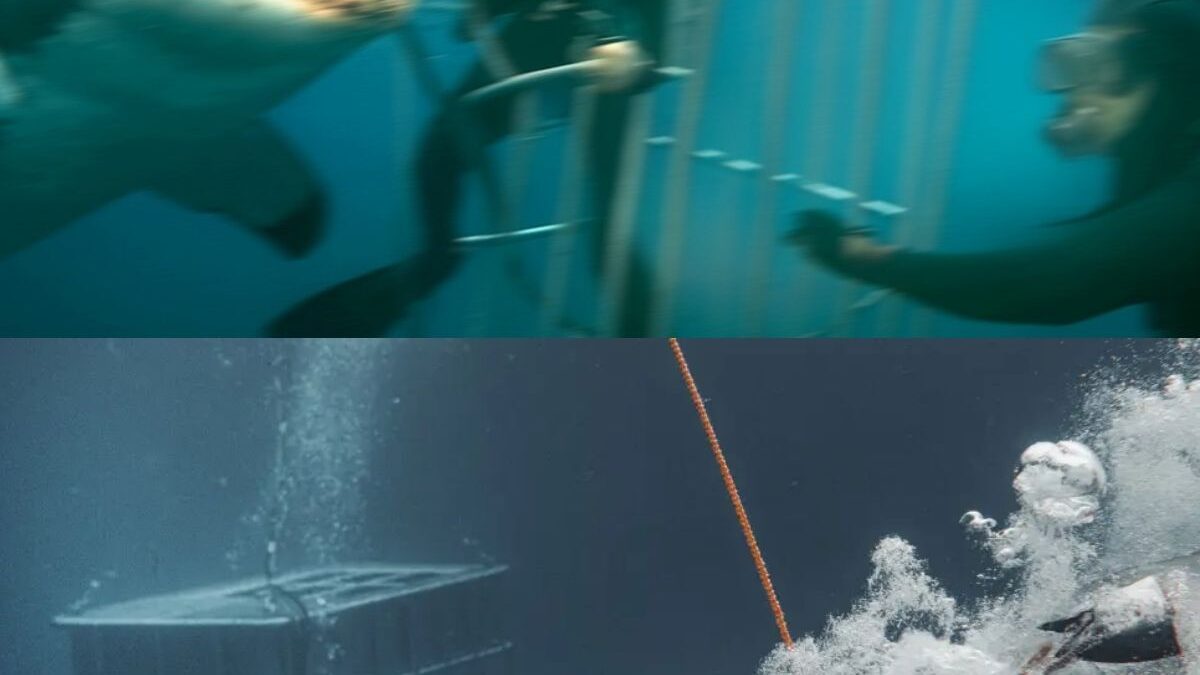
Great White Shark Destroys Cage & Eats Family Alive on August 17th, 2025
The ocean’s beauty hides sudden terror. From cruise ships turned hunting grounds to snorkeling trips shattered by blood in the water, sharks struck without warning. Families, friends, and lone travelers were forced into desperate fights for survival. In this video, we reveal six shocking shark encounters where calm seas became arenas of fear and chaos.
On August 17th, 2025, the Ivana family’s long-awaited dream trip to South Africa reached its highlight in Gunsby, famed for shark cage diving. Sergey, a devoted marine enthusiast, longed to witness sharks in their natural habitat. His wife Natalyia shared his adventurous spirit, eager to create unforgettable memories for their children, Anna and Pavl.
After years of saving, they had finally traveled from Eastern Europe. The children’s excitement mirrored that of their parents. Unaware that danger lay beneath the waves, ready to test their courage. The small boat rocked gently on the swells of the Atlantic. The salty air sharp in their lungs. Crew members lowered a tall metal cage into the choppy water.
The bars were thick, strong, and built to withstand the powerful jaws of a great white. The Ivanovs slipped into wets suits, adjusted their masks, and climbed into the enclosure together, holding tight to the cool steel as the sea rose around them. Excitement filled their eyes as they waited, believing that the cage offered perfect protection.
Above them, the guides prepared bait to attract sharks, ready for the moment when the sea’s most feared predator would appear. Moments later, shadows flickered in the water, sending chills through the family’s bodies. From the depths, a massive shape grew larger, darker, and closer. Then with explosive speed, a 17- ft great white shark surged upward, smashing into the bars of the cage with bone shaking force.
The steel screeched, bending unnaturally under the incredible pressure. The impact shook the family off balance, their hands slipping as cold water rushed around them. Sergey pulled his children closer, but before he could regain control, the predator struck again. The second hit ripped the cage loose from its lines, causing it to flip violently.
In an instant, the Ivanovs were thrown into the open sea, tumbling through the foam. Panic gripped their chests as they realized the structure meant to protect them had become a trap that failed in seconds. The shark’s massive body cut through the water with terrifying power, circling them with ease. Blood from scrapes and cuts mixed with the salt as the family fought to stay afloat in the frigid current.
The predator lunged again, this time, seizing Sergei’s arm between its rows of serrated teeth. The water boiled with red as he struggled, yanked downward by the beast. Natalya tried desperately to reach him, but the predator’s tail sent her tumbling. Within moments, the shark turned on her, dragging her below before releasing and circling once more.
The children clung to shattered pieces of debris, screaming silently into their masks as the sea swallowed their parents. At that moment, chaos rained above the surface. The crew scrambled to throw flotation devices and ropes into the surf, shouting for the family to grab hold of them. Other divers stared in horror as the cage sank into the depths, twisted and broken.
The predator circled once again, its dorsal fin slicing the waves as it closed in for another strike. The family’s dream excursion had turned into a nightmare. And in the violent churn of the sea, survival seemed to hang by the thinnest thread. The shark cut across the surface again, circling with brutal speed as the Ivanov family struggled in the open water.
The crew on the boat worked frantically, tossing ropes and life rings into the sea, their eyes fixed on the terrified children clinging to fragments of the broken cage. With a final surge, one of the crew managed to haul Anna onto a flotation device while another pulled Pavle toward safety. The children’s small bodies shook violently from shock and cold, but their grip never loosened on the helper’s hands.
Sergey and Natalyia, though bloodied and barely conscious, were dragged alongside by ropes tied tightly around their waists, their movements weak, but still present. The Predator circled once more before fading into the deeper blue, its massive silhouette vanishing into silence.
The water was thick with blood and torn scraps of wet suits, the chaos leaving the sea stained with a reminder of what had just happened. The crew pulled the family one by one onto the deck, their limbs trembling and their eyes wide with terror. Sergey’s arm hung limp with deep puncture wounds exposing torn muscle. Natalya’s body shook uncontrollably as she coughed seaater, her lungs burning from the violent drag below the surface.
The children clung to each other, their faces pale, still hearing the echo of thrashing water and snapping jaws in their minds. The boat sped toward shore at full throttle, its engine roaring as emergency calls were made. Blood pulled beneath Sergey, staining the deck as crew members wrapped his wounds tightly with towels and belts to slow the bleeding.
Natalya lay beside him, gasping for air as her chest rose and fell unevenly. Every second felt stretched into eternity as the family’s nightmare shifted from the sea to the desperate race against time. By the time they reached land, medics rushed to lift them onto stretchers. Sergey was taken into surgery for massive tissue damage.
While Natalyia was treated for water inhalation and torn flesh along her shoulders and arms. The children, though spared the physical tearing of the beast, carried deep bruises from debris and the weight of sheer fear. Their wide eyes told a story words could never fully explain. In the days that followed, the family remained together in a hospital ward, wrapped in bandages and haunted by memory.
Nights were filled with restless cries and sudden jolts from sleep, each reliving the moment when steel bars bent and the sea turned against them. Doctors noted that while their bodies would heal, the scars of the experience would linger much longer. News of the event spread quickly across the globe, sparking debates about the safety of shark cage diving.
Images of the broken structure were shared in headlines, warning thrillsekers of the fragility of humanmade barriers against the raw power of the ocean. Experts explained that even thick steel could fail under the strike of an apex predator driven by instinct. For the Ivanovs, the adventure that began as a dream vacation turned into a fight for survival that would mark their lives forever.
Though they survived, the ocean had left its mark, not only on their skin, but on their hearts. Their story became a poignant reminder that the sea offers beauty and terror side by side and that even in controlled settings, nature holds the ultimate power. On March 12th, 2024, the Callahan family set out for a calm day of fishing off Queensland’s coast.
For Shawn, a seasoned fisherman, the sea was both routine and relaxing, and he hoped to pass that love on to his sons. Ethan, only 12, was already captivated by marine life, while his older brother helped alongside him. With sunshine glinting off the waves and their boat gently rocking, the outing became a lesson in patience, safety, and respect for the ocean.
As the day progressed, the family managed to hook a lively mackerel. The fish fought hard, pulling the line taught, and the excitement on Ethan’s face showed his curiosity about every detail. He leaned over the edge of the boat to get a closer look at the catch. His movements were eager, but not cautious enough, and the sparkling surface below hid the presence of something far more dangerous than the mackerel.
Beneath the boat, a massive tiger shark had been circling silently, drawn by the frantic splashes of the struggling fish. The predator’s patience ended in a sudden burst of power as it launched itself from the depths. In a split second, the 13 ft shark surged upward with terrifying speed, its open jaws clamping around Ethan’s arm and the fishing line in a single violent strike.
The force pulled him over the edge before anyone could react. The boat rocked violently from the sudden shift, water splashing high against its sides as panic set in. Ethan hit the surface, dragged down by the predator’s massive weight. The churning water around him turned chaotic as his father and brother leapt into action.
Shawn, fueled by sheer instinct and desperation, grabbed a gaff and swung it with all his strength at the shark’s snout. Each strike was delivered with the hope of making the beast release its hold. The older brother reached for Ethan, straining against the pull of the predator. The tiger shark thrashed violently, dragging Ethan sideways and deeper, its raw power bending his small body with every twist.
The boy struggled to keep his head above the surface, his eyes wide with pain and determination, his free hand fighting the water for balance. The water around the boat boiled with splashes as father and son fought against nature’s most ruthless hunter. At last, after repeated blows to its head, the tiger shark loosened its grip, leaving Ethan bloodied and gasping, but still conscious.
His forearm and shoulder bore the savage marks of the attack. Torn flesh and bleeding wounds exposing the violence of the moment. His family pulled him back toward the boat as the waves rocked harder. The predator circling again, unwilling to vanish. The ocean, moments earlier, calm and beautiful, had been transformed into a nightmare in the blink of an eye.
And yet, Ethan was still alive, his body broken, but his spirit clinging to survival as his family prepared for what would come next. As Ethan was hauled back onto the boat, the surface of the water churned with the restless shadow circling below. His body trembled from shock as his father and brother pressed against his wounds, trying to slow the bleeding that streamed down his forearm and across his shoulder.
The sea spray stung the torn flesh, and every movement sent waves of pain through his small frame. The tiger shark remained close, brushing the underside of the vessel, its dorsal fin slicing through the surface before fading back into the depths. The predators presence reminded them that danger still lingered and every second felt like an eternity.
The frantic calls for help carried over the open sea as nearby crews responded to the distress. Within minutes, a rescue craft appeared, its team rushing to stabilize the injured boy. His breaths came shallow and uneven, his skin pale from blood loss, but his eyes remained open, a sign of willpower even as exhaustion pulled at him.
The rescuers applied firm pressure to the deep lacerations, wrapping them with layers of bandages to keep him alive until they reached medical care. His older brother clutched his hand while Shawn helped lift him onto the rescue vessel. The family’s relief was tempered by the sight of the water below, where the shark continued circling, a reminder of how close they had come to tragedy.
The trip back to shore was tense. Every jolt of the waves threatened to worsen Ethan’s injuries, and the crew worked swiftly to keep his vitals steady. The once bright day now seemed heavy with dread. The ocean was no longer a place of wonder, but a stage of violence. Upon reaching land, an emergency team rushed him to the hospital, where surgeons prepared for immediate treatment.
Hours passed in a blur as his wounds were cleaned, stitched, and stabilized. His family waited with heavy hearts, uncertain of what news would follow. The aftermath of the ordeal extended beyond physical pain. Ethan’s arm bore long, jagged scars from the bite, and his shoulder required weeks of careful recovery. Doctors warned that the healing process would be slow with muscles needing extensive therapy to restore strength and motion.
For Shawn, the memory of seeing his son dragged into the sea replayed endlessly, filling his nights with restless thoughts of what could have been lost. The older brother carried his burden, haunted by the sight of the predator thrashing just feet away as he fought to pull Ethan back. In the weeks that followed, the family faced waves of attention from both local and national media.
The story of the young boy attacked during a simple fishing trip resonated with many, drawing sympathy and cautionary tales from others who had faced close encounters with the ocean’s most powerful hunters. Marine experts explained how the mackerel’s struggle had likely drawn the predator close and how quickly curiosity from such a predator could turn into aggression.
Though scarred, Ethan’s spirit remained unbroken. As he slowly regained movement in his arm, his determination to return to normal life inspired those around him. The event served as a sobering reminder of the razor thin line between adventure and disaster at sea. What began as a peaceful family outing became a lasting lesson about the unpredictable force of nature and the resilience it demands from those who survive it.
On July 12th, 2023, the warm waters of Gansbai welcomed many tourists seeking adventure, including 32-year-old Marisa Vanderway. She was known among her family and friends as a woman who loved the ocean, often seeking out trips that allowed her to connect with nature. Though her size made some activities more difficult, she never let it stop her from exploring new experiences.
Snorkeling in the clear coastal waters of South Africa had long been on her list. And on that day, she joined a guided tour that promised breathtaking sights beneath the surface. The calm shoreline and the company of fellow snorkelers gave the group a sense of ease as they prepared their inflatable raft, unaware of what was waiting in the depths.
The excursion began smoothly with participants settling into the shallow waters near the beach. The raft loaded with masks, fins, and other equipment bobbed gently as the group floated close to one another. Marisa entered the water with a wide smile, enjoying the cool embrace of the sea against the heat of the day. The guides kept a close watch, scanning both the tourists and the waves.
But even with years of experience, no one could predict how quickly a routine activity could turn into chaos. Without warning, the calm was broken. A massive great white shark, estimated at 16 ft, surged from beneath the surf. The predator’s sheer force sent shock waves through the group, and in an instant, it rammed the inflatable raft.
The small boat capsized, spilling gear into the water as snorkelers screamed and scrambled. The shark’s massive body cut through the shallow waves, and in one terrifying movement, it clamped down on Marisa’s leg. The sound of thrashing water and panicked cries filled the air as the predator dragged her beneath the surface.
Its jaws locked with brutal strength, tearing flesh and sending a cloud of red through the clear sea. Fellow snorkelers tried desperately to act, throwing ropes and flotation devices toward her, their hands shaking as they pulled on the lines in vain. The lifeguards rushed into the churning water, but the shark’s size and power made every attempt feel hopeless.
The shallow depth did little to protect her as the predator thrashed side to side, tossing her body violently before pulling her deeper. The once organized snorkeling trip had devolved into a chaotic scene with scattered tourists fighting to stay afloat and guides shouting for order. Every second dragged as rescuers tried to reach her, but the ocean belonged to the beast.
The water that had once reflected sunlight now churned with turmoil, carrying the undeniable signs of a struggle no one could control. By the time emergency responders arrived at the scene, the full scale of the disaster was clear. Marisa’s body had suffered catastrophic damage. Her injuries far beyond saving. The moments that followed marked the end of a day that had begun with joy and excitement, but ended in fear and devastation as the presence of an apex predator had turned a simple snorkeling trip into a nightmare that none of the
witnesses would ever forget. The screams and chaos slowly faded into a heavy silence as rescuers pulled what remained of Marisa from the turbulent waves. The once joyful beach was now filled with horror with tourists standing in shock and lifeguards trying to regain control of the shaken crowd.
The inflatable raft lay half submerged near the shore, its torn fabric drifting aimlessly with the tide. Rescue crews worked with urgency, but the extent of her wounds made it clear that no effort would be enough to reverse what had already been done. Her injuries were catastrophic, the kind of damage that left no room for survival.
The medical team tried to stabilize her on the sand surrounding her with equipment and frantic hands. But the loss of blood was overwhelming. Every attempt to restore life was met with the undeniable truth of the power of the predator they had faced. Within moments, the area was declared a fatality scene. Tourists wept openly while others remained frozen, unable to process what they had just witnessed.
Families pulled their children closer, many too afraid to even approach the water again. Authorities arrived quickly, marking off the site and gathering statements from the shaken witnesses. The guides explained that the trip was meant to be safe and they had taken all possible precautions, but their voices carried the weight of guilt and disbelief.
It was a stark reminder that the ocean can never truly be controlled, no matter how many safeguards are put in place. The sight of the ruined raft, the bloodstained surf, and the broken expressions of those present painted a vivid picture of the devastation that had been left behind. News of the attack spread quickly across the region, reaching officials and locals who were all too familiar with the reputation of these waters.
For years, Gansbai had been known both for its beauty and as a hot spot for apex predators. This event reignited fears and forced safety experts to reconsider the practices that had been trusted for so long. The family of the victim was contacted, their grief compounded by the cruel reality of how sudden and violent the end had been.
The aftermath extended beyond the shoreline. Investigations began to examine whether the equipment used was sufficiently robust and whether the guides had underestimated the risks on that particular day. Environmentalists reminded the public that these animals were not acting out of malice, but rather out of instinct. Yet, for those who had seen the horror firsthand, the memory of the thrashing water and the helpless cries would remain carved into their minds forever.
Days later, flowers and candles were placed near the beach as a tribute. Locals and tourists alike gathered to pay respects, their voices quiet as they stood facing the sea that had claimed another life. It became a place not just of mourning, but of reflection on the fine line between human adventure and the natural world’s raw force.
What began as a simple snorkeling excursion ended as a haunting reminder of the risks hidden beneath the waves, ensuring that the story of that day would not be forgotten. On July 14th, 2023, the waters around Tenneref shimmerred under the summer sun as a group of young divers prepared for a day of underwater exploration.
Among them was 15-year-old Sophia Martinez, a bright and curious teenager who had grown up near the Spanish coastline. From an early age, Sophia loved the sea, spending hours swimming, snorkeling, and learning about marine animals. Her family often encouraged her to follow her fascination with the ocean, and by her teenage years, she had already taken part in several supervised dives.
This particular trip was intended to be another exciting step in her journey of discovery, guided by professional instructors with years of experience. The dive began in calm, clear waters, making it an ideal spot for spotting marine life. Sophia, full of enthusiasm, moved confidently with the group, her eyes scanning the reefs and the colorful fish darting around her.
She had always been eager to interact with wildlife, often leaning a little closer than others to catch a better view. As the divers made their way through the rocky edges of the reef, a sleek shape appeared in the distance. The instructors knew immediately what it was, but to Sophia, it looked like an opportunity to get closer to a creature she had only seen in books and documentaries.
The shortf fin mako shark, slender and fast, approached with smooth, effortless movements. Its metallic blue body shimmerred in the sunlight that filtered through the water. The predator was not hunting. It was simply gliding near the group, likely drawn by the activity and the faint presence of fish nearby.
For a brief moment, the divers remained still, keeping their distance, but Sophia’s youthful curiosity took over. She extended her arm forward, hoping to make a fleeting connection with the animal that had captured her imagination. The reaction was immediate and violent. The shark snapped its jaws around her right forearm, its sharp teeth sinking deep into flesh.
The force of the attack yanked her backward, slamming her elbow against a rough rock that tore the skin. Bubbles filled the water as Sophia kicked and twisted, her mask shifting as she struggled to understand what had happened. The sudden cloud of blood turned the clear water into a blur of red.
Her hand and wrist bore the deepest wounds with long gashes stretching across her skin. Instructors reacted instantly, striking at the shark with metal poles they carried for safety. Each hit caused the animal to thrash, but its grip lasted long enough to worsen the injuries. After several tense seconds that felt endless, the shark released her and darted away into the depths.
Sophia’s arm hung limp, blood streaming from the torn muscles and punctures. She clutched her injured limb as she was guided onto a flotation device. The group quickly began the ascent, bubbles rising all around them as panic set in over what could happen next in the open sea. The group surfaced quickly, hauling Sophia onto the waiting boat where crew members rushed to stop the bleeding.
Her injured arm was wrapped tightly with bandages as blood continued to soak through. The atmosphere on board was tense with every movement focused on keeping her conscious and stable until they reached shore. The boat sped across the waves, its engine roaring as the coastline came closer. Medical staff had already been alerted, and an ambulance waited at the dock the moment they arrived.
Paramedics lifted her gently and secured her on a stretcher, checking her pulse and monitoring the flow of blood. Her right forearm showed torn flesh and deep punctures that revealed muscle underneath. Her hand was swollen and the cuts stretched across her wrist where the shark’s teeth had pierced through. Despite the damage, she was breathing steadily, though pale and weak from shock.
The paramedics worked quickly, placing introvenous lines and applying stronger dressings before rushing her to the nearest hospital. In the emergency room, doctors examined the extent of her wounds. Several tendons had been bruised and nerves along her arm showed signs of trauma. The surgical team cleaned each gash, stitching multiple layers of tissue with great care to restore circulation and prevent infection.
The procedure lasted for hours, leaving her exhausted but alive. Family members waited outside, shaken by the event, yet relieved she had survived an encounter that could have ended differently. The days that followed were marked by slow recovery. Her arm remained wrapped in thick bandages with regular checks to ensure healing progressed well.
She required strong medication for pain management and antibiotics to keep the wounds from worsening. Physiootherapy sessions began once doctors confirmed her arm could withstand gentle movement. Each stretch and exercise was painful, but she understood it was necessary if she wanted to regain strength and function.
The aftermath also left emotional scars. Sophia, once fearless in the ocean, now hesitated at the thought of entering the water. Nightmares replayed the moment of the bite, and the sight of the scarred arm reminded her daily of how close she had come to death. Instructors who had been with her during the dive also struggled, replaying their actions and wondering if they could have done more.
The diving school introduced new safety briefings and stricter rules, ensuring that students understood the risks associated with approaching wildlife. Despite the trauma Sophia’s resilience began to show with encouragement from her family and friends, she embraced her rehabilitation with determination. Her doctors praised her progress, noting that while she might never have full movement in her hand, she had avoided permanent disability.
Weeks later, she was able to hold objects again, though carefully. The scars remained vivid, a permanent reminder of that day, but so did her will to continue living her life with courage. By the end of her recovery period, she returned to school where classmates supported her with kindness. The incident became a widely shared lesson, illustrating how quickly curiosity in the ocean can turn into danger.
Officials emphasized that even brief contact with predators like the shortfinn Mako carried extreme risk. For Sophia, the experience became part of her story, one that brought both pain and strength, reminding everyone of the sea’s power and unpredictability. On June 13th, 2024, the bright morning sun lit up the turquoise waters of Mauritius, where 26-year-old Adriana Maro prepared for what she believed would be a thrilling day above the sea.
Born and raised in Marseilles, she grew up surrounded by stories of the ocean and had always been drawn to the idea of adventure. She was a sports enthusiast who enjoyed running, swimming, and traveling. Her decision to try parasailing during her holiday came from her love of heights and the thrill of experiencing the world from a new perspective.
Friends described her as spirited and daring, someone who never backed away from challenges. As the boat towed her across the horizon, Adriana soared high, taking in sweeping views of the island and the wide expanse of blue water beneath her. The breeze was steady at first, carrying her smoothly, but the weather near open seas is unpredictable.
Without warning, a sudden blast of wind snapped across the line, swinging her violently. The harness strained, tilted, and then gave way, sending her plunging into the deep. The fall was shocking. The impact of hitting the water knocked air from her lungs, and the parasail ropes tangled around her legs as she struggled against the current.
Alone in the vast ocean, her arms flailed, sending splashes across the surface. These movements traveled quickly through the water, catching the attention of one of the ocean’s most aggressive hunters, the oceanic white tip. The large predator, drawn by the disturbances, approached swiftly from below. Its powerful body cut through the depths until it reached her position.
Within seconds, the shark clamped down on her lower leg. Teeth sank through wets suit fabric and skin, piercing deep into flesh. The crushing force twisted her body, dragging her through the water. The violent thrashing created a swirl of foam as blood spread around her. Adriana fought desperately.
Every instinct told her to kick, but pain radiated up her leg. Still, she pushed against the predator with every ounce of strength. The dangling parasail rope became her only chance. She used it to press against the shark’s head, forcing space between its jaws and her injured limb. With frantic motion, she managed to shove hard enough to make the predator recoil briefly.
Crew members on the boat had already seen her fall. They rushed to maneuver closer, their eyes fixed on the churning water where the attack unfolded. Heartp pounding seconds dragged into eternity as they threw lines and positioned the vessel for rescue. With coordinated effort, they managed to haul her toward the side of the boat.
Her leg was torn, showing deep lacerations and punctures, blood streaming freely. The crew worked with urgency, wrapping makeshift bandages around the wounds to slow the bleeding as the boat sped back to shore. The first stage of survival was complete, but Adriana’s ordeal was far from over. The shark’s crushing bite had left behind devastating damage, and the clock now ticked against her life as she was rushed toward urgent care.
The boat raced across the waves, cutting through the water toward the nearest dock, every second critical as Adriana lay on the deck, surrounded by crew members. Her injured leg was tightly bound with towels and rope, slowing the loss of blood but leaving her in severe pain. Her skin had turned pale from shock, and each breath came with effort.
The ocean still churned behind them, a reminder of the predator that had struck so suddenly, but the focus now was on keeping her alive until help could arrive. When the boat reached shore, medical staff were already waiting for them. She was placed on a stretcher and rushed into an ambulance before being transferred to the island’s hospital.
Inside the emergency ward, doctors assessed the extent of her wounds. The shark’s teeth had torn through muscle, leaving ragged edges around her calf and punctures across her shin. Multiple vessels had been damaged, and surgeons worked quickly to clean the wounds, remove debris, and close the worst of the gashes.
Hours of careful stitching and blood transfusions were required to stabilize her condition. In the days following surgery, Adriana remained in the intensive care unit. Her family, who had flown in from France as soon as they received word, sat by her bedside. Nurses changed her bandages regularly, treating the deep cuts to prevent infection.
The torn tissue meant she would need long sessions of rehabilitation once she was strong enough. Physical therapy was planned to help her regain movement in her leg, but the possibility of a permanent limp was discussed. Each day was a test of endurance, but she showed determination in her recovery. The psychological toll was as heavy as the physical wounds.
At night, Adriana experienced vivid flashbacks of the moment she felt the shark’s jaws close around her. The sound of water splashing near her hospital room window made her heart race. Counselors were called in to guide her through trauma therapy, helping her confront the sudden violence of the event.
The incident reminded her family of how quickly a joyful outing had turned into a near fatal disaster. Authorities in Maitius launched an investigation into the circumstances of the accident. Weather experts confirmed that a strong gust of wind had caused the malfunction in the parasailing equipment. Safety officials promised to review procedures and reinforce stricter rules for operators to prevent similar accidents in the future.
Local newspapers widely covered the story, warning tourists of the risks associated with open ocean activities. Weeks later, Adriana was able to walk short distances with assistance. Her scars were permanent, but she chose to view them as proof of her survival rather than symbols of weakness. Although doctors advised her to avoid strenuous activity for months, she remained determined to regain her independence.
The accident left her with a cautious respect for the sea and its predators. She vowed never to forget how close she came to losing her life in those terrifying minutes. Her experience became a powerful reminder that adventure in the ocean carries risks beyond human control. The waters of Mauritius continued to draw travelers from around the world.
But Adriana’s story stood as a warning of the thin line between excitement and danger when humans meet the raw strength of the wild. On August 4th, 2024, the Queensland sun shone brightly over the winding rivers that cut through the dense coastal landscape. A place where saltwater currents mixed with fresh water to create a murky, unpredictable environment.
Among the friends enjoying this wild stretch of nature was 29-year-old Finn Harper, a confident and athletic man who loved outdoor sports. Finn had spent much of his life near the water, growing up surfing and wakeboarding with friends whenever he could. Known for his daring stunts, he was always the first to try the sharpest turns, the biggest jumps, and the most difficult tricks on his board.
His group of companions, many of whom had known him since childhood, admired his energy and often joined him for these weekend adventures. They trusted the rivers they explored, though the water was far from safe, as it frequently concealed predators beneath its brown surface. That morning, Finn was in top form.
He strapped on his board, secured the ropes, and launched into high-speed rides across the water. Each twist and jump showed his skill and confidence. The boat pulling him moved swiftly, sending him flying across the river surface while his friends cheered from the deck. Laughter and excitement filled the air, blending with the sound of the engine and the spray of the waves.
Yet, the river below carried more than currents. It had shadows that none of them could see, including one of the most aggressive hunters in the animal kingdom, the bull shark. These creatures were known for their ability to thrive in shallow, murky rivers. And that day, one had been drawn closer by the disturbance created on the surface. During one sharp maneuver, Finn leaned heavily into a turn.
His board cut too deeply into the chop, and in a sudden slip, he lost balance. With a splash, he fell into the river, disappearing beneath the muddy surface before surfacing again with arms flailing. The accident alone would have been harmless under normal conditions, but the vibrations and splashes stirred interest below.
Within seconds, a large bull shark surged upward, drawn by instinct to the chaos. Before Finn could regain full control, the predator struck with immense force. Its jaws clamped around his right calf, teeth slicing deep into muscle and tissue. The sudden pressure and pain sent shock through his body, and the river turned red as the water mixed with his blood.
The shark shook violently, pulling him under as he struggled desperately. Finn swung his board and kicked with all his strength, trying to break free from the relentless grip. The surface erupted with splashes, and his cries for help turned into gasps as he fought to stay afloat. His friends reacted instantly.
The boat slowed and they grabbed ropes and extra boards, forming a frantic plan to reach him. One by one, they edged closer, using the floating equipment to distract the animal. The predator thrashed, releasing Finn momentarily before circling again. Every second stretched like an eternity as the group battled the odds, knowing that hesitation could cost their friend his life.
The water churned with struggle, but Finn’s determination kept him alive as his companions worked together, refusing to abandon him. At last, in one final thrash, the shark loosened its grip and slipped back into the depths, leaving Finn barely conscious, but alive. The friends hauled Finn to the shore with every bit of strength they had, their arms straining as they pulled his limp body out of the river.
His leg was torn badly and blood was pouring through the makeshift bandages they pressed against the wounds. The grass on the bank quickly turned dark beneath him and they worked frantically to slow the bleeding. The group acted with urgency, some holding his shoulders steady while others wrapped shirts tightly around the injuries.
The sound of sirens in the distance brought a flicker of relief. Yet the minutes felt endless as Finn slipped in and out of awareness. His skin was pale, his breath shallow, and each passing second showed how close he was to losing the fight. When paramedics arrived, they rushed into action. They lifted him onto a stretcher, applied pressure packs, and connected lines to stabilize him.
The bite marks were deep, shredding muscle and exposing tissue, and his lower leg hung weakened from the trauma. He was loaded into the ambulance with great care, while his companions stood frozen, their faces marked by fear and shock. The vehicle sped away, sirens echoing down the empty roads that cut through the wild Queensland landscape.
The river, once a place of joy, was now marked in their minds as the sight of horror. At the hospital, surgeons worked tirelessly to repair the severe damage. Hours passed as doctors stitched, cleaned, and treated the mangled tissue. The jaws of the predator had left a brutal trail across his calf, and the recovery would be long and painful.
His family was notified, rushing to his side as soon as they could, while his friends sat quietly in the waiting area, struggling to process what they had seen. The doctors managed to save his leg, though they warned that he would face long months of therapy before he could walk steadily again. The weight of the event pressed heavily on everyone who knew him as the reality of how close he had come to death sank in.
The aftermath stretched far beyond the wounds on his body. Finn, once fearless on the water, now carried the memory of the predator’s strength and the feeling of helplessness in its grip. The scars on his leg became constant reminders of the day when fun turned to terror in a matter of seconds.
His friends also carried their share of the memory, remembering the desperate struggle to keep him alive and the image of blood spreading across the river. For weeks, silence often filled their gatherings, broken only by brief words about how thankful they were that he had survived. Local officials responded by warning the community about the dangers of venturing into murky waters.
Reports of bull sharks in rivers became more widely shared, and signs were placed at popular spots to alert people of the risk. The story of Finn’s attack spread quickly, serving as a grim reminder that even familiar places could hide great danger. Though he eventually stood again, supported by crutches and determination, his life had been changed forever.
He returned to the water months later, not as a daredevil, but as someone who now respected its hidden power. The day on the Queensland River remained etched into his memory, a day when survival depended on courage, quick action, and the strength of those who refused to let him Go.

