The Ainsley Clan of Drownwater Fork — America’s Most Wicked Mountain Family Finally Exposed
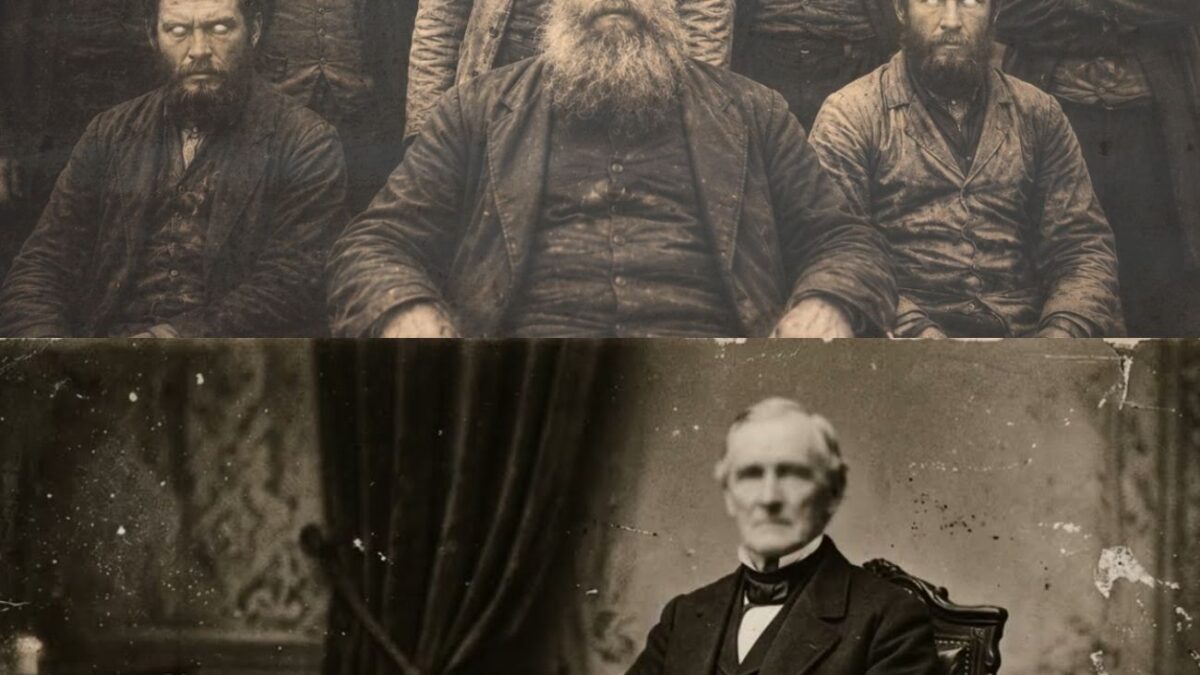
The Ainsley Clan of Drownwater Fork — America’s Most Wicked Mountain Family Finally Exposed
There is a remote, rust-colored creek tucked away in the southern Appalachian ranges known as Drown Water Fork, a place avoided by locals for generations due to the ominous reputation of the Aninsley family. Arriving before the turn of the nineteenth century, the family built an isolated compound that grew layer by layer, eventually acquiring an aura of fear so profound that even local clergy avoided speaking of them. The roots of this dark legacy trace back to Ezekiel Aninsley, who arrived in 1791 carrying a fringe theology imparted by a mysterious mentor named Josiah Cole. Cole’s teachings rejected civil authority and asserted that certain chosen bloodlines possessed absolute dominion and binding authority over their lands and anyone who entered them.
Ezekiel embraced this doctrine completely, establishing a fiercely guarded sanctuary where conventional laws did not apply. Over the decades, the family expanded its territory and began intercepting travelers, traders, and homesteaders who ventured too close to the hollow. These outsiders were captured and brought into a secretive building known as the keeping house, where they were subjected to forced labor, strict behavioral rules, and obscure rituals designed to absorb them into the clan. The family viewed these captives not as prisoners, but as souls undergoing reclamation through a strict covenant framework.
Following Ezekiel’s passing, leadership transitioned to his eldest son, Caleb, who enforced an even tighter seal around the compound, cutting off direct contact with the outside world and running the settlement with absolute hierarchical control. Despite occasional daring escapes by rare survivors who managed to slip away during harsh winters, the family’s practices continued largely unchecked. When Caleb died during the Civil War, a succession struggle erupted among his sons, ultimately leading to a violent power shift and the rise of Judah Aninsley. Under Judah’s rule, the internal atmosphere of the hollow grew increasingly severe, marked by harsh trials and escalated punishments that cemented the family’s isolation. Although nearby settlements repeatedly petitioned county authorities for investigations into the mysterious disappearances and threatening atmosphere surrounding the fork, the remote terrain and lack of direct evidence kept the authorities at bay, leaving the Aninsley clan to operate undisturbed within their secluded domain.

