A Welder Sprayed Brake Cleaner on Dirty Metal, Unknowingly Creating a Deadly Chemical Gas
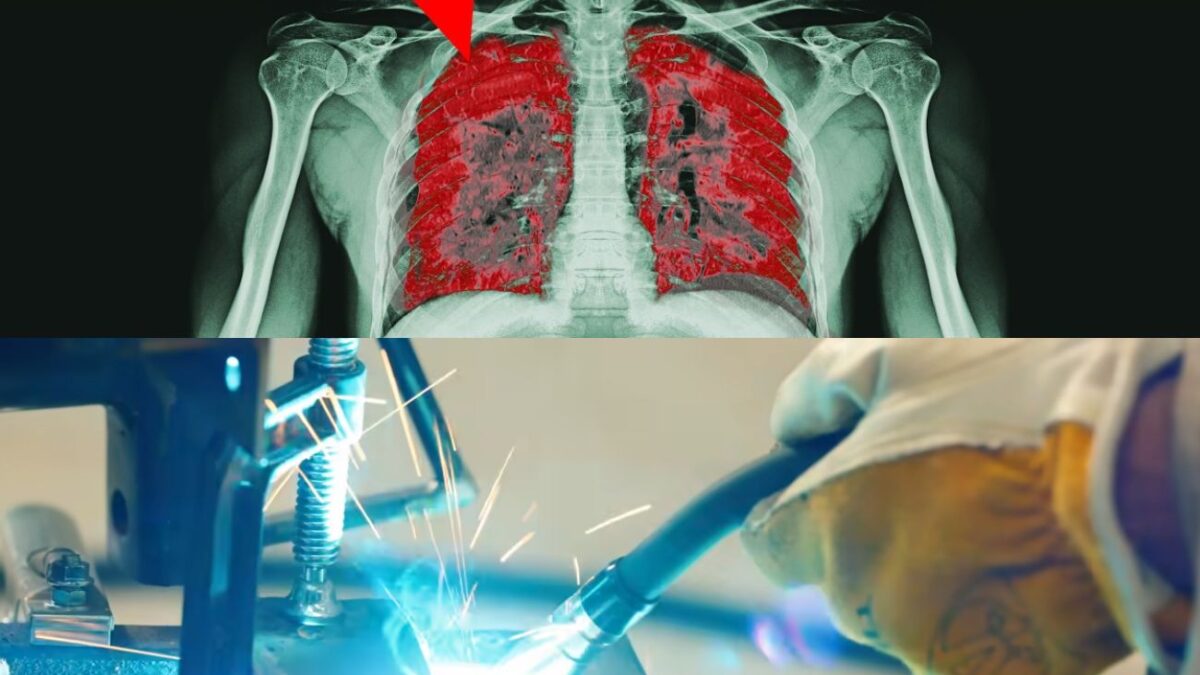
“It smelled funny while I was welding and now I can’t breathe…”
An Exciting Start to a New Craft
Learning a practical trade or hands-on DIY craft can be an incredibly rewarding experience. For 33-year-old SP, acquiring a new welding machine during a major sale opened up endless possibilities. Enthusiastic about creating custom steel structures and repurposing old metal scraps, he set up a workshop at home. His goal was straightforward: salvage rusted, greasy steel parts, clean them up, and weld them into useful household projects.
However, working with reclaimed steel presented a immediate challenge. Scrap metal from outdoor yards is often coated in heavy rust, dirt, and thick automotive grease. To achieve a strong weld, the metal surfaces must be thoroughly cleaned down to bare steel. While experienced metalworkers typically rely on mechanical abrasive wheels or dedicated grinding discs to remove surface contamination, SP decided to take a quick shortcut based on his prior automotive maintenance experience.
The Fatal Workshop Shortcut
Having worked on cars in the past, SP knew that solvent-based brake cleaners could instantly dissolve tough grease, oil, and grime. He sprayed generous amounts of brake cleaner onto the rusted steel, wiped the surfaces clean, and immediately struck an electrical arc to begin welding.
As the welding torch melted the steel, a unusual scent drifted through the workshop. Instead of the typical metallic smell associated with arc welding, the air smelled strangely like fresh rain and damp grass. SP experienced a temporary scratchy sensation in his throat and a mild burn, but the feeling quickly faded. Assuming the minor irritation was harmless, he continued welding various metal projects throughout the day, completely unaware that a catastrophic chemical process had been set into motion inside his lungs.
A Silent and Escalating Medical Emergency
Hours after finishing his work, SP began feeling an overwhelming sensation of chest heaviness. It felt as though fluid was rapidly accumulating inside his lungs, making every breath an agonizing struggle. Initially suspecting an allergic reaction to dust or new shop materials, he moved to another room, but his breathing continued to deteriorate. Gasping for air as his vision dimmed, he dialed emergency services and was rushed to the hospital.
Upon arrival at the emergency department, physicians observed severe agitation, high blood pressure, an abnormally rapid heart rate, and profound shortness of breath. Despite his obvious respiratory distress, an initial chest X-ray appeared deceptively clear. Because SP did not initially mention using brake cleaner while welding, medical staff suspected a severe asthma attack or hyper-reactive airway response.
As the hours passed, SP’s blood oxygen saturation plunged to dangerously low levels. Recognizing that his respiratory system was collapsing, doctors decided to perform emergency intubation and place him on a mechanical ventilator to assist his breathing. A follow-up chest X-ray taken shortly after intubation revealed a terrifying development: his lung tissue had become completely saturated with fluid, a condition known as acute pulmonary edema.
The Chemistry Behind the Disaster
The root cause of SP’s sudden collapse lay in the chemical composition of the brake cleaner he had used. Many heavy-duty automotive degreasers contain perchloroethylene (also known as tetrachloroethylene or “perc”), a chlorinated organic solvent prized for its ability to dissolve oils without water.
When perchloroethylene is exposed to extreme temperatures—such as the intense heat generated by an electric welding arc—and ultraviolet radiation in the presence of oxygen, it undergoes thermal decomposition. This chemical reaction converts the solvent into phosgene gas ($COCl_2$), an extremely toxic chemical compound.
Phosgene gas is notoriously insidious because it does not cause immediate, severe tissue destruction upon contact. When inhaled, it reacts slowly with the protective surfactant layer lining the alveoli—the tiny air sacs inside the lungs responsible for gas exchange. Over several hours, phosgene depletes essential cellular antioxidants like glutathione, breaks down lung proteins and lipids, and destroys the delicate cellular membranes separating blood vessels from airways.
As cell membranes rupture, the body’s immune system triggers a massive inflammatory response. Blood plasma and inflammatory fluids flood the alveolar spaces, effectively drowning the lungs from the inside out. Because this process occurs gradually over 12 to 24 hours, victims often feel relatively fine immediately after exposure, unaware that irreversible pulmonary damage is progressing.
A Devastating Outcome and Critical Safety Lessons
In the intensive care unit, medical staff administered high-dose intravenous steroids and specialized supportive treatments to reduce lung inflammation and restore cellular antioxidants. Despite these aggressive interventions, the chemical damage to SP’s lung architecture was too extensive.
Accumulated carbon dioxide caused severe blood acidity, which ultimately disrupted his heart’s electrical conduction system. Roughly 31 hours after inhaling the invisible fumes in his workshop, SP suffered fatal cardiac arrest triggered by profound oxygen deprivation and severe respiratory acidosis.
This tragedy highlights the paramount importance of chemical awareness and safety protocols in fabrication and DIY environments. Chlorinated solvents should never be used on metal surfaces that will be subjected to high heat, cutting, or welding. Welders must ensure proper shop ventilation, use mechanical cleaning methods like wire wheels or grinding discs when prepping dirty steel, and carefully review Safety Data Sheets (SDS) for all chemical products used in the workplace.

