A Man Drank 3 Scoops Horse Electrolytes And Unthinkable Horrors Were Discovered
A Desperate Search for Health
When 44-year-old HW arrived at the emergency room, he was visibly agitated, deeply confused, and suffering from a agonizing headache. Paramedics reported that he had suffered a full-body seizure at home, waking up with zero memory of where he was or what had transpired. His sudden collapse seemed like the dramatic culmination of months of deteriorating health. HW had been battling unrelenting fatigue, severe insomnia, body aches, and unexplained stomach pains accompanied by chronic nausea. Medical visits yielded few definitive answers, leaving him frustrated and searching for alternative remedies.
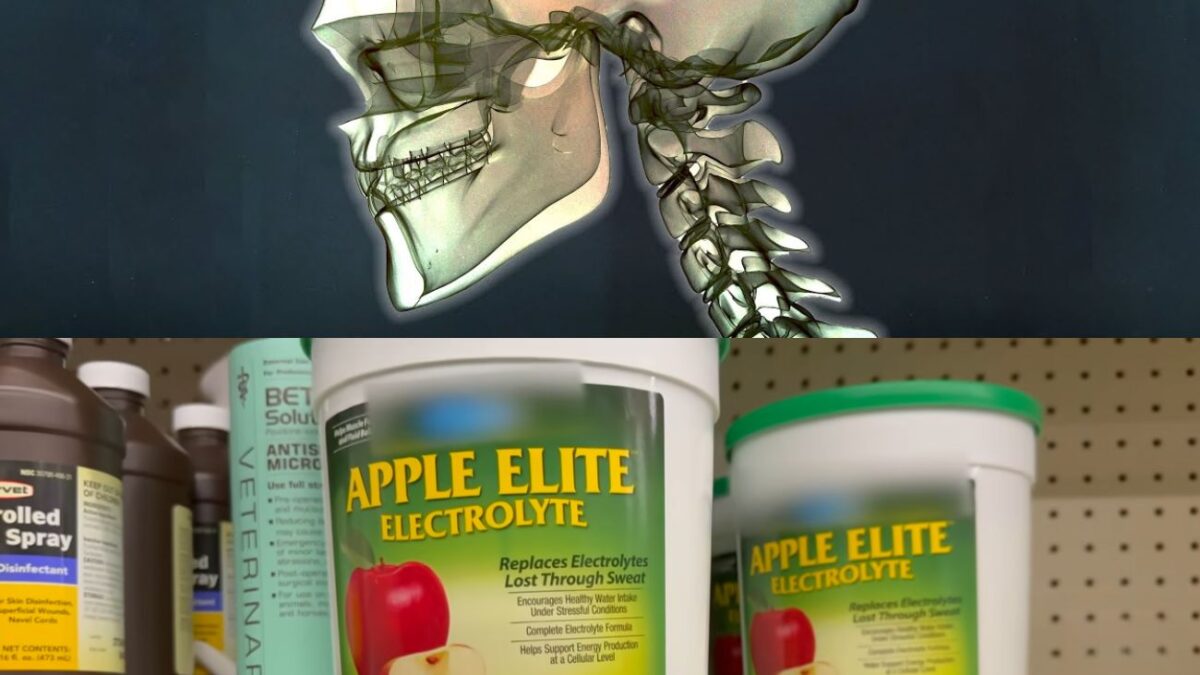
His search eventually led him to a local farm supply store. While browsing livestock products, he noticed concentrated horse electrolytes. Reasoning that horses are massive, powerful animals requiring optimal hydration, HW convinced himself that veterinary-grade electrolytes could revitalize his own energy levels. Influenced by online trends suggesting farm supplements could fast-track human recovery, he decided to test the product himself.
The Fatal Night of Excess
The situation escalated after HW reconnected with an acquaintance named Mike. After discovering they had both been betrayed by the same partner, the two men bonded over drinks. As the night wore on, conversation turned to hangovers and hydration. HW theorized that since alcohol acts as a severe diuretic, consuming massive doses of livestock-grade electrolytes would completely blunt the effects of alcohol and rejuvenate his body.
In a state of heavy intoxication, HW dumped an unknown quantity of horse salt—at least three massive scoops—into a glass of water and drank it. The extreme concentration of sodium burned immediately on the way down, leaving his stomach feeling as though it were on fire. Hours later, HW staggered out of bed, collapsed in the bathroom, and suffered a major seizure. Mike immediately called emergency services, setting off a high-stakes race against time in the ICU.
The Lethal Chemistry of Animal Supplements
Veterinary supplements differ drastically from human dietary products. While human supplements list strict per-serving nutrient quantities, animal supplements use wide ranges designed for creatures weighing well over a thousand pounds. When doctors calculated the nutritional load of three scoops of horse electrolytes, the figures were staggering.
While elements like copper, zinc, iron, and potassium were present, the sodium content was catastrophic. The formulation consisted of roughly 60% sodium compounds. Consuming three scoops delivered the equivalent of over one-third of a cup of pure table salt—well past the known lethal dose for an adult human.
Blood tests confirmed that HW was suffering from severe hypernatremia, an abnormally high concentration of sodium in the bloodstream. Because water naturally flows toward high concentrations of salt through osmosis, the excessive sodium in HW’s blood was actively pulling fluid out of his internal organs, including his brain. As his brain shrank inside his skull, blood vessels faced severe tension, putting him at extreme risk of brain bleeding, permanent neurological damage, or fatal coma.
A Delicate Medical Dilemma
Treating hypernatremia requires precision. To stop fluid from draining out of organs, physicians must introduce lower-sodium fluids into the patient’s system. However, if the brain has already adapted to high salt levels by pumping in organic solutes to maintain its volume, lowering blood sodium too rapidly can cause water to rush back into brain cells, leading to catastrophic swelling or osmotic demyelination syndrome—a condition that destroys the protective myelin sheath surrounding nerve cells.
Doctors carefully rehydrated HW, successfully bringing his blood sodium levels back to normal over several days. Yet, despite his normalized blood work, HW remained unresponsive, staring blankly into space and demonstrating diminished physical reflexes, severe instability, and loss of sensory perception in his legs. Initial MRI scans showed no obvious signs of demyelination, leaving the medical team with a baffling mystery: if the horse electrolytes were cleared, what was causing his lingering neurological failure?
Uncovering the True Invisible Threat
Determined to find the underlying cause, doctors turned their attention to HW’s chronic stomach pain. An endoscopy revealed deep gastric ulcers. While extreme salt ingestion can cause severe mucosal burns, these ulcers looked pathologically distinct. A biopsy ruled out common bacterial causes like Helicobacter pylori.
Next, specialists performed a lumbar puncture to analyze his cerebrospinal fluid, finding low glucose, elevated protein levels, and abnormal white blood cell counts. Re-examining the tissue biopsy with specialized cellular staining finally cracked the case: microscopic examination revealed spiral-shaped bacteria surrounding white blood cells.
HW was diagnosed with advanced neurosyphilis caused by Treponema pallidum. The systemic infection had been silently progressing in his body for months or years, responsible for his pre-existing stomach ulcers, skin spots, chronic insomnia, and progressive nerve degeneration. The acute salt overload from the horse electrolytes had triggered the initial seizure, but it was the hidden, neuroinvasive bacterial infection that was actively destroying his nervous system.
Recovery and Vital Lessons
Once the true diagnosis was established, the medical team immediately administered high-dose intravenous penicillin. By the sixth day of targeted antibiotic therapy, HW began showing remarkable progress. His cognitive clarity returned, his appetite stabilized, and his nerve reflexes began to recover. By day 14, his condition had improved enough to plan for his discharge.
This extraordinary case serves as a stark reminder of two critical health realities. First, agricultural products and livestock supplements are formulated exclusively for animals and can cause fatal toxicity when consumed by humans. Second, sudden health crises can sometimes mask underlying, slow-moving chronic conditions that require rigorous medical investigation to diagnose and cure.

