Disgusting Truths of Being a Wife in the Victorian Era
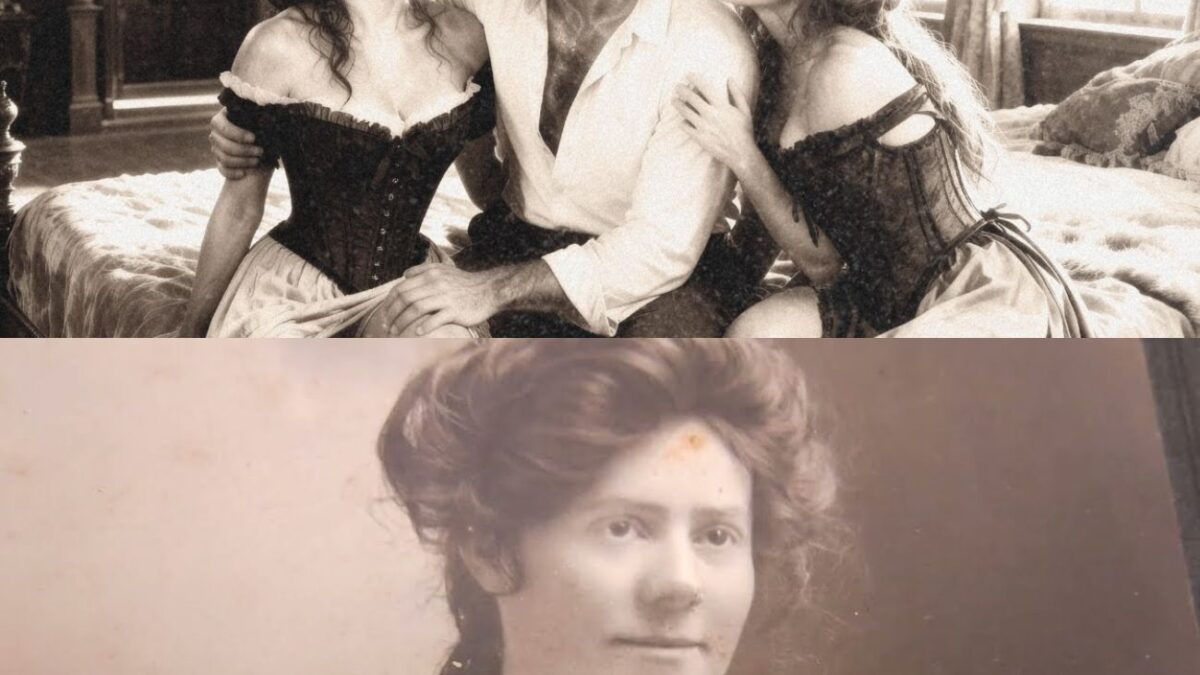
The morning mist hung low over the rooftops of Victorian London as a young bride stood motionless before her dressing table mirror. Her pale reflection seemed almost ghostly in the dim light filtering through heavy drapes. She took a slow, labored breath that carried the bitter, metallic tang of the tonic she had swallowed only minutes before.
Her mother had insisted on that tonic for months, promising it would bestow the fashionable translucence demanded of a proper bride. White lead paint had been meticulously layered over her cheeks and neck to conceal every flaw, masking youth behind a cold, porcelain mask. Beneath her gown, stays of bone and steel compressed her ribs, ensuring her waist remained narrow while freezing her internal organs into agony.
She was barely twenty years old on this autumn morning, poised upon the threshold of what polite society celebrated as her supreme fulfillment. Yet by nightfall, the law of the land would decree that her legal existence, her name, and her very body no longer belonged to her. The golden cage awaiting her was praised from every church pulpit, but behind its velvet curtains lay an existence steeped in quiet horror.
Outside her bedchamber, the awakening household stirred with the familiar rhythms of domestic life. The coal smoke from thousands of chimneys already seeped through the window sashes, mingling with the grease-laden odor of tallow candles. A dull heaviness settled over the room, an all-pervading dampness that clung to carpets, bed-hangings, and the woolen skirts piled beside the washstand.
Downstairs, the iron kettle rattled over a sluggish hearth as preparations began for the family’s weekly washing ritual. Cleanliness in this era was not a matter of private refreshment, but a rigid domestic hierarchy enforced with cold precision. The master of the house took his bath first in the portable tin tub, soaking in steaming, pristine water brought up by the servant.
When he stepped out, his sons took their turns in the cooling basin, splashing away the grime of the city streets. Next came the daughters, watching the liquid turn cloudy and yellow as soap residue coagulated against the tin sides. Only at the very end was the mistress permitted to climb into the tepid, gray soup that remained.
She would lower herself into a lukewarm sludge thick with dead skin, floating grease, and the accumulated dross of her family. Even in grander houses where maids hauled pails weighing forty pounds up narrow service stairs, fresh water was rarely drawn for the wife. To demand a clean tub for herself was deemed an intolerable extravagance, so she washed in the chilled remnants of another’s dirt.
The house itself offered no respite from the assault upon the senses, wrapped permanently in a foul, cloying atmosphere. The outdoor privy sat just paces from the kitchen larder, separated from the food preparation table by a single drafty wall. Beneath the floorboards of the scullery, brick drains frequently backed up, belching the sour rot of subterranean cesspools into the living quarters.
At night, the chamber pots tucked beneath the mahogany beds collected waste that sat stagnant through the dark hours. Damp woolens hung by the hearth never fully dried, exuding a sharp, fungal reek that burrowed into upholstery and curtains. Wealthier homes burned sweet beeswax, but ordinary folk endured tallow tapers that filled the parlors with the sickening smell of scorched animal fat.
Perfume was therefore never a mere indulgence of female vanity; it was an indispensable shield against nausea. The mistress of the house lived her life suspended inside this miasma, breathing air so thick with particulate that one could taste it. Visitors smiled and made polite conversation in parlors where the very wallpaper seemed to sweat with damp, unwashed decay.
When night finally came and the candles were snuffed, another quiet torment stirred within the master bed. Bedbugs nested deep within the crevices of the carved wooden headboards and the dense layers of dried horsehair stuffing. They emerged in the darkness, crawling across the coarse linen sheets to feed upon bare arms and exposed throats.
Housekeeping manuals treated these vermin not as a shameful scandal, but as an ordinary, recurring chore alongside silver polishing. Mothers wiped down bedframes with turpentine and vinegar, only for fresh swarms to hatch within the plaster walls days later. Lice passed freely from the children’s scalps into the feather pillows, leaving behind an inescapable, sweet-sour stench of infestation.
Every morning, the wife shook out the crawling bedding with bare hands, brushing away the crushed red smears on the bolsters. She learned not to flinch, not to cry out, and never to show disgust before her husband or her servants. It was merely another burden quietly absorbed into the endless fabric of what the era deemed her natural domestic sphere.
The kitchen, supposedly the hearth of maternal nurture, was secretly an apothecary of slow-acting poisons. Commercial competition and the absence of regulation meant that basic provisions were adulterated with toxic chemicals to stretch profits. Bakers kneaded powdered chalk, bone dust, and corrosive alum into flour to give stale loaves a bright, deceptive whiteness.
Jars of pickles gleamed with a vibrant, unnatural green achieved by steeping the vegetables in solutions of copper salts. Sugar was routinely stretched with plaster of Paris, while wheels of cheese received their rich orange hue from red lead. Even the tea leaves brewed each afternoon were frequently sweepings collected from warehouse floors, colored with Prussian blue and toxic copper compounds.
A mother who carefully selected groceries and cooked for her children was unwittingly feeding them lethal chemical mixtures. She stood over her iron range stirring puddings and broths, entirely unaware that the ingredients in her pantry were slowly poisoning her family. The law provided no protection, leaving the hearth as dangerous as the squalid alleyways that wound through the city.
When Monday morning arrived, the relentless physical brutality of the domestic routine reached its weekly peak. Laundry day was an ordeal that strained muscle and bone, beginning long before dawn in a freezing, cavernous wash house. Huge copper boilers were filled bucket by bucket, sending clouds of choking steam curling into the rafters.
The mistress or her weary drudge plunged raw hands into scalding water laced with caustic homemade lye. Bed linens, soiled napkins, and foul menstrual cloths were pummeled together with a heavy wooden dolly stick until shoulders burned with exhaustion. The harsh alkali stripped skin from the knuckles, leaving open cracks and chemical burns that never had time to heal.
The stench of boiling human waste, sweat-soaked flannel, and alkaline soap trapped inside the unventilated room was suffocating. Heavy wet sheets had to be dragged from the scalding copper and wrung out by hand until the wrists popped with strain. By the time the dripping wash was hoisted upon ropes in the garden, the woman was physically broken, only to repeat the cycle days later.
The daily handling of waste was another silent humiliation that fell squarely upon the shoulders of the household’s women. Indoor water closets were a luxury known only to the wealthiest estates for the greater part of the nineteenth century. In most homes, earthenware chamber pots collected the bodily waste of every occupant throughout the freezing nights.
Each morning, the wife or her young maid had to empty these vessels into a heavy, sloshing slop pail. The pail was carried downstairs by hand and dragged across the frostbitten yard to be dumped into the outdoor privy. In times of torrential rain, older urban cesspits backed up, forcing putrid brown water through scullery flags and into cellars.
The bitter, ammonia-laced smell of human waste lingered in the drafty bedchambers long after the floors were swept. The chamber pots were rinsed with a dash of cold well water, dried on a rag, and shoved back beneath the bed. There they waited for evening, a permanent fixture of domestic intimacy that no amount of lavender water could ever truly mask.
The physical decay of the Victorian woman was nowhere more visible than in the slow ruin of her own mouth. Across the nineteenth century, cheap sugar flooded the British market from the colonies, transforming diets and destroying dental health. Cavities were left to rot until the roots became infected, causing throbbing, relentless agony that lasted for weeks on end.
Visiting a barber-surgeon or an itinerant tooth-drawer meant submitting to crude iron forceps applied without anesthesia. The patient was held down in an ordinary wooden chair while teeth were broken from the jaw through sheer brute force. Repeated pregnancies accelerated this destruction, as morning sickness bathed the enamel in acid while calcium was stripped away to form fetal bone.
By her thirtieth year, a respectable matron often had a mouth filled with blackened stumps or completely bare, shrunken gums. The wealthy purchased expensive dentures fashioned from carved walrus ivory, but cheaper sets were made from human remains. Thousands of sound teeth were ripped from the corpses of young soldiers on battlefields like Waterloo and shipped home to London dentists.
To smile in a drawing room was to expose either the rotting wreckage of one’s own body or the plundered teeth of a dead stranger. Yet physical appearance remained the absolute currency of a woman’s worth, compelling her to pursue beauty at any cost. Beauty manuals urged young ladies to achieve a complexion of ghostly, ethereal pallor, signifying fragility and complete exemption from manual toil.
To achieve this sickly ideal, women coated their skin with creams heavily laced with toxic carbonate of lead. They swallowed complexion wafers made of arsenic, believing the deadly mineral would purify their blood and banish natural ruddiness. Drops of deadly nightshade, known as belladonna, were squeezed directly into the eyes to dilate the pupils into wide, luminous pools.
The chronic effects of this vanity were catastrophic: trembling hands, paralyzed wrist muscles, severe abdominal colic, and slow organ failure. The very symptoms of slow metal poisoning—the ashen skin, the wasted frame, the listless fainting spells—were celebrated as feminine delicacy. Society looked upon a woman being slowly destroyed by heavy metals and praised her for embodying the romantic spirit of the age.
Beneath the elaborate silk dresses, an internal violence was enacted daily upon the woman’s living skeleton. The Victorian corset was not merely an undergarment; it was an orthopaedic cage made of whalebone, steel, and unyielding cotton drill. Laced tight from childhood, it exerted immense pressure on the ribcage, bending the floating ribs inward toward the spine.
The stomach, liver, and intestines were forced downward into the pelvic basin, severely disrupting the natural process of digestion. The diaphragm was so restricted that a woman could only breathe using the very top lobes of her lungs, causing habitual shallow panting. The medical journals of the era were filled with autopsy accounts documenting livers deeply notched by the pressure of stays.
Chronic, crippling constipation became universal, fueling a massive industry of harsh commercial laxatives that lined the shelves of every chemist. A woman laced into her daily armor moved through the world in a state of constant, suffocating pressure and nausea. Modern fashion romanticizes the hourglass silhouette, forgetting the displaced organs and crushed lungs that paid for every single inch of lace.
This systemic denial of female biology was most agonizing during the monthly cycle of menstruation, an event cloaked in shame. Commercially manufactured sanitary napkins did not exist, leaving women to fashion homemade pads from old rags, flannel, or diaper cloth. These absorbent cloths were pinned to heavy webbing belts worn beneath multiple layers of starched petticoats and bulky crinolines.
When soaked, the coarse cloths chafed the inner thighs raw as the woman walked about her mandatory domestic duties. The soiled rags had to be washed in secret, hidden away from the eyes of brothers, fathers, and husbands who deemed the subject revolting. In freezing wash houses, wives scrubbed blood from stiff flannel with aching fingers, hanging the cloths in dark corners to dry out of sight.
Poor women who could not spare scraps of cloth stuffed their undergarments with wood shavings, raw sheep’s wool, or moss. Pain was to be endured in stoic silence, for to speak of menstrual cramps in polite society was considered an unforgivable breach of decorum. If the pain grew so incapacitating that a woman could not stand, the only comfort offered was a tincture of liquid opium.
The pervasive, suffocating ignorance surrounding the female body culminated on the night of the marriage ceremony itself. Middle-class girls were raised in complete innocence, deliberately shielded from any knowledge of human reproduction or anatomy. Mothers were cautioned by etiquette books never to enlighten their daughters, leaving brides entirely unprepared for the reality of the marital bed.
Conduct manuals offered vague, poetic generalities about female submission and the holy duties of Christian wifehood, conveying nothing of physical intimacy. Prominent medical writers argued confidently that refined women were naturally devoid of sexual desire, experiencing intimacy only as a sacred, sacrificial duty. The wedding night was frequently a scene of bewilderment, physical shock, and pain, as an ignorant girl was handed to a stranger.
In the eyes of English law, the concept of marital rape was completely nonexistent and legally impossible to commit. Upon reciting her vows, a wife surrendered her bodily sovereignty entirely, granting her husband an irrevocable legal claim to her person. Refusal was viewed as a violation of her holy vows, leaving her with no refuge, no legal recourse, and no right to protest.
When conception inevitably followed, the physical ordeal of pregnancy was met not with modern medicine, but with nineteenth-century quackery. Severe morning sickness was viewed not as a hormonal fluctuation, but as an imbalance of the nervous system requiring aggressive chemical intervention. Physicians routinely prescribed tonics containing calomel, a toxic compound of mercury that caused profuse salivation and tooth loss.
Other popular remedies included bismuth salts, toxic solutions of lead, and micro-doses of strychnine intended to stimulate sluggish vital forces. When nausea became relentless, doctors turned freely to heavy doses of laudanum, soothing the mother’s stomach while dosing the developing child with narcotics. Obstetric treatises recommended these horrific concoctions in matter-of-fact prose, and apothecary shops dispensed them without warning or hesitation.
The pregnant mother swallowed these poisonous drafts in good faith, trusting the bearded doctor who assured her they would calm her bile. Many miscarriages, stillbirths, and maternal deaths attributed to mysterious natural causes were in truth the direct result of medical poisoning. The nursery was scarcely safer than the medicine chest, often draped in fabrics and wall-coverings that slowly poisoned everyone within.
During the mid-Victorian era, a brilliant green dye known as Scheele’s green captured the imagination of fashionable decorators and manufacturers. Made from a chemical compound of copper arsenite, this vivid emerald pigment was applied to wallpaper, children’s toys, and evening gowns. In the damp climate of the British Isles, fungi growing on the wallpaper paste metabolized the arsenic, releasing deadly gas into the bedrooms.
Medical inspectors eventually discovered that families were being systematically poisoned in the very rooms where they sought sanctuary and rest. Children wasted away with mysterious stomach ailments and failing breath while their mothers suffered from constant headaches, vomiting, and sores. The women spent the greatest number of hours confined indoors, inhaling the toxic arsenical dust that drifted continuously from the floral walls.
Even prominent artists who used the dye in their fashionable designs dismissed the danger, claiming the public panic was entirely unfounded. In the nurseries of great London mansions, infants slept peacefully beside walls that dusted their cribs with lethal green powder every night. Death was built directly into the fabric of the home, cloaked in the brilliant colors of the era’s most admired aesthetic triumphs.
Yet the greatest single consumer of a Victorian woman’s vitality was the relentless, unending cycle of human reproduction. A respectable wife was expected to present her husband with an heir almost every single year of her fertile life. Six to eight deliveries was considered an ordinary household average, while many women endured ten, twelve, or even fifteen confinements.
Queen Victoria herself gave birth to nine children, privately confessing in her correspondence that she despised the animal indignity of the process. Each successive pregnancy drained calcium from the mother’s skeleton, depleted the iron from her blood, and stretched her pelvic tissues beyond recovery. Uterine prolapse, where internal organs collapsed downward into the vaginal canal, became an agonizingly common consequence of multiple unassisted births.
Without modern surgical interventions, women were forced to wear crude rubber or metal pessaries to physically hold their organs inside them. Contraception was not merely difficult to obtain; it was condemned from the pulpit as a moral abomination and an insult to God. When reformers attempted to publish simple educational pamphlets on birth control, they were arrested, dragged before courts, and prosecuted for criminal obscenity.
The physical trauma of nursing compounded the misery of those women whose bodies were given no time to heal between births. Mastitis, an agonizing bacterial infection of the milk ducts, frequently struck down nursing mothers with high fevers and red, swollen breasts. If the infection went untreated, it quickly progressed into deep, throbbing abscesses that made the slightest touch feel like fire.
The standard surgical remedy of the period was brutal in its simplicity: the inflamed breast was lanced open with a scalpel. Because anesthesia was viewed as dangerous or morally questionable for minor domestic surgery, the mother was held down on her bed while awake. The infected cavity was sliced open, drained, packed with strips of rough gauze, and left to heal through agony.
Wealthier families engaged wet nurses from the working class, effectively shifting the burden of infant feeding and its hazards onto poorer women. But for the ordinary wife, there was no escape from the demands of the nursing child pulling upon cracked, bleeding flesh. Once the wound closed, the baby was put back to the breast, and the mother wept into her pillow as the torment resumed.
Even more horrifying were the catastrophic internal injuries that frequently accompanied the rough, unassisted deliveries of the time. In cases of obstructed labor, where the infant’s head pressed against pelvic bone for days, the mother’s soft tissues simply died. When the dead tissue sloughed away, jagged fistulas opened between the birth canal, the bladder, and the rectum.
The consequence was permanent, uncontrollable incontinence, leaving the woman leaking urine and fecal matter continuously down her legs for the remainder of her life. The corrosive bodily fluids scalded her skin, causing painful ulcerations that made walking, sitting, and basic movement an ongoing torment. The odor was completely impossible to conceal, turning the afflicted woman into an outcast within her own household and social circle.
Early surgical attempts to repair this condition were pioneered by surgeons who operated repeatedly upon powerless, unanesthetized patients. In England, such reconstructive operations were prohibitively expensive, accessible only to the wealthy few who could afford private hospital fees. For the vast majority of working wives, a childbirth tear was a life sentence of rotting bandages, agonizing skin, and total domestic exile.
To survive the sheer physical devastation of their daily lives, countless women turned to the quiet, sanctioned oblivion of narcotics. Tinctures of laudanum—opium dissolved in proof alcohol—could be purchased for pennies at any corner chemist without a prescription or registry entry. It was promoted as a sovereign panacea for coughs, headaches, insomnia, female hysteria, and the deep, chronic pelvic pain of motherhood.
A mother could soothe her crying baby with drops of Godfrey’s Cordial while slipping several drams of pure laudanum into her own afternoon tea. The high-street druggist asked no questions, wrapping the brown glass bottles alongside blocks of soap and packets of baking soda. Dependency established itself swiftly, tightening its grip upon the nervous system while leaving no visible marks of dissipation upon the exterior.
Thousands of seemingly placid Victorian wives sat in quiet parlors, appearing impeccably modest while privately functioning under the influence of heavy opiates. When the drug wore off, the brutal tremors of withdrawal were dismissed by attending physicians as constitutional female weakness or simple nervous collapse. The universal medical solution for this manufactured crisis was simple and lucrative: the doctor wrote another prescription for more laudanum.
When the mind cracked under the compounded strain of pain, poison, and unremitting domestic servitude, society offered only the asylum. What is recognized today as severe postpartum depression or psychosis was categorized under the catch-all diagnostic label of puerperal insanity. A new mother who could not cease weeping, who refused food, or who expressed dread toward her newborn was judged legally mad.
Under the provisions of the Lunacy Acts, committal to an asylum required merely the signatures of her husband and a single practicing physician. A man seeking to rid himself of an invalid or inconvenient wife possessed the legal authority to sign away her freedom indefinitely. Once she was surrendered through the heavy iron gates of the asylum, the woman vanished into a system that offered no appeal.
The therapeutic treatments within these institutions were designed to enforce complete behavioral subjugation rather than bring about genuine psychological healing. Patients were submerged for hours in freezing baths, strapped down in unpadded leather restraint chairs, and held in solitary confinement. Some women managed to endure the isolation and were eventually discharged, but vast numbers spent their remaining days staring at institutional whitewashed brick.
Underpinning this entire domestic nightmare was the towering legal fortress of English common law, known formally as the doctrine of coverture. Under this centuries-old principle, a woman’s independent legal personality was entirely extinguished upon the moment of her marriage ceremony. She and her husband became a single entity in the eyes of the law, and that singular entity was the husband alone.
A Victorian wife was legally barred from owning real property, writing a binding will, or signing a contract in her own name. Any wages she earned through physical toil belonged automatically and entirely to her husband, who could claim them without her consent. Even the clothes upon her back, the wedding band on her finger, and the children she bore were legally his property.
If she attempted to escape an abusive or unlivable home, the police were legally bound to seize her and return her to him. A husband possessed the lawful right to lock his wife in her bedroom, restrict her visitors, and intercept her private postal correspondence. It was not until the hard-fought Married Women’s Property Acts of the late Victorian era that wives gained partial control over their own money.
Yet the greatest, most perilous vulnerability of a woman’s entire existence was preserved for the room she was told was the most sacred. The lying-in chamber, where a woman entered to bring forth new life, was the undisputed slaughterhouse of the nineteenth century. And the person who carried destruction into that sunlit room was the celebrated medical professional she had paid to save her.
Puerperal fever, known simply and dreadfully as childbed fever, was a savage bacterial infection that struck women within days of giving birth. It began with sudden, violent chills that shook the bed, followed by soaring fevers, blinding headaches, and severe abdominal swelling. Within hours, the uterine cavity filled with pus, the blood grew toxic with bacteria, and agonizing peritonitis claimed the woman’s life.
During this era, prominent physicians moved briskly between hospital dissection theaters and the private bedrooms of laboring mothers. Before the wide acceptance of germ theory, these doctors dissected putrefying corpses, wiped their hands on stained frock coats, and hurried to deliveries. They carried invisible particles of decomposing dead tissue on their fingers, introducing deadly streptococcal bacteria directly into raw, torn birth canals.
A generation of medical men considered dirty hands and blood-encrusted coats to be the honorable badges of an active, bustling practice. When pioneering doctors demonstrated that simply washing hands in chlorinated lime water virtually eliminated the fever, they were mocked by the medical establishment. The elite physicians of London and Edinburgh refused to believe that gentlemen could possibly be the agents of filth and maternal death.
So the doctors continued to arrive at the homes of hopeful families, walking into the quiet bedchambers with clean linens and smiling faces. They took the hand of the laboring mother, offered reassuring words to the anxious father, and delivered the infant with contaminated hands. Within three days, the frantic ringing of the bedroom bell announced that the fever had begun its fatal, unstoppable work.
The woman who had obeyed every law of God and society lay burning in her sheets, destroyed by the very science meant to protect her. Her body became a foul battlefield of septicemia, her mind delirious with fever, until her heart finally gave out before the week was through. The widower closed her staring eyes, comforted by the solemn doctor who murmured that the mysterious will of Heaven had claimed another angel.
The modern heritage industry has spent more than a century scrubbing the genuine reality of the Victorian domestic world from the historical imagination. Period dramas fill screens with shimmering satins, picturesque horse-drawn carriages, and soft candlelit parlors where handsome gentlemen court demure, healthy maidens. Historic country houses welcome millions of tourists every summer to admire gilded dining salons, while the blood-soaked lying-in rooms remain locked away.
The popular cultural aesthetic borrows the corsets, the lace collars, and the dark romance of the nineteenth century as an idealized vision of elegance. But that polished veneer was built directly upon the silent agony, physical ruin, and legal subjugation of millions of forgotten women. The true history of the Victorian wife was not a quiet romance played out in a sunlit drawing room among delicate porcelain teacups.
The reality was the choking grease of tallow candles, the crawling vermin beneath the sheets, and the slow poison in the morning bread. It was the crushing steel that bent the ribs, the unwashed hands of the physician, and the legal extinction of female selfhood. The bride who stood before that mirror on her wedding morning was entering a system designed to consume her body, piece by piece.
She stood there in her white gown, poisoned by her cosmetics, bound by her stays, and kept completely ignorant of the life ahead. Her society called her existence blessed, yet her survival was an everyday miracle against a world that slowly and methodically devoured her. Behind the heavy velvet curtains and the polite smiles of the Victorian age lay an empire built upon her silence and her pain.

