A Woman Drank 1 Liter Soy Sauce Colon Cleanse In 2 Hours. This Is What Happened To Her Brain.
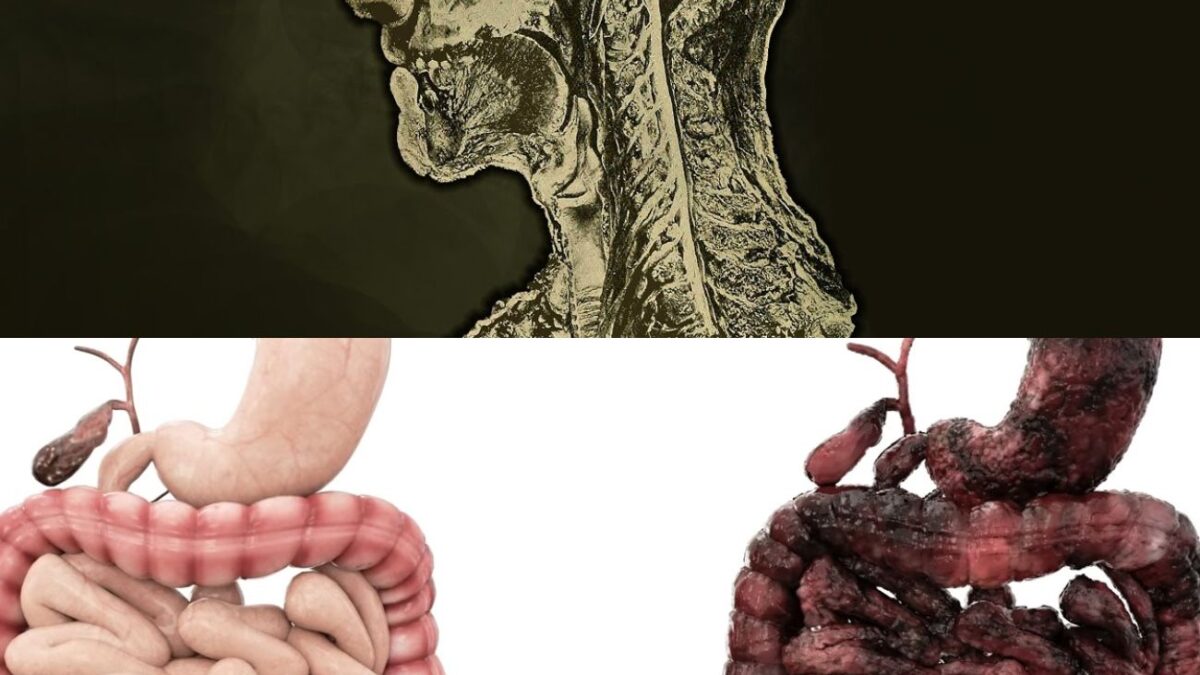
A thirty-nine-year-old woman, known in medical records as CG, was rushed into the emergency department on a bleak afternoon. Her husband, Julio, paced through the triage bay in a state of sheer panic, clutching his head with trembling hands. Minutes earlier, inside the roaring cabin of an ambulance, his wife’s pulse had evaporated and her heart had completely stopped.
Paramedics had managed to regain spontaneous circulation after intense chest compressions, yet her consciousness remained deeply impaired. She lay flat on the stretcher, eyes half-open, breathing erratically through an oxygen mask while clinical monitors sounded off. Her clinical decline was happening at a terrifying pace, confounding the immediate admitting staff who had little context to work with.
Julio desperately attempted to piece together the chaotic backstory for the physicians as they cut away her sweat-soaked clothes. He explained that CG had not been well for months, having grown increasingly frail, anxious, and deeply suspicious of the outside world. Over the past three weeks alone, she had unintentionally shed twenty-five pounds, leaving her gaunt frame visibly hollow and weak.
Her recent dietary history painted a startling portrait of severe restriction, persistent malnutrition, and deteriorating physical resilience. Roughly six months prior, she had abruptly eliminated almost every food group from her daily meals, consuming only white bread and canned fish. This extreme, monotonous diet had rapidly culminated in profound iron deficiency, chronic fatigue, and severe widespread vitamin deficiencies.
Her psychiatric state had mirrored her deteriorating physical health, plunging her into a frightening spiral of unshakeable paranoia. She had recently been discharged from an inpatient psychiatric facility where clinicians diagnosed her with refractory paranoid schizophrenia. Every medication prescribed to quell her relentless delusions had utterly failed to alter the frightening convictions gripping her fragile mind.
CG had become entirely convinced that shadowy government operatives were actively targeting her home and systematically poisoning her. She believed that synthetic toxins had accumulated within her digestive tract, steadily radiating outward to sabotage her entire existence. Desperate for salvation, she isolated herself at her computer desk, seeking unconventional remedies to undo the perceived biochemical attack.
Late into the night, she navigated obscure web forums until discovering a viral health fad claiming to perform an absolute colon cleanse. The instructions boldly promised that anyone who drank an entire liter of common dark soy sauce within two hours would be cured. The text assured readers that this rapid purge would draw out every accumulated chemical toxin, cleansing the body from the inside out.
In reality, the widely circulated post was a malicious internet hoax engineered by online trolls seeking twisted amusement at the expense of others. Those who fabricated the meme understood that desperate or vulnerable people might actually fall prey to its lethal culinary challenge. To an uncompromised mind, consuming that volume of salty sauce seemed unthinkable, but to CG’s delusional reality, it offered life-saving salvation.
Soy sauce is a fermented brew derived from soy, roasted wheat, and water, but nearly one-fifth of its total composition is dissolved sodium chloride. The troll website had cloaked its lethal premise in a deceptive shred of scientific logic that sounded intuitively reasonable to the desperate woman. The post asserted that water always flows toward salt, so flood the bowel with brine and toxic water will be forcefully drawn out.
Seduced by this flawed mechanical promise, CG gathered several bottles of commercial soy sauce from her kitchen cabinets and lined them up. She poured the dark, opaque liquid into large drinking glasses, steeling her resolve against the overpowering, pungent aroma rising into the air. With agonizing determination, she swallowed glass after glass over two grueling hours, willfully ignoring her throat’s burning objections.
She drank every single drop of the entire one-liter volume, convinced that a radical internal rebirth was already taking place within her belly. To prevent the imagined biological purge from becoming diluted, she steadfastly refused to take even a single sip of regular tap water. She climbed into her vehicle to drive across town, convinced that her profound suffering was simply physical proof of the cleansing process.
Almost immediately, her heart began to flutter against her ribs like a trapped bird, beating with rapid, irregular, and frantic palpitations. Sharp, prickly sensations of pins and needles spread outward across the tips of her fingers, traveling rapidly up both of her forearms. Similar painful paresthesias gripped the soles of her feet, making the simple act of pressing down on the accelerator pedal disorienting.
Fifteen minutes into the drive, violent gastrointestinal cramps struck her abdomen with such unrelenting fury that she gasped aloud for breath. She jerked the steering wheel, pulled her car roughly onto the gravel shoulder of the highway, and rested her head on the wheel, sobbing. Her stomach was knotting into painful spasms, yet through the tears, she convinced herself that the theoretical cleansing had successfully begun.
Reaching her home by sheer force of will, she stumbled through the front door, bumping awkwardly against the entry hallway walls. Her vision had started to warp, transforming familiar doorways into curving, dizzying corridors of shifting shapes and blurring, indistinct colors. Julio rushed toward her in astonishment, asking what was wrong, but CG could only offer garbled syllables and disjointed, slurred phrases.
Seeing her stagger sideways, Julio caught her around the waist and guided her trembling body into their bedroom, laying her across the mattress. She mumbled incoherently into the pillows, her eyes rolling upward toward the ceiling as her consciousness continued to fray and drift away. Julio stepped away into the adjacent bathroom for less than ninety seconds to grab a damp washcloth to cool her feverish, glistening forehead.
A deafening crash echoed from the kitchen, accompanied by the sharp sound of shattering ceramic plates and metallic utensils striking the floor. Julio sprinted down the hallway to find his wife sprawled face down across the linoleum, completely limp, unresponsive, and ominously pale. He dropped to his knees, turned her onto her back, and dialed emergency services, screaming for an ambulance as her breathing slowed.
When paramedics arrived, CG was non-responsive to sternal rubs, and during transport, her cardiac monitor suddenly collapsed into a flatline. Paramedics immediately initiated aggressive chest compressions, establishing an advanced airway and delivering bag-valve ventilation on the fly. Through rapid defibrillation and rescue medications, they managed to revive a faint sinus rhythm just as the ambulance pulled into the hospital bay.
The emergency physicians immediately recognized the hallmark signs of an acute metabolic catastrophe occurring within her vascular network. Her serum sodium level came back from the laboratory at a staggering, life-threatening value far beyond any normal human physiology. The presenting diagnosis was unmistakable: profound acute hypernatremia, denoting an overwhelmingly dangerous concentration of sodium within her bloodstream.
To understand the sheer magnitude of this disaster, one must examine the precise biochemical architecture of the term hypernatremia itself. The prefix hyper denotes an abnormally high state, natri traces back to natrium—the Latin name for elemental sodium—and emia signifies blood. Acute indicates that this sudden physiological spike arose not from chronic internal dysfunction, but from an external, rapid chemical insult.
A typical single fifteen-milliliter tablespoon of standard soy sauce contains approximately two and a half grams of dissolved sodium chloride. Medical science indicates that the recommended safe daily dietary intake of sodium chloride for an adult human is approximately 5.8 grams. A historically lethal threshold capable of killing an average adult human outright sits at approximately forty grams of total salt.
The one-liter bottle of dark soy sauce that CG had forced down her throat in two hours delivered over two hundred grams of salt. That astronomical dose was more than five times the universally acknowledged lethal amount, introducing eighty thousand milligrams of sodium. To ingest that much sodium through ordinary food, a person would have to eat approximately ten pounds of cooked bacon in a single sitting.
The internet troll post had operated on the quintessential golden rule of successful misinformation: anchor the lie with an undeniable truth. By beginning with a fundamental law of physics and chemistry, the perpetrators created an air of undeniable scientific legitimacy. The scientifically accurate premise was clear: water does indeed naturally migrate across semi-permeable membranes toward areas of high sodium concentration.
This movement is dictated by tonicity, a biological concept derived from the ancient Greek word tonos, describing stretching and hydrostatic tension. When salt dissolves in water, it creates an osmotic gradient that exerts tension, drawing nearby water molecules across boundaries to balance concentrations. Hypotonic solutions, possessing lower solute concentrations, will inevitably move toward hypertonic environments until reaching an isotonic equilibrium.
While the fundamental physics of fluid movement are undeniably true, every biological deduction the internet forum made from them was horrifyingly false. The fraudulent post falsely claimed that the ingested soy sauce would pool harmlessly within the colon and pull toxins across the gut lining. In human anatomy, however, swallowed liquids do not simply teleport into the large intestine; they enter the stomach and small intestine first.
As the massive volume of hypertonic brine entered CG’s stomach lumen, it acted like a relentless chemical sponge within her midsection. Water was violently sucked out of the vascular lining and smooth muscle of her gastric wall, explaining her excruciating, tearful cramps. Rather than remaining contained, the fluid moved into the duodenum and jejunum, where sodium ions quickly crossed into her systemic bloodstream.
Within minutes, an ocean of sodium chloride invaded her circulatory vessels, turning her flowing plasma into a hypertonic death trap. As this hyper-concentrated blood circulated to her internal organs, the osmotic gradient reversed the normal distribution of body water entirely. Instead of feeding her tissues, the circulating blood began violently drawing cellular water out of every single organ it touched.
Her kidneys dried out rapidly as nephrons were stripped of the hydration required to maintain glomerular filtration, sending her into acute renal failure. Her circulating blood volume simultaneously swelled with displaced cellular water, causing immense hemodynamic strain across her cardiovascular system. The sudden volume overload and profound electrolyte disturbances disrupted cardiac electrical conduction, triggering the cardiac arrest in the ambulance.
While skilled paramedics successfully restarted her heart through CPR, a far more sinister and irreversible process was unfolding inside her skull. Human brain tissue is exceptionally sensitive to sudden shifts in serum osmolality because brain matter is encased within an inflexible bone vault. As hypertonic blood surged through the cerebral arteries, it extracted intracellular water directly out of the microscopic parenchyma of the brain.
The brain literally began to shrink, shriveling like a dehydrated fruit as billions of cells surrendered their vital intracellular volume. This dramatic volume reduction pulled cortical tissue away from the interior surface of the cranium, straining delicate bridging cerebral veins. As these stretched vessels collapsed or ruptured, blood flow ceased, initiating small strokes and depriving surrounding neurons of necessary oxygen.
When CG reached the intensive care unit, she was comatose, but her pupils were still minimally reactive, giving clinicians a sliver of hope. Because her vascular collapse had occurred very recently, her critical care physicians recognized that she might not yet have suffered complete cortical death. The immediate clinical objective was straightforward in theory yet delicate in practice: dilute the toxic sea of sodium suffocating her cells.
Under normal physiological conditions, human intracellular fluid maintains an isotonic balance equivalent to approximately 0.9% sodium chloride. By sharp contrast, the soy sauce that had invaded CG’s body had introduced a solution containing twenty percent salt concentration. The attending medical team needed to infuse hypotonic fluids into her venous line to systematically dilute the towering serum sodium levels.
They administered five liters of sterile water combined with five percent dextrose, an intravenous fluid commonly referred to in medicine as D5W. Once inside the bloodstream, somatic cells metabolize the dextrose sugar into energy, leaving pure, solute-free water behind in the plasma. They also infused an intravenous solution containing half-normal saline, providing 0.45% sodium chloride to gradually soothe the hyperosmolar state.
Over the subsequent seventy-two hours, the intensive care team meticulously monitored her vitals, celebrating what appeared to be an astonishing recovery. Her serum sodium gradually returned toward normal physiological baselines, and her failing kidneys slowly regained the ability to produce clear urine. CG opened her heavy eyelids, recognized Julio standing tearfully at her bedside, and faintly whispered a fragile greeting before drifting back to sleep.
Everything seemed to suggest that modern critical care medicine had successfully dragged the young woman back from the precipice of death. Julio wept with profound gratitude, believing that the horrific nightmare of the soy sauce cleanse was finally behind them for good. Tragically, this brief period of clinical stabilization was merely the quiet eye of a catastrophic, delayed-onset neurological storm.
Four days after her sodium levels were stabilized, a nurse entered the intensive care unit room to complete a routine neurological exam. CG was lying awake, her eyes wide open, but when the nurse commanded her to squeeze her fingers, CG’s hands remained motionless. The nurse instructed her to lift her legs or nod her head, but her body remained completely flaccid, frozen in place.
When asked to state her name, CG parted her lips, but not a single intelligible word or coherent vocalization emerged from her mouth. Her eyes darted frantically around the room, full of terror, demonstrating that she was mentally present but trapped inside a non-functioning vessel. An urgent emergency neurology consultation was called to her bedside to perform an exhaustive, immediate cranial nerve and motor evaluation.
The neurologist documented profound dysarthria, an impairment in speech articulation derived from the Greek terms dys, meaning wrong, and arthron, articulation. This was accompanied by severe dysphagia, an inability to swallow saliva, and complete, devastating flaccid quadriplegia across all four limbs. The prefix quadri stems from the Latin for four, while plegia derives from the Greek for struck down or paralyzed.
Flaccid indicated that her muscles lacked all motor tone, hanging loose and limp rather than exhibiting the spastic stiffness typical of stroke. The absence of unilateral weakness strongly suggested that she had not suffered a conventional focal hemispheric ischemic stroke from a clotted artery. Her brain retained conscious awareness, yet every descending motor instruction was completely blocked from reaching the muscles of her body.
An urgent high-resolution magnetic resonance imaging scan of her head was performed to visualize the microscopic architecture of her brainstem. The MRI scans illuminated a distinct, tragic lesion located squarely in the lower midsection of her brain, confirming central pontine myelinolysis. This rare neurological disorder involves the sudden destruction of the myelin sheath that insulates nerve fibers traversing the central pons.
The pons acts as the central information bridge connecting the higher cerebral motor cortex directly to the spinal cord and peripheral nerves. When the protective myelin sheath disintegrates, electrical conduction across the axonal highways halts completely, severing the brain from the body. This devastating finding revealed that a catastrophic misstep had unfolded during the biochemical correction of her towering blood sodium.
When the human brain experiences severe, acute hypernatremia and starts to shrink, it activates desperate evolutionary survival mechanisms to preserve cell volume. To resist losing all its vital water to the hypertonic blood, brain cells actively pump inorganic sodium ions directly into their cytoplasm. To safeguard their structure further, neurons also synthesize and draw in organic osmolytes, including myo-inositol, taurine, and glutamate.
These newly concentrated internal particles increase intracellular osmolality, allowing brain cells to pull water back in and maintain their cellular shape. However, this protective cellular defense creates a precarious biochemical vulnerability if systemic blood parameters change too abruptly or too late. If clinicians dilute hypernatremic blood too rapidly with hypotonic water, free water immediately rushes back into the salt-packed brain cells.
This sudden, uncontrolled fluid influx causes massive cerebral edema, swelling the brain tissue violently until it crushes against the rigid skull. In CG’s case, her brain was not swollen on imaging, ruling out simple massive cerebral edema as the cause of her quadriplegia. Instead, her neurological demise was driven by the alternative danger associated with osmolyte clearance and late hypernatremic correction.
The organic osmolytes that brain cells hoard to survive dehydration cannot be cleared quickly when systemic sodium levels are corrected. If brain dehydration is corrected after these biochemical defenses have locked into place, an intense cellular metabolic crisis is triggered. The delicate oligodendrocytes—the specialized glial cells responsible for creating and maintaining the protective myelin sheath—experience catastrophic metabolic breakdown and cell death.
This structural collapse cascades into central pontine myelinolysis, leaving the patient completely paralyzed yet fully conscious, known as locked-in syndrome. CG could see the fluorescent lights above her bed and hear Julio sobbing, but she was utterly powerless to squeeze his trembling hand. The tragic reality of severe hypernatremia is that late intervention almost universally culminates in permanent, catastrophic neurological devastation.
Yet this profound physiological tragedy left an unanswered, fundamental question lingering over the entire case and confounding the clinical staff. Why on earth did an educated thirty-nine-year-old woman willingly drink a lethal liter of pungent soy sauce in just two hours? Was it simply extreme gullibility, or was there an underlying pathology that enabled her to override human survival instincts?
Almost any normal human being would violently vomit after swallowing merely a few mouthfuls of pure, unadulterated, ultra-concentrated soy sauce. The human stomach possesses sensitive chemoreceptors and powerful protective emetic reflexes designed specifically to reject such concentrated salt loads. For CG to suppress those violent autonomic reflexes, her mind had to possess an extraordinary degree of dissociation from visceral reality.
Her prior medical records provided the vital clues required to finally unravel the deeper medical mystery behind her bizarre behavior. Prior to this episode, she had experienced an unintentional, shocking weight loss of twenty-five pounds in just three short weeks. She had presented with profound systemic vitamin deficiencies and iron deficiency anemia, alongside treatment-resistant psychiatric delusions of government poisoning.
In internal medicine, sudden, dramatic, unintentional weight loss immediately raises dark clinical suspicions of aggressive underlying occult malignancy. However, extensive systemic imaging, physical exams, and oncological markers failed to reveal the presence of any tumors within her body. If cancer was not consuming her calories, then her profound weight loss and vitamin deficiencies indicated a failure of intestinal absorption.
Malabsorption explained not only her physical wasting, but also why her paranoid delusions had proven utterly refractory to oral antipsychotic medications. The psychiatric drugs prescribed during her recent hospitalization had simply passed straight through her damaged digestive system without entering her circulation. Her gastrointestinal tract had been fundamentally incapable of absorbing either the vital nutrients her body required or the pharmaceutical drugs intended to heal her.
Reviewing her personal history revealed that her profound weight loss directly coincided with her bizarre dietary pivot six months earlier. She had suddenly restricted her diet exclusively to canned fish and processed white bread, heavily overloading her daily intake with wheat. White bread is exceptionally rich in the protein gluten, the structural protein found naturally in wheat, barley, rye, and triticale.
This critical dietary connection led gastroenterologists to strongly suspect an undiagnosed, advanced presentation of severe adult-onset celiac disease. Celiac disease is a severe systemic autoimmune disorder triggered by the consumption of dietary gluten in genetically predisposed individuals. When an affected person consumes gluten, their immune system mistakenly launches a fierce, destructive inflammatory assault against their own intestinal lining.
To confirm this hypothesis, gastroenterologists advanced an endoscope down CG’s esophagus and stomach, collecting mucosal biopsies from her small intestine. When the extracted intestinal tissue was examined under a microscope, the diagnostic findings were immediate, profound, and indisputable. Her mucosal architecture exhibited severe, extensive villous blunting and total glandular atrophy, accompanied by massive intraepithelial lymphocytic infiltration.
The microscopic villi—the delicate, finger-like projections responsible for absorbing water, nutrients, and oral medications—had been completely flattened and destroyed. Her chronic consumption of gluten-packed white bread had turned her gastrointestinal tract into a raw, inflamed, non-functional wasteland. Deprived of vital neurochemical precursors and micronutrients, her neurobiology had deteriorated, manifesting extraintestinal psychiatric complications including severe paranoid psychosis.
Unable to absorb oral antipsychotics, her unmedicated psychosis intensified, making her uniquely susceptible to manipulative online health conspiracies. Her gluten-induced delusions drove her to attempt the soy sauce colon cleanse, which triggered acute hypernatremia and central pontine myelinolysis. A subtle, undiagnosed autoimmune intolerance to common wheat bread had indirectly orchestrated the catastrophic paralysis of her entire body.
Clinically significant celiac disease is an intricate autoimmune condition that can develop at any stage during a human being’s life. It is a formal medical diagnosis requiring rigorous serological antibody panels, human leukocyte antigen genotyping, and confirmatory endoscopic tissue biopsies. It is never a legitimate diagnosis made casually from an online questionnaire or a lifestyle blog promoting dubious wellness cleanses.
The tragic reality is that the entire conceptual industry of colon cleansing is built upon a profound, pseudoscientific lie. The human body does not harbor mysterious, stagnant pockets of toxic sludge requiring harsh industrial beverages or aggressive enemas to eliminate. Healthy human physiology already possesses an astonishingly sophisticated, highly efficient detoxification system operating uninterrupted twenty-four hours a day.
The human liver constantly processes metabolic waste products, oxidizing and conjugating harmful compounds to render them water-soluble. Once metabolized by hepatocytes, these neutral compounds are transported through the circulatory system to the kidneys for final disposal. Within the renal parenchyma, millions of specialized nephrons continuously filter the blood, ensuring that waste is cleanly excreted through urine.
Every emergency room physician regularly encounters patients who have suffered catastrophic organ injury following trendy, unverified internet cleanses. Patients routinely present with mechanically perforated rectums caused by high-pressure coffee enemas administered in the pursuit of internal purity. Others ingest toxic quantities of fermented cabbage juices, excessive salts, or unverified herbal brews, resulting in severe brain-damaging hypernatremia.
For CG, the journey toward recovery was agonizingly slow, demanding months of intensive, multidisciplinary rehabilitation and supportive care. Her medical team immediately placed her on a strict, lifelong gluten-free diet, removing the autoimmune trigger destroying her gut. Relieved of continuous inflammatory injury, the lining of her small intestine slowly regenerated its microscopic villous architecture over time.
As her gastrointestinal tract healed, her body finally regained the crucial physiological ability to absorb essential vitamins, minerals, and oral medications. Her unshakeable paranoid delusions gradually receded as normal neurochemical balances were painstakingly restored throughout her healing brain. With her mind cleared of psychosis, she was able to fully engage in the grueling, daily physical therapy sessions required for rehabilitation.
Julio remained faithfully by her side through every tearful hour of occupational, physical, and speech therapy in the neurological ward. Because the myelin insult in her pons had spared a portion of her axonal tracts, her nervous system exhibited remarkable, stubborn neuroplasticity. Over many painful months of retraining her neuromuscular pathways, she slowly regained the ability to swallow, speak, and tentatively walk again.
Her harrowing experience stands as an unforgettable medical warning regarding the lethal dangers of viral health disinformation. The human body is an exquisitely balanced biological system, not an industrial pipe requiring harsh caustic chemicals to scour it clean. Trust the quiet, remarkable brilliance of your liver and kidneys, question extreme dietary cleanses, and treat your body with evidence-based care.

