A Man Swallowed Wireless Earbud. This Is What Happened To His Esophagus.
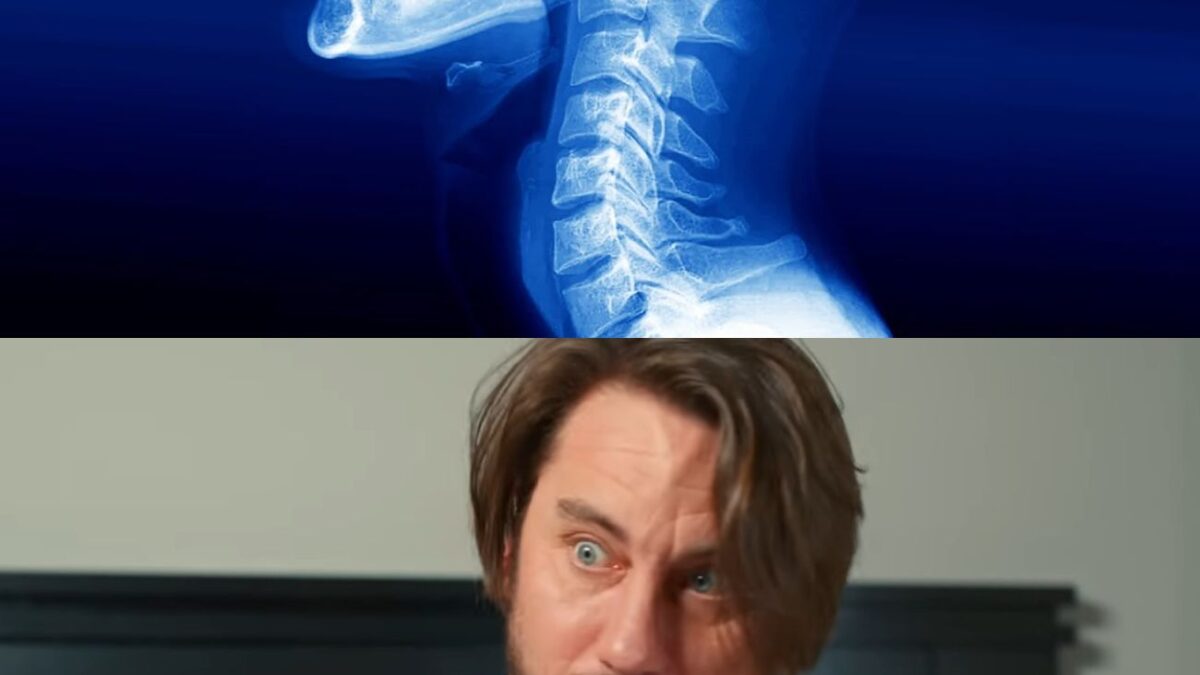
HB is a thirty-nine-year-old man presenting to the emergency department in a state of sheer, unbridled terror. He sat trembling in the triage alcove, his knuckles pressed hard against his forehead as tears freely spilled down his flushed cheeks. Every attempt to draw a calming breath hitched abruptly in his chest, making his vocal cords rattle with an awful, choked tremor.
The admitting nurse leaned forward across the reception counter, her pen poised over an intake clipboard, watching his rapid respiratory pattern with growing concern. She gently prompted him to state what had happened, expecting perhaps a sudden crush of chest pain, an allergic reaction, or an acute neurological deficit. Instead, HB could only stammer broken syllables, his index finger repeatedly pointing toward the hollow at the base of his throat.
Under normal circumstances, HB was a quiet, dependable man who found steady joy in the predictable rhythms of his working-class routine. He maintained a demanding schedule at his company, always volunteering for inventory shifts, meticulously balancing his domestic expenses, and living a modest life. Recently, his perseverance had been rewarded with a generous year-end performance bonus, giving him an uncommon feeling of financial ease.
After paying down his utility statements and setting aside a responsible cushion for his savings, he decided to do something entirely uncharacteristic. He resolved to splurge on a luxury he had quietly coveted for the past several years: a premium set of sleek, name-brand wireless earbuds. For his entire adult life, HB had relied exclusively on traditional, tangle-prone wired earphones plugged directly into aging audio jacks.
However, modern technology had gradually rendered his old routines obsolete, as his newly upgraded smartphone lacked any physical headphone port. Without wireless audio gear or clumsy dongles, he had found himself increasingly cut off from the private sanctuary of his personal music playlists. Holding the factory-sealed white retail box in his hands felt like holding a personal emblem of modern comfort and hard-won accomplishment.
He took immense satisfaction in unboxing the sleek, glossy charging capsule, admiring the pristine finish and the lack of any cumbersome cords. He had paired them immediately to his device, captivated by the rich acoustic profile and the remarkable illusion of absolute acoustic freedom. “At long last, I can finally relax and listen to high-quality audio whenever I want,” he had murmured to himself with a genuine smile.
The day he unwrapped them had been brutally demanding at his job, marked by endless logistical challenges that left his muscles tight with exhaustion. Returning home in the late afternoon, he longed for nothing more than a quiet restorative nap before preparing his evening dinner. He kicked off his heavy work boots, peeled off his work shirt, and settled onto his comfortable living room sofa beneath a soft throw blanket.
Seeking tranquil ambient music to soothe his humming nervous system, he carefully nestled the two tiny, gleaming acoustic pods deep into his ear canals. He selected a gentle, down-tempo instrumental playlist, closed his eyes, and rested his head back against the plush fabric of the sofa cushion. Within minutes, the smooth synthetic melodies began to dissolve the sharp edges of his fatigue, coaxing his consciousness down toward shallow sleep.
Just as he hovered on the threshold between wakefulness and dreaming, an abrupt, dull thumping sound snapped his attention back to the room. It sounded unmistakably like someone knocking forcefully on his heavy front door, vibrating through the quiet wooden floorboards of his apartment. Startled, HB tilted his head forward, instinctively reaching up with his right hand to dislodge the right earbud so he could hear the foyer clearly.
He called out loudly into the apartment corridor, asking if someone was there, but no answering voice broke the silence of the room. Realizing it might have been an errant sound from a neighbor in the outer hall, he leaned his head back onto the couch’s elevated armrest. His mouth remained slightly parted as he sighed, his throat completely open and unguarded while he prepared to sink back into his afternoon rest.
However, the earbuds were brand-new, coated in a fine, ultra-smooth factory gloss that made their rounded exterior surprisingly slick to hold. Knowing the distinctive industrial design of this particular manufacturer, the minimalist stems offered minimal texture for sweaty or tired fingertips to grip securely. As HB lazily maneuvered the tiny unit back toward his ear, his fingers slipped along the frictionless surface, and gravity immediately took over.
The dropped bud slipped free of his grip, falling cleanly through the air and landing squarely into his gaping, upturned mouth. Because his head was tilted backward at a steep angle, the hard plastic projectile bypassed his tongue and struck the sensitive mucosa of his posterior pharynx. The sudden foreign intrusion instantly triggered an intense, involuntary swallowing reflex that sealed his fate before his conscious brain could intervene.
HB snapped upright in an explosion of blind panic, his eyes bulging wide as his hands flew instinctively to wrap around his throat. He could feel the unyielding, bulbous plastic shape wedged stubbornly inside the tissue of his neck, resisting his desperate attempts to swallow normally. He bolted toward the bathroom mirror, wheezing with terror, his heart battering against his ribs like a captive animal seeking escape.
Standing before the illuminated glass, he pried his mouth wide open, frantically coughing and jamming his index finger deep into his throat to induce vomiting. Yet every mechanical retching effort and panicked muscular spasm only seemed to shepherd the smooth, contoured device progressively downward. The slick surface provided no purchase for his gag reflex, sliding like a well-lubricated wedge past the muscular constriction of the pharyngeal arches.
With a final, sickening internal glide, he felt the cold, hard mass traverse the upper esophageal sphincter at the very base of his neck. It slipped entirely beyond the reach of voluntary muscular control, tumbling silently downward into the deep muscular tube of his thoracic esophagus. A profound sense of horror washed over him as he stared at his own pale face in the mirror, realizing he had literally swallowed his expensive technology.
In a state of hyperventilating disbelief, HB picked up his mobile phone from the living room table with trembling, sweat-slicked hands. Hoping against hope that his senses were playing some cruel psychological trick on him, he launched the manufacturer’s proprietary locator application. He pressed the button command on the illuminated screen to activate the “Play Sound” feature, demanding that the missing earbud emit its high-pitched alert.
He held his breath in the silent apartment, listening intensely for the chime to echo from between the cushions of the sofa or the carpeted floor. Instead, a faint, rhythmic acoustic warble chimed in clear pulses directly from behind his sternum, echoing within his upper epigastric region. The inescapable reality crashed over him like a physical blow: the electronic audio driver was actively singing inside the cavity of his gastrointestinal tract.
Driven by surging adrenaline, HB threw on a jacket, grabbed his car keys, and bolted out the door toward his vehicle in a blind panic. He drove erratically toward the nearest regional hospital, his left hand fixed tightly against the center of his chest as the chime continued its muffled dirge. Every bump in the pavement seemed to jostle the unnatural plastic passenger resting in the dark, acidic passages of his internal anatomy.
Bursting through the sliding glass doors of the emergency room, he presented the bizarre story that now had the triage nurse looking at him in astonishment. The medical team was summoned immediately to evaluate this unusual clinical picture, their faces reflecting a combination of skepticism and heightened clinical vigilance. At first glance, an adult presenting with an ingested electronic earbud sounded remarkably implausible, bordering on an acute psychiatric delusion.
Yet HB was visibly lucid, oriented to person, place, and time, though completely unhinged by the terrifying sensation lodged within his body. The examining physician observed that HB was speaking in complete, uninterrupted sentences without stridor, hoarseness, or signs of acute respiratory compromise. Because he could phonate clearly and draw deep breaths, the object had clearly missed the laryngeal inlet and had not compromised his airway.
Nevertheless, while a non-obstructed airway meant he was spared immediate asphyxiation, an ingested electronic foreign body posed serious alternative hazards. HB reiterated through broken sobs that he had felt the solid device slide past his pharynx, accompanied by a localized fullness behind his lower ribs. The clinical team knew that while foreign bodies frequently pass into the broad stomach chamber, an object of this geometry could easily become trapped.
The human digestive system is essentially a long, continuous muscular conduit stretching uninterrupted from the oral cavity all the way to the rectum. Along this journey, the internal diameter—known in medicine as the lumen—expands, contracts, twists, and bottlenecks across distinct anatomical zones. While the adult stomach is a capacious, distensible reservoir capable of accommodating sizable meals, the passages preceding and following it are remarkably tight.
The esophagus itself features three prominent physiological constrictions where foreign bodies routinely hang up and cause dangerous impactions. The first is at the cricopharyngeus muscle, the second where the aortic arch crosses the esophageal body, and the third at the diaphragmatic hiatus. Beyond the stomach lies the pyloric sphincter, followed by the duodenal sweep and the narrow, winding corridors of the twenty-foot small intestine.
A rigid, uniquely contoured electronic earbud—specifically engineered to wedge securely into cartilage—is completely foreign to this delicate mucosal highway. If an object lodges firmly against the intestinal wall, the muscular contractions of peristalsis continue to beat relentlessly against the immovable obstruction. This persistent kinetic pressure creates a localized mechanical blockade, triggering an upstream backup of digestive fluids, swallowed gas, and processing food.
Such an obstruction manifests clinically with worsening abdominal distension, severe crampy pain, violent nausea, and intractable bilious vomiting. Far worse, if the hard plastic contours wedge tightly across a narrow lumen, the pressure can compromise the microvascular capillary beds supplying the bowel wall. Starved of arterial blood flow and vital oxygen, the cellular architecture begins to undergo ischemic necrosis, weakening the structural integrity of the gut.
Without prompt intervention, an ischemic segment of bowel can rapidly perforate, spewing luminal contents into the sterile peritoneal cavity. Recognizing these immediate anatomical risks, the emergency physician ordered emergency radiological imaging to map the exact location of the earbud. HB was transported to the radiology department, where technicians aligned the heavy machinery over his chest and lower abdominal regions.
HB lay flat on the cold examination table, his breath catching every time the machinery hummed and snapped radiographs through his torso. He kept his palm pressed over his upper epigastrium, swearing he could still perceive an unnatural weight settling beneath his diaphragm. The emergency team awaited the digital films, eager to confirm whether they were treating an active internal foreign body or an elaborate phantom sensation.
Yet static planar radiography, while excellent for identifying dense radiopaque metallic components, cannot immediately reveal the full scope of internal pathology. This physiological blind spot introduced the second, far more insidious danger lurking inside HB’s digestive system: the earbud’s internal electrical cell. Modern wireless audio devices rely on miniature, high-density electrochemical power sources, typically button-style lithium-ion micro-batteries.
These miniature power cells are engineered to maintain an energetic charge for hours, being regularly replenished within their external storage cradle. To the average consumer, they seem benign due to their miniature scale, but inside an electrolyte-rich anatomical environment, they transform into lethal hazards. The threat of a swallowed button battery is uniquely destructive, operating through an electrochemical mechanism distinct from simple mechanical trauma.
To understand this catastrophic hazard, one can look at a straightforward laboratory simulation involving a fresh button battery and moist animal tissue. When a charged micro-battery is placed directly onto a piece of moist meat—such as common deli ham—and exposed to mild moisture, a reaction starts. The ambient moisture and electrolytic fluid complete an external circuit between the positive and negative terminals across the moist tissue.
At the negative terminal, this active current drives an electrolytic reaction that hydrolyzes surrounding water molecules, generating copious hydroxide ions (). The rapid, localized accumulation of these hydroxide ions creates an intensely alkaline microenvironment, causing the local pH to skyrocket past twelve. This intense chemical base does not simply irritate the tissue; it induces liquefactive necrosis, literally dissolving cellular membranes and melting protein structures.
Within hours of sustained mucosal contact, this alkaline burn can burn completely through thick layers of biological tissue, leaving a charred, perforated tract. Inside the human body, such an electrical discharge can bore directly through the walls of the esophagus or gastrointestinal tract with horrifying efficiency. The digestive tract is woven with a dense network of major vascular structures, including the descending aorta running directly adjacent to the esophagus.
If an alkaline burn erodes through the mucosal wall and into an adjacent arterial vessel, catastrophic, uncontrollable internal hemorrhage immediately follows. Patients in this scenario can lose their entire blood volume in a matter of minutes into their digestive tract, resulting in fatal exsanguination. Even if major blood vessels are spared, a perforation through the gastrointestinal boundary invites a secondary, equally devastating systemic catastrophe.
The human digestive tract is teeming with trillions of commensal bacteria that play an essential, symbiotic role in breaking down nutrients. However, this microbial population is strictly sequestered within the mucosal lining, kept entirely separate from the sterile interior of the body. The moment a battery-induced burn perforates that barrier, billions of bacteria flood into the sterile mediastinum or peritoneal cavity.
This uncontrolled bacterial invasion triggers an immediate, systemic inflammatory response syndrome as the immune system desperately mobilizes to contain the spread. White blood cells release massive waves of cytokines into the systemic circulation, causing profound and widespread peripheral vasodilation. As vascular permeability spikes and fluid leaks into the interstitial tissues, the patient’s systemic blood pressure plummets into profound shock.
Vital organ beds—including the kidneys, liver, brain, and heart—are suddenly deprived of adequate perfusion pressure and life-sustaining oxygen delivery. This downward spiral into severe septic shock and multiorgan dysfunction syndrome can quickly become irreversible despite maximum medical therapy. Crucially, this electrolytic tissue digestion does not require an actively functioning or fully charged earbud to inflict massive local damage.
Even a battery deemed “dead” by consumer electronics standards retains sufficient residual voltage to establish a current and generate caustic hydroxide. The chemical burn begins almost immediately upon mucosal contact, often producing permanent transmural tissue death within just two hours of impaction. A standard plain radiograph cannot visualize these microscopic cellular burns during their early development, masking an escalating medical emergency.
Fortunately for HB, the industrial design of his specific brand of earbuds offered a fragile layer of mechanical protection against immediate disaster. The company utilized robust, ultrasonic polymer welding and specialized industrial adhesives to seal the internal electronics against sweat and moisture. Because the casing was tightly bonded, the internal lithium cell was completely encased within a rigid, drop-resistant plastic shell.
In a healthy, intact earbud, the digestive tract’s surface fluid cannot easily touch both battery terminals simultaneously, delaying electrical conduction. However, real-world consumer devices are rarely in pristine, laboratory-grade condition when catastrophic accidents like this occur. Over months or years of ownership, earbuds are routinely dropped onto concrete sidewalks, stepped on by heavy boots, or bruised in gym bags.
Micro-fractures can spiderweb across the polymer casing, invisible to the naked eye while the internal acoustic drivers continue to pump out sound. Moreover, the market is flooded with inexpensive knock-off brands that cut manufacturing costs by utilizing flimsy, snap-together plastic casings. Subjected to the relentless churning force of gastrointestinal peristalsis, a compromised shell can easily crack open, exposing the bare power cell.
This structural vulnerability leads directly to the third devastating hazard threatening HB: the risk of corrosive internal chemical leakage. Inside the gastrointestinal tract, the swallowed device is bathed in an intensely hostile, highly dynamic bath of biological secretions. The gastric chamber continuously secretes concentrated hydrochloric acid, digestive enzymes like pepsin, and thick, viscous mucins designed to dissolve solids.
These warm, acidic fluids exert profound chemical pressure on any foreign polymer, penetrating hairline fissures and attacking internal seals. If liquid penetrates the electronic compartment, it can trigger an internal short-circuit or corrosive breakdown of the battery’s protective metal housing. Miniature button batteries are categorized by standardized industrial alpha-numeric codes stamped onto their stainless-steel casings.
The prefix letters designate the underlying chemical composition of the cell, such as “CR” for lithium manganese dioxide or “SR” for silver oxide. The trailing numerical digits provide exact physical dimensions, identifying the precise height and diameter of the miniature cylindrical casing in millimeters. When these metal casings corrode or rupture internally, they release an array of toxic, heavy-metal compounds and caustic organic electrolytes.
Lithium-ion chemistries, like the one powering HB’s earbud, contain flammable organic carbonates and lithium salts that decompose violently when hydrated. Contact between water and lithium compounds can yield hydrofluoric acid and exothermic reactions, causing severe chemical burns and systemic toxicity. Documented clinical literature contains numerous harrowing cases of fragmented batteries causing deep chemical ulceration, necrosis, and systemic poisoning.
Back in the emergency department, the digital radiography monitors flickered to life, displaying high-contrast grayscale cross-sections of HB’s torso. The medical team gathered around the glowing display, their eyes instantly locking onto a striking, unmistakable silhouette within the lower chest. There, highlighted by its dense metallic wiring and radio-opaque battery, sat the clear outline of a wireless earbud, angled awkwardly.
The foreign body had successfully navigated the upper esophagus but had arrested its downward journey near the lower esophageal sphincter. It sat perched just above the gastroesophageal junction, held fast by the physiological resting tone of the lower esophageal muscular ring. The medical team let out a collective breath of focused concern; the earbud was not yet deep in the intestines, but it was dangerously situated.
An urgent clinical consult was immediately placed to the on-call gastroenterology surgical team to determine the safest management strategy. The attending gastroenterologist reviewed the films and decisively ruled against the passive approach of waiting for the earbud to pass naturally. Allowing the object to traverse twenty feet of narrow, winding bowel exposed the patient to an unacceptable gauntlet of life-threatening possibilities.
At any point, the device could lodge at the ileocecal valve, the battery seal could fail, or the casing could crack under digestive stress. The safest, most definitive clinical intervention was immediate endoscopic retrieval under direct visualization while the object was still proximal. HB was informed of the plan, his tears giving way to solemn, terrified compliance as the clinical team rapidly prepped him for emergency endoscopy.
The nursing staff established large-bore intravenous access in his forearm, running crystalloid fluids while attaching continuous cardiovascular monitors. HB was wheeled swiftly into the endoscopy suite, where specialized medical instruments, video monitors, and retrieval nets stood in sterile readiness. The anesthesiologist administered a carefully titrated intravenous sedative, allowing HB’s panicked consciousness to drift away into deep, painless oblivion.
With the patient fully stabilized and his airway protected via endotracheal intubation, the gastroenterologist lubricated the flexible fiber-optic endoscope. The steerable camera was gently guided through the oral cavity, navigating past the vocal cords and down into the upper esophageal lumen. High-definition video feeds illuminated the smooth, pale pink mucosal lining of the esophagus, magnified across the surgical theater monitors.
As the scope descended toward the forty-centimeter mark, the camera light glinted off an unnatural, stark white plastic surface ahead. The earbud was wedged diagonally against the lower esophageal wall, surrounded by pooling saliva and early inflammatory mucosal erythema. Fortunately, the plastic casing appeared entirely intact, showing no catastrophic fractures, structural collapses, or ominous black burn rings.
The surgical team carefully deployed an endoscopic snare—a thin, flexible wire loop fed through the central working channel of the endoscope. Under delicate manual control, the surgeon manipulated the wire loop over the contoured head of the earbud, cinching it snugly around the stem. With a steady, practiced pull, the foreign body was secured against the tip of the scope and carefully withdrawn through the muscular tract.
The entire assembly was brought smoothly back up through the upper sphincter, out past the teeth, and deposited onto a sterile metal tray. The room filled with an audible sigh of relief as the surgeon confirmed that the esophageal wall displayed only superficial abrasions without perforation. A follow-up endoscopic inspection revealed no deep burns, transmural ulcerations, or arterial compromise along the entire length of the tube.
HB was transferred to the post-anesthesia care unit, where dedicated recovery nurses monitored his vital signs as the sedatives slowly metabolized. When unusual clinical events like this occur, patients and curious observers frequently wonder about the potential for lingering, long-term systemic consequences. People often ask whether the ingestion of modern plastics and electronic polymers might lead to chronic microplastic toxicity or delayed organ damage.
In acute medical emergencies involving foreign body ingestion, the immediate clinical priority focuses entirely on immediate, life-threatening mechanics. The acute risks—asphyxiation, transmural perforation, exsanguinating hemorrhage, and acute sepsis—unfold on a rapid timescale of minutes and hours. Whether the polymer matrix sheds submicroscopic particles during a brief gastrointestinal transit is an issue that medicine cannot realistically track.
Hundreds of millions of individuals around the globe use wireless consumer audio electronics daily under wildly differing environmental and physiological conditions. Because incidental ingestions are sporadic and unique, establishing a controlled scientific study to measure long-term comparative outcomes is virtually impossible. The manufacturing landscape features thousands of distinct product lines, proprietary polymer blends, differing battery chemistries, and shifting production standards.
Two seemingly identical earbuds from the same popular brand may feature internal components sourced from completely different manufacturing facilities. One might utilize a slightly different bonding adhesive, a harder polycarbonate shell, or a battery cell supplied by an alternate regional contractor. Consequently, the most rational, evidence-based approach to personal health is not speculative anxiety about plastics, but proactive prevention of physical accidents.
The human body is an exquisite, vulnerable biological system, and the world is filled with miniature technologies that carry unexpected hazards. Basic behavioral adjustments can dramatically diminish the statistical probability of experiencing such terrifying medical emergencies in daily life. Medical professionals strongly advise against wearing small, unanchored in-ear audio devices while sleeping, reclining, or resting in bed.
When lying prone or supine, normal protective pharyngeal reflexes are substantially diminished, leaving the airway and digestive tract unguarded. For individuals who require ambient music or white noise to fall asleep, large, over-the-ear headphones represent a vastly safer alternative. Their substantial physical dimensions render them physically impossible to swallow accidentally, completely eliminating the risk of internal impaction.
Clinical literature documents numerous instances where individuals swallowed wireless earbuds entirely by accident, mistaking them for their daily medications. In the dark, an individual reaching for a glass of water and a routine pill can easily grab an earbud left on a nightstand. These unfortunate incidents occur spontaneously, without malicious intent, and without gross negligence on the part of the unsuspecting victim.
As personal technology continues to shrink, becoming more integrated into our homes and bodies, bizarre accidents are bound to recur. The sheer ubiquity of consumer micro-electronics guarantees that emergency rooms will encounter similar novel foreign body ingestions in the future. Recognizing the hazards early, seeking immediate professional intervention, and avoiding prideful delay remain the ultimate keys to patient survival.
Several hours later, the lingering fog of the intravenous anesthetic cleared entirely from HB’s mind, leaving him fully awake and oriented. He found himself resting comfortably in an outpatient recovery bay, his throat feeling slightly raspy and scratchy, but entirely pain-free. A smiling recovery nurse approached his bedside, handing him a sealed medical specimen bag containing his clean, retrieved earbud.
To his absolute astonishment, after wiping away the remaining moisture and tapping the sensor stem, the little device activated instantly. The resilient internal circuitry had survived its bizarre journey through the human digestive tract, still capable of streaming high-fidelity audio. HB chuckled softly through his raspy throat, looking at the tiny white piece of plastic with a mixture of reverence and lingering disbelief.
Most importantly, HB’s rapid decision to seek emergency care had successfully minimized his exposure to physical, electrical, and chemical trauma. Thanks to the rapid action of the medical team, the foreign body was safely extracted before catastrophic tissue destruction could begin. He was discharged home that very evening with a clean bill of health, an unforgettable story, and a newfound respect for human anatomy.

