A Man Put Cheese Making Ingredient In-between His Legs. This Is What Happened To His Soft Tissue.
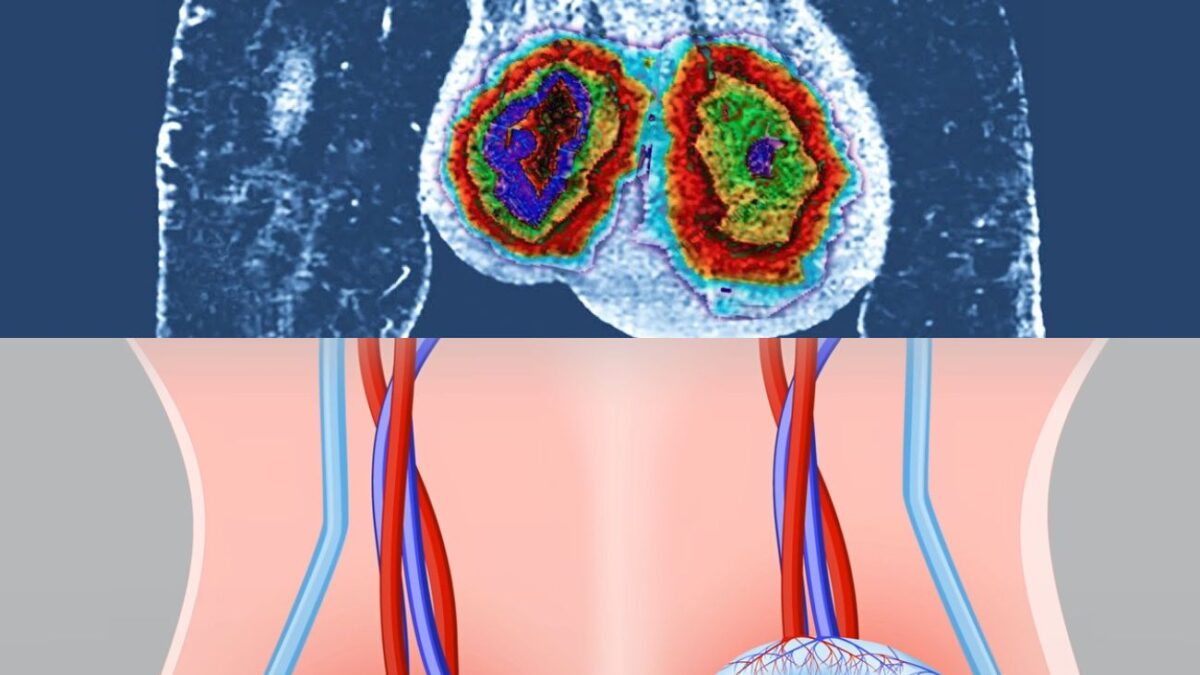
The human body represents a delicately balanced biological ecosystem where every chemical element performs a specific, measured function. When foreign compounds are introduced recklessly through non-physiological pathways, catastrophic cascades inevitably follow. This is the medical account of CC, a twenty-eight-year-old man who walked into an emergency department seeking relief from severe, unrelenting suprapubic pain.
Suprapubic refers specifically to the anatomical region resting just superior to the pubic bone, nestled directly above the lower pelvic structures. Pain originating within this focal junction can herald a wide variety of serious internal pathology, ranging from urinary tract compromise to visceral necrosis. Yet CC’s clinical presentation hid a far more complex, psychological, and toxicological reality than any standard triage protocol could initially identify.
To understand how CC reached this critical crossroad, one must examine the intense, private turmoil that dominated his daily reality. For years, CC had endured a devastating internal war characterized by invasive, intrusive, and profoundly unwanted mental thoughts. These involuntary ideations invaded his conscious thoughts with relentless regularity, tearing away his ability to lead an ordinary social existence.
Whenever CC entered any communal setting, his brain involuntarily subjected him to intense and highly explicit interpersonal scenarios. He found himself projecting vivid, non-consensual sexualized interactions onto every individual he crossed paths with, regardless of the person’s identity. He was forced to train himself to freeze, adopting an expressionless, glazed countenance to conceal the chaos churning internally.
To survive an afternoon of ordinary interactions, he found himself constantly retreating into bathroom stalls to relieve mental pressure. Yet even after achieving temporary physical release, the distressing, highly detailed intrusive imagery would storm right back into his thoughts. This persistent psychological loop generated intense humiliation, exhausting his mental stamina and threatening to dismantle his entire professional career.
CC had carried remnants of these compulsive mental images for as long as his adult memory could accurately recall. The transition out of university life into the corporate workplace only escalated the internal tension to dangerous, unsustainable thresholds. He recognized that revealing even the slightest trace of his hyperactive thought patterns would cause total professional ruin.
Isolated by deep shame, CC chose not to schedule an appointment with a licensed mental health clinician or psychiatrist. Instead, he retreated into the anonymous expanse of the digital underground, navigating image boards and fringe web forums. In these obscure spaces, individuals circulated extreme, unverified theories regarding self-administered chemical therapies intended to suppress biological instincts.
The conversations taking place across these obscure digital threads proposed a brutally simple, radically misinformed mechanical premise. Participants argued that if intrusive thoughts were tied to systemic hormonal drives, destroying the source of testosterone would cure them. Rather than addressing the brain’s neurochemical circuits, they advocated for the physical disruption of testicular function through chemical intervention.
Fascinated by the prospect of permanently silencing his mental torment, CC undertook extensive, unsupervised independent literature searches. He spent late nights digesting biomedical databases, focusing exclusively on chemical solutions reported to induce lasting gonadal atrophy. However, he overlooked a critical methodological limitation: nearly every investigation he studied was derived from veterinary journals, never human trials.
These veterinary papers described the use of chemical solutions in agricultural settings to achieve sterilization in stray or livestock populations. Because researchers do not conduct destructive chemical injection studies on healthy human gonads, no validated safety profiles existed. Despite the glaring absence of human clinical data, CC decided to extrapolate these veterinary parameters into a self-treatment plan.
What CC desperately sought was an accessible chemical agent that possessed potent sclerosing and tissue-destroying biological properties. One afternoon, while casually searching commercial e-commerce websites, he happened upon a domestic cheesemaking starter kit. Reading through the itemized list of components, he realized that one specific reagent matched his experimental criteria: calcium chloride.
Calcium chloride serves an essential industrial function in modern culinary chemistry, specifically during the coagulation of processed cheese. During high-temperature commercial pasteurization, native milk proteins and suspended fats undergo structural alterations that hinder proper curd formation. The addition of food-grade calcium chloride restores dissolved mineral balances, facilitating enzyme action and curding when using legal, pasteurized milk.
Without hesitation, CC purchased the cheesemaking assembly online and waited in his apartment for the package to arrive. When the delivery reached his door, he unboxed the chemical solutions, gathered hypodermic syringes, and retreated to his room. In an act of extreme desperation, he aspirated the concentrated calcium chloride solution directly into two sterile barrels.
The human scrotum houses vital reproductive gonads within extremely sensitive, delicate layers of highly vascularized tissue. With his makeshift medical apparatus prepared, CC positioned the first needle through the anterior scrotal skin into his testicular tissue. He depressed the plunger completely, driving the concentrated mineral salt deep into the soft parenchymal structures between his legs.
The instantaneous physiological response was a searing, sharp heat that tore across his lower pelvic and scrotal regions. Initially, CC assumed this profound burn was merely the mechanical trauma of the needle perforating the fibrous tunic. Steel-willed in his misguided purpose, he drew up the second loaded syringe and injected the remaining testicle.
The immediate aftermath was characterized by an ominous silence, but within hours, the destructive chemical cascade began to unfold. Over the subsequent days, CC began awakening in the dead of night, his clothes drenched in cold, profuse sweat. A dull, simmering ache settled permanently into his lower pelvic floor, gradually climbing upward toward his lower abdominal wall.
As the week progressed, the local inflammatory and necrotic processes escalated into an agonizing, incapacitating systemic crisis. The dull, burning discomfort intensified into a relentless, visceral agony that robbed him of sleep, appetite, and mobility. Finally unable to endure the excruciating pain in his suprapubic zone, CC drove himself directly to the hospital emergency department.
Upon initial triage in the busy emergency room, CC presented as a physically intact, otherwise well-nourished young adult male. Clinically, suprapubic tenderness is treated as a diagnostic chameleon, carrying an extensive roster of possible pelvic and urological etiologies. CC reported experiencing profound nocturnal diaphoretic episodes, persistent systemic anxiety, and an unremitting deep-seated pelvic burn.
The clinical team noted a remote psychiatric diagnosis of reactive depression, which could theoretically correlate with his chronic distress. However, CC cautiously revealed a much more alarming and objective clinical observation to the examining physician: rapid testicular shrinkage. He noted that over the preceding days, his testicular volume had visibly diminished, yet he withheld his self-injection history.
Recognizing that profound gonadal atrophy does not manifest spontaneously within days, the physicians immediately ordered emergency scrotal ultrasonography. The high-resolution ultrasound transducer swept across the scrotal pouch, producing an unexpected and startling set of sonographic images. Within each testicle sat a distinct, prominent, and dense spherical mass that completely displaced normal parenchymal architecture.
Faced with these anomalous bilateral scrotal masses, the baffled medical staff returned to CC’s bedside to demand complete honesty. Recognizing that his clinical situation had spiraled beyond his ability to self-manage, CC finally surrendered the full truth. He admitted to purchasing the online cheesemaking kit and deliberately injecting concentrated calcium chloride directly into his bilateral testicles.
The medical team was suddenly tasked with deciphering an exceedingly rare, entirely undocumented mechanism of self-inflicted acute chemical injury. To comprehend what CC had done to his internal anatomy, one must understand the biophysical properties of calcium. Calcium is an abundant, indispensable elemental mineral within human biology, serving primarily as a structural lattice for bones and teeth.
Yet within the soft cellular environments of the body, calcium behaves as an immensely potent, tightly regulated secondary electrolyte. Alongside sodium and potassium, free ionized calcium acts as a critical molecular switchboard, relaying instructions across organs. While macroscopic calcium chloride appears visually identical to everyday sodium chloride table salt, its intracellular behavior is starkly different.
In normal human physiology, sodium remains concentrated predominantly in the extracellular fluids, resting just outside the plasma membranes of cells. Potassium, conversely, is maintained at elevated concentrations within the intracellular fluid, balancing the electrical charges across cell walls. Ionized calcium, however, is kept at exceptionally low levels within the cytosol, with surplus ions locked within organelles.
The internal architectural structures responsible for sequestering calcium include the specialized endoplasmic reticulum and the energy-generating mitochondrial membranes. This deep sequestration exists because free intracellular calcium does not act as a mere passive ionic fluid. Instead, calcium acts as a definitive biological commitment mechanism; once released, it initiates irreversible biochemical actions.
Consider the mechanical cycle of muscular contraction: sodium channels open first, permitting an inward rush to propagate an electrical signal. Potassium channels quickly respond, shuttling ions outward to normalize the transmembrane potential and balance the initial impulse. But the physiological contraction cannot physically proceed until calcium floods the sarcomere, enabling mechanical cross-bridge cycling between actin and myosin.
Because calcium enforces this biological commitment, a human muscle cell cannot terminate a contraction mid-stride once calcium is loose. This universal signaling paradigm applies across all three varieties of muscle tissue residing throughout the human anatomical frame. It governs skeletal muscle facilitating movement, the involuntary smooth muscle of the visceral organs, and the specialized myocardium.
Crucially, the vascular network throughout the human body is wrapped in layers of responsive, highly contractile vascular smooth muscle. Beyond mechanical motion, calcium serves as the essential intracellular messenger facilitating complex intercellular endocrine and hormonal communication networks. Cells situated far apart rely on the regulated exocytosis of hormones, which is initiated by sudden spikes in cytoplasmic calcium.
Finally, calcium serves as the ultimate arbiter of programmed cellular demise, biologically recognized under the scientific heading of apoptosis. When a cellular unit undergoes irreversible stress or reaches its replicative limit, specialized internal signaling pathways are engaged. The cell intentionally ruptures its internal organelles, releasing vast stores of sequestered calcium to dismantle the cell from within.
With this cellular physiology understood, the direct consequences of CC’s self-directed testicular injections come into terrifying clinical clarity. CC had injected a concentrated chemical compound into an organ with an extraordinarily delicate and rich microvascular framework. The testicular parenchyma is fundamentally dependent on an uninterrupted flow of oxygenated blood delivered through microscopic terminal arterioles.
By injecting a high-concentration calcium solution into this confined vascular territory, CC flooded the extracellular spaces with catastrophic mineral levels. The dense rings of smooth muscle enveloping the testicular arterial tree were immediately overwhelmed by an uncontrolled calcium flood. This triggered immediate, sustained, and unrelenting vascular contraction, an acute event known in clinical medicine as profound vasospasm.
As these arterial channels clamped shut, the downstream capillary beds supplying the delicate germinal epithelium were instantly shut down. Without fresh oxygenated perfusion, the testicular parenchymal cells began suffocating within minutes, initiating a devastating cascade of localized ischemic necrosis. The immediate burning sensation CC had experienced was the raw neurological manifestation of sudden cellular asphyxiation.
Simultaneously, the high concentrations of ionized calcium penetrated the outer membranes of the surrounding somatic and germinal cells. The intracellular sensory mechanisms registered this foreign mineral deluge as an inescapable, all-encompassing signal for immediate apoptotic destruction. Deprived of oxygen and flooded with apoptotic triggers, billions of cells throughout both testicular bodies began disintegrating simultaneously.
This destructive process mirrors a known, catastrophic clinical phenomenon recognized in inpatient intravenous medicine as calcium extravasation. In emergency and critical care medicine, concentrated calcium chloride is occasionally administered intravenously to treat acute, life-threatening hypocalcemia. Hypocalcemia describes an abnormally low concentration of ionized calcium in the systemic circulation, impairing cardiac and neurological signaling.
However, clinical protocols mandate extreme caution when administering intravenous calcium chloride via peripheral veins due to extravasation risks. Extravasation occurs when an infused corrosive fluid accidentally breaches the vessel wall and leaks into the fragile subcutaneous tissue. When calcium chloride extravasates into unbuffered soft tissues, it instantly triggers extensive chemical burns, severe skin necrosis, and sloughing.
Intact superficial skin retains a protective, horn-like layer of dense keratin proteins that shields deeper tissues from topical exposure. But a syringe bypasses this outer armor entirely, depositing the caustic salt directly into the vulnerable, unprotected parenchyma. To protect hospitalized patients, modern medical teams rarely use calcium chloride peripherally, preferring much safer calcium gluconate solutions instead.
Calcium gluconate incorporates a large organic gluconate carbohydrate moiety, dramatically reducing the concentration of elemental calcium per milliliter. This lower concentration drastically reduces the immediate risk of severe tissue necrosis should minor local extravasation accidentally occur. CC, operating in complete ignorance of chemical kinematics, had injected an industrial-grade solution far more concentrated than medical preparations.
However, ischemic necrosis and apoptotic cell destruction only explained half of the physical pathology observed within the hospital. The medical staff still needed to explain the large, dense spherical masses identified by the scrotal ultrasound scan. The key to unraveling this sonographic discovery lay in the chemical behavior of inorganic mineral salts within human tissue.
While pure calcium chloride dissolves readily in sterile aqueous environments, human tissue fluids are laden with many reactive counter-ions. Foremost among these intracellular and interstitial ionic compounds is dissolved inorganic phosphate, largely liberated by the breakdown of cellular energy. When billions of dying testicular cells ruptured, their internal pools of adenosine triphosphate and cellular phosphate spilled into the interstitium.
When free calcium ions encounter open phosphate ions within biological fluids, they bind irreversibly through strong ionic attractions. The resulting chemical byproduct is calcium phosphate, an insoluble mineral salt that cannot dissolve within normal physiological fluids. Instead of clearing through the circulation, the insoluble compound precipitates out of solution as an unyielding, rock-like macroscopic mass.
This uncontrolled, pathological deposition of crystalline calcium salts within damaged, non-viable soft tissue is known as dystrophic calcinosis. The bilateral spherical masses identified on CC’s ultrasound were not neoplastic tumors, but large calcified boulders of necrotic tissue. These dense mineral conglomerates sat embedded inside the necrotic testicular parenchyma, causing sustained mechanical pressure and chronic inflammation.
Compounding this local tissue death was an immediate, severe breakdown in CC’s endocrine and reproductive capabilities. The medical team drew systemic blood samples to evaluate his core endocrine profiles, revealing a state of profound secondary hypogonadism. Hypogonadism denotes a functional deficiency where the gonadal structures fail to produce physiological quantities of vital gametes and steroid hormones.
The laboratory findings confirmed that CC’s circulating bioavailable testosterone levels had crashed to an alarming seven percent of normal. The Leydig cells, responsible for manufacturing systemic testosterone under the regulation of the pituitary gland, had been largely eradicated. The remaining functional endocrine tissue was wholly inadequate to sustain ordinary biological virility, mood stability, or systemic metabolic equilibrium.
Inside the hospital room, the attending physicians were forced to confront a sobering and deeply frustrating clinical reality. Modern emergency medicine possesses an extensive array of advanced targeted antidotes, specialized chelating reagents, and lifesaving interventions. Yet medical science has no pharmacological compound capable of reversing soft-tissue necrosis or reviving dead, calcified gonadal tissue.
The emergency physicians could not reverse the dystrophic calcinosis or undo the profound ischemic vascular collapse. They could not restore the microscopic seminiferous tubules or surgically reconstruct the complex reproductive and endocrine architecture. Their therapeutic options were limited to basic supportive care, adequate pain management, and preventing secondary ascending bacterial infections.
Fortunately for CC, the male reproductive organs are partially protected by a unique immunological feature known as immune privilege. The body actively restricts conventional inflammatory white blood cell infiltration into the healthy seminiferous tubules to prevent autoimmune attacks against sperm. While this evolutionary protection likely prevented a massive, runaway systemic immune reaction, it could not resurrect the lost tissue.
A complete histological confirmation would have required invasive open surgical biopsies, cutting directly into the compromised, highly fragile scrotal structures. However, the surgical consult team recognized that operating on this severely damaged, ischemic tissue carried an unacceptable risk of infection. With no life-threatening systemic sepsis present, the physicians determined that aggressive surgical exploration would only inflict further damage.
The clinical team prescribed a comprehensive regimen of targeted analgesic medications and anti-inflammatory therapy to manage his severe pain. They arranged for close psychiatric intervention and enrolled him in outpatient psychological support programs to address his underlying compulsions. After several days of observation and stabilized vital parameters, CC was discharged to begin his uncertain, long-term recovery.
Two months later, CC returned to the outpatient clinic for a structured follow-up consultation with the multidisciplinary team. To the surprise of his clinicians, CC appeared in significantly better psychological spirits than during his initial emergency presentation. The severe suprapubic pain had completely subsided, the profuse night sweats had ceased, and his debilitating anxiety had reduced dramatically.
He reported feeling far more like his authentic, stabilized self, freed from the acute physical agony that had hospitalized him. Nevertheless, the clinical team understood that his symptomatic improvement did not signify complete biological restoration of his reproductive architecture. The extent of permanent microstructural damage, persistent hypogonadism, and long-term testicular parenchymal loss remained permanently etched into his internal anatomy.
CC’s harrowing ordeal stands as a definitive cautionary tale regarding the catastrophic dangers of unsupervised biological experimentation and fringe self-medication. Driven by deep isolation, intense shame, and unaddressed psychological torment, he relied on unverified online forums and veterinary data. He introduced a common culinary chemical into a delicate anatomical structure, inducing severe tissue necrosis, calcinosis, and organ destruction.
The human body’s complex biochemical systems operate under tightly controlled, extraordinarily delicate regulatory rules that tolerate no reckless intervention. When foreign compounds are aggressively forced into closed biological environments, the resulting chemical destruction can be immediate and irreversible. If a substance is not medically formulated or prescribed for internal use, it should never be introduced into the body.
Want to understand how immune privilege protects reproductive cells from the body’s own immune system?
Có

