A Family Ate 1 Year Old Frozen Leftovers For Breakfast. This Is What Happened To Their Organs.
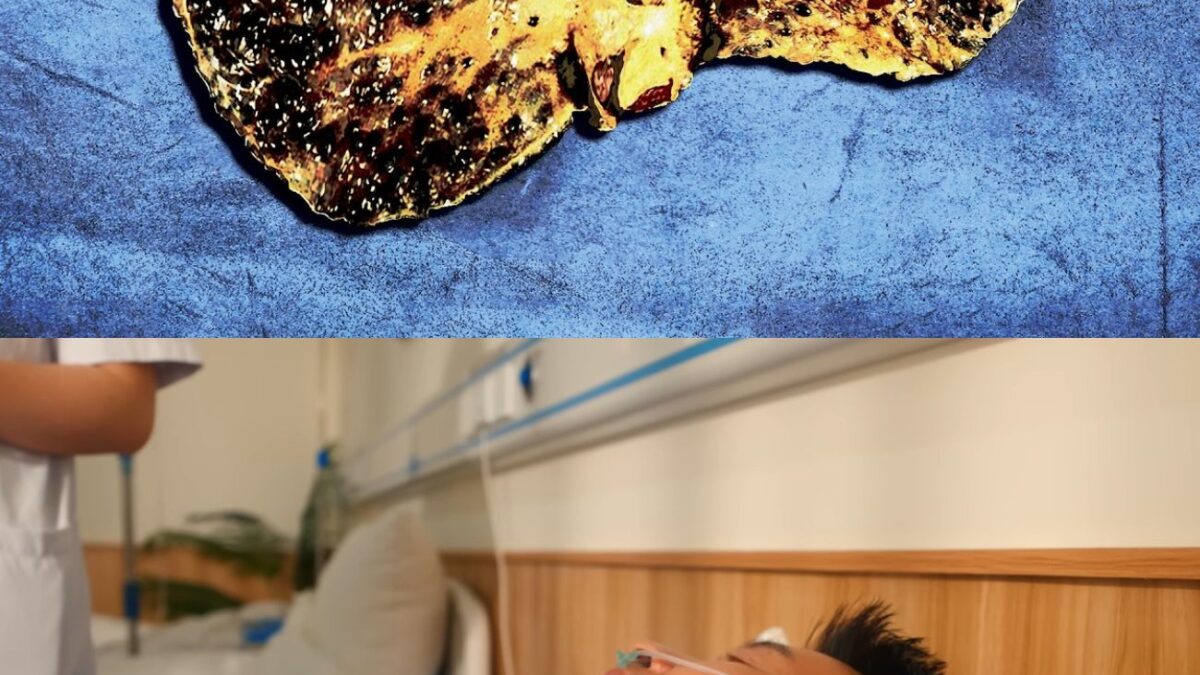
A family sat down together to share a simple home-cooked meal, completely unaware that their breakfast was laced with one of the most lethal biochemical weapons known to science. It was an ordinary morning marking the end of a long family holiday, a transitional moment when adult children prepare to return to their separate lives while their parents look on with customary pride. Within just a few short hours, the microscopic remnants of a forgotten batch of frozen noodles would systematically dismantle their vital organs, turning their cozy dining room into the starting point of an unimaginable medical catastrophe.
The patriarch of the household, a hardworking forty-five-year-old man known simply as DC, was the very first to collapse under the weight of this mysterious affliction. He arrived at the local hospital’s emergency department doubled over in sheer agony, his skin slick with a cold sweat, his trembling hands clutching his midsection as wave after wave of violent nausea wracked his entire body. Dark blood was actively oozing from his gums and pooling beneath his skin in scattered petechial rashes, an alarming sign of diffuse systemic bleeding that immediately placed the triage nursing staff on high alert.
Between ragged, agonizing breaths, DC struggled to describe the sudden and terrifying progression of his condition to the attending medical team. He explained that a searing, sharp heat had ignited beneath his sternum just moments after arriving at his office desk earlier that morning, an internal burn that had rapidly spread outward to consume his abdomen, his back, and his limbs. What had initially felt like an ordinary case of indigestion had swiftly metastasized into an all-encompassing, bone-deep torment that paralyzed his ability to stand, think, or even draw a steady breath of air.
Yet only three hours prior to this horrifying clinical collapse, DC had been sitting at his sunny kitchen table, laughing and enjoying a warm breakfast with his beloved wife and three children. All three of their grown kids had traveled back home to spend the festive holiday together under one roof, making it a rare and joyous family reunion that filled the quiet home with vibrant noise. To commemorate the final morning before everyone scattered back to their respective jobs and university classes, DC’s devoted wife, MC, had decided to wake up early and prepare a nostalgic regional delicacy.
DC and his wife hailed from a historic rural region where the careful fermentation of ground corn noodles was deeply woven into the local culture as a cherished culinary tradition. Known historically and locally as suantangzi, these fermented corn noodles possessed a distinctly sour tang and a slippery, comforting texture that reminded both parents of their childhoods in the provinces. Exactly twelve months prior to this fateful morning, MC had lovingly hand-crafted a massive batch of these artisanal corn noodles from scratch, following an intricate ancestral recipe passed down through generations.
The preparation of suantangzi is an elaborate, multi-day endeavor that relies on soaking ground corn kernels in water for an extended period, allowing natural ambient fermentation to sour the dough before it is pressed into thick, chewy strands. During that original cooking session a year ago, the entire process had appeared completely flawless to MC’s experienced eyes. The noodles had boiled up beautifully with a bright golden hue, smelled appropriately tangy with that familiar comforting fermented aroma, and tasted so wonderfully authentic that the family had eaten a fresh portion that very afternoon without any incident whatsoever.
Because the recipe yielded far more noodles than a single meal could ever consume, MC had neatly divided the remaining fresh strands into heavy-duty plastic freezer bags. She carefully labeled them and tucked them deep inside the bottom of the chest freezer, assuming that the sub-zero environment would safely preserve the culinary heritage for another special day. There the packages remained, undisturbed and suspended in ice for an entire calendar year, silently awaiting the perfect festive morning when the whole family would be reunited around the dining table.
When the noodles were retrieved from the freezer and boiled into a piping hot, savory broth that holiday morning, the family’s oldest son, Ace, looked upon the steaming bowl with undisguised revulsion. Ever since he was a small boy, Ace had vehemently despised fermented corn noodles, shuddering at their slippery, rubbery texture and actively avoiding the intensely sour, pungent odor of the regional broth. While the rest of the household eagerly celebrated the nostalgic dish, Ace firmly shook his head, pulled a bag of salted potato chips from the kitchen pantry, and defiantly made that his morning meal.
Sitting directly across the table from him was his younger sister, Essie, a lively twenty-four-year-old who possessed the exact opposite culinary palate and took genuine delight in teasing her brother. Essie adored suantangzi with all her heart and loudly mocked Ace for his stubborn, childish refusal to appreciate their mother’s hard work and regional heritage. Although both siblings were now fully grown adults establishing their own independent careers in neighboring towns, they instantly fell into their familiar childhood banter the second they sat across from one another.
To Essie, her older brother’s stubborn refusal to touch the traditional soup was nothing short of a personal victory, as it meant more noodles for everyone else who actually appreciated them. And she was certainly not the only one at the breakfast table eager to capitalize on Ace’s empty bowl. The youngest sibling, a bright twenty-one-year-old university student named BC, had always been the baby of the family and harbored an insatiable appetite for his mother’s traditional home-cooked cooking.
BC enthusiastically dove into his steaming portion, playfully boasting that this particular batch tasted richer, tangier, and far more flavorful than any noodles he had ever eaten before. Delighted by her youngest son’s joyful praise, MC beamed with maternal satisfaction and continuously scooped generous second and third helpings directly into BC’s porcelain bowl. The young student devoured the extra food with ravenous speed, slurping the slippery noodles so quickly that he nearly choked while laughing at a joke made by his father.
It was, by all accounts, a picture-perfect morning filled with warmth, domestic comfort, and the deep emotional security that only a loving family reunion can provide. But as the hands of the wall clock steadily marched forward, the breakfast came to a natural close, and the bustling realities of everyday adult life demanded their attention. The long holiday was officially over, and the house quickly transformed from a serene sanctuary into a hive of hurried departures, packing bags, and last-minute goodbyes.
DC, in his customary role as the head of the household, kissed his wife goodbye, grabbed his leather briefcase, and departed first for his design studio across town. He felt pleasantly heavy and deeply nourished, stepping out into the brisk morning air with a profound sense of satisfaction after such a robust and nostalgic breakfast. Soon after, BC slung his heavy backpack over his shoulder and hopped onto a bus heading toward his college campus, anxious to review his notes for an upcoming afternoon exam.
Ace gathered his things and prepared to drive back to his own apartment in the neighboring city, making sure to throw one last teasing remark at his sister Essie on his way out the front door. Essie simply laughed it off, heading into her bedroom to finish dressing in business attire for her own office shift, leaving MC alone in the quiet kitchen. The mother stood contentedly over the kitchen sink, humming softly to herself as she began clearing the empty bowls, genuinely pleased that her special breakfast had brought so much joy.
Yet in less than sixty minutes from the moment the front door clicked shut, the pleasant domestic peace inside the house was violently shattered. While stacking the clean porcelain bowls into the wooden cupboard, MC was suddenly stopped in her tracks by a sharp, suffocating wave of abdominal bloating that hit her without warning. At first, she thought she had simply eaten too quickly, but within minutes, an intense, piercing sensation tore through her epigastric region, spreading outward like liquid fire.
A blinding, rhythmic headache began hammering behind her temples with the force of a hydraulic piston, forcing her to abandon the chores and lean heavily against the counter. Her legs rapidly turned to rubber, trembling uncontrollably as her intestines began to violently spasm, contracting with ferocious intensity as if her internal organs were desperately attempting to expel the meal. Barely able to keep herself upright, MC dragged her weakened body toward the living room sofa, collapsing onto the cushions under the mistaken belief that she could simply close her eyes and sleep off the sudden illness.
Several miles away, inside a quiet university dormitory, young BC had settled into his wooden study desk, surrounded by open textbooks and lecture slides. On his journey back to campus, he had felt completely energetic and vibrant, fully prepared to conquer his academic responsibilities for the remainder of the afternoon. But as he sat staring at the printed pages, an unusual, heavy sensation crept into the room, making the surrounding air feel stifling, stale, and unnervingly thin.
BC began to clear his throat, but a sudden, dry cough triggered a violent, churning sensation deep within the pit of his stomach. Confused, he assumed a piece of food was caught in his esophagus, so he stood up to stretch his torso and grab a glass of water from the miniature refrigerator. The moment his feet bore his full weight, it felt as though his internal organs were being pulled down by an immense gravity, and the dormitory floor tilted violently before spinning out of control.
Gasping for breath in a state of mounting panic, BC tumbled backward into his desk chair, clutch-gripping his midsection as an unfathomable wall of pain crashed over his senses. Every single heartbeat sent a sickening, thumping pulse of agony radiating through his abdomen and into his skull, leaving him entirely paralyzed and unable to cry out. It was a vicious, unnatural physical trauma unlike anything he had ever felt, knocking the wind straight from his lungs until his knees buckled and he collapsed helplessly onto the cold linoleum floor.
At that exact same hour, inside a corporate office across the city, his sister Essie was seated at her computer terminal, trying desperately to focus on her daily tasks. The workplace was already an environment that often caused her stomach to knot from ordinary professional anxiety, especially with peculiar coworkers constantly lingering around the water cooler. But the agonizing sensation that was now building in the center of her chest bore no resemblance whatsoever to everyday stress or nervous acid reflux.
The discomfort began as a tight, suffocating constriction behind her breastbone that rapidly blossomed into a harsh, involuntary coughing fit that she could not suppress. With every single cough, the sharp, tearing pain within her abdominal cavity intensified exponentially, accompanied by a deafening, throbbing migraine that blurred her peripheral vision. Terrified, Essie attempted to stand up and slip quietly toward the office restroom to compose herself, but the instant she stood, all strength vanished from her lower limbs.
Her knees gave out completely beneath her, and she crashed down onto the carpeted floor beneath her desk, curling into a tight, trembling fetal position. She began rocking back and forth uncontrollably, her teeth chattering and her blouse soaked through with cold sweat as her stomach muscles continued to spasm with violent, rhythmic tremors. Co-workers gasped and rushed toward her trembling form, completely mystified by the terrifying speed with which a healthy young woman had been completely incapacitated.
Meanwhile, at his private commercial studio, DC was facing his own personal nightmare as the clock approached the three-hour mark following their festive breakfast. The dull, smoldering burn that had first manifested just beneath his ribcage upon arriving at work had rapidly evolved into an all-consuming internal firestorm. He found himself utterly unable to focus on his work, his vision swimming with dark spots as a terrible, bitter nausea welled up from the depths of his belly.
Hoping to soothe the burning sensation, DC reached for a glass of tap water and took a careful, tiny sip, desperate to coat his parched throat. But the instant the cold liquid touched the back of his pharynx, an uncontrollable, violent reflex seized his diaphragm, and the water was forcefully ejected back upward through his mouth and nose. A blinding flash of agony ripped through his brain, creating an agonizing sensation of pressure so extreme that it felt as though his eyeballs were being physically forced outward from their sockets.
Sinking to his knees on the studio floor, drenched in a copious, freezing perspiration, DC could do nothing but wrap his arms around his belly and groan aloud. Summoning every last shred of human willpower, he crawled on hands and knees into the adjoining bathroom, attempting to purge his stomach into the ceramic toilet bowl. But dry heaving produced nothing but agonizing dry spasms and flecks of dark blood, leaving him completely helpless as he feebly dialed the local emergency medical services on his mobile phone.
That desperate call made DC the very first member of the family to be loaded into the back of a blaring ambulance and rushed to the emergency department. Upon his arrival at the hospital, the trauma team was immediately struck by the sheer intensity of the middle-aged man’s clinical distress, noting his pale, ashen skin and rapid breathing. They swiftly administered intravenous antiemetics and high-dose painkillers, yet standard physical examinations provided virtually no structural clues to explain his profound deterioration.
It was only when the preliminary laboratory results came back from the automated pathology ward that the medical team encountered their first major clinical mystery. DC’s emergency metabolic blood panel revealed a shockingly elevated blood glucose reading—a profound, life-threatening state of acute hyperglycemia. In medical terminology, “hyper” indicates an abnormally high state, “glyc” stems from the ancient Greek word for sweet or sugar, and “emia” refers specifically to the presence within the bloodstream.
Initially, a junior resident hypothesized that the excessive sugar could simply be the natural consequence of DC’s recent meal, which had consisted entirely of carbohydrate-dense fermented noodles. Under normal human physiological conditions, however, the beta cells of the pancreas respond to rising dietary glucose by secreting surges of insulin into the bloodstream. This essential hormone acts as an enzymatic key, unlocking cellular membranes and forcing glucose out of the blood and into the tissues for immediate energy utilization or glycogen storage.
Because DC possessed no prior medical history of diabetes, his intact pancreas should have easily managed the carbohydrate load from a breakfast eaten several hours prior. Furthermore, a functioning human liver actively manages and regulates glucose homeostasis, acting as a massive biological warehouse that carefully buffers blood sugar levels between meals. If the liver suffers catastrophic acute structural injury, however, its cellular architecture breaks down, causing its internal glycogen stores to rapidly leak out into the circulation in an uncontrolled flood.
A secondary series of comprehensive blood tests quickly arrived from the laboratory, delivering grim news that transformed the initial puzzle into an acute critical emergency. DC’s liver enzymes, specifically his alanine aminotransferase and aspartate aminotransferase, were skyrocketing into thousands of units per liter, indicating massive, widespread hepatocellular death. Simultaneously, his serum creatinine and blood urea nitrogen had climbed to dangerous heights, confirming that both of his kidneys were also rapidly shutting down in tandem.
An urgent non-contrast computed tomography scan of DC’s abdomen revealed that the parenchyma of his liver was diffusely enlarged and mottled with bizarre, widespread microvesicular lipid deposits. In the brief moments before his mental status declined, the admitting physicians were still able to communicate with DC, who feebly recounted his morning routine. He distinctly recalled how the catastrophic abdominal pain had flared up without warning shortly after eating the bowl of thawed, one-year-old fermented corn noodles prepared by his wife.
Unfortunately, that brief window of meaningful clinical communication slammed shut with terrifying finality as DC’s neurological function suddenly plummeted off a cliff. His eyes rolled back into his head, his speech degenerated into unintelligible mumbling, and he rapidly slipped into a profound, unresponsive comatose state before the doctors could question him further. An emergency arterial blood gas and venous sample were rushed to the lab, uncovering another alarming biochemical derangement: profound hyperammonemia, a lethal accumulation of ammonia in the blood.
In a healthy body, the dietary proteins we consume, along with the natural cellular debris generated from muscle catabolism, are broken down into nitrogenous waste that is routed to the liver. Through an intricate metabolic sequence known as the urea cycle, the liver converts toxic free ammonia into a harmless water-soluble compound called urea, which the kidneys safely filter into the urine. But because DC’s liver was undergoing catastrophic functional collapse, this essential cycle had ceased entirely, causing raw, unprocessed ammonia to spill directly into his systemic circulation.
Ammonia is a potent neurotoxin that readily crosses the blood-brain barrier, where it is absorbed by cerebral astrocytes, causing them to swell uncontrollably with water. This cellular swelling rapidly induces acute cerebral edema, increasing intracranial pressure until the delicate structures of the brain are crushed against the interior of the skull. This metabolic cascade explained why DC had fallen into a deep coma, yet the sheer speed and violence of his multi-organ collapse suggested an even darker, more sinister process at play.
As the intensive care team scrambled to intubate DC and support his failing respiratory drive, the emergency department doors swung open to receive another critically ill patient. It was twenty-one-year-old BC, wheeled in on a stretcher by paramedics who described identical symptoms of violent, intractable vomiting, severe metabolic acidosis, and excruciating abdominal pain. Through gritted teeth and shivering lips, the young university student managed to tell the admitting nurses that his symptoms had begun within hours of eating a breakfast of thawed leftovers.
The identical nature of the clinical presentation was chilling; BC’s blood work came back moments later showing the exact same terrifying signature of acute hepatic necrosis and renal failure. The young man lay trapped in a private world of agony, unable to observe his surroundings as the hospital room spun wildly every time he closed his eyelids. The emergency physicians exchanged bewildered glances, finding it an extraordinary and unsettling coincidence that two unrelated adult men had presented simultaneously with identical, hyper-acute multi-organ failure.
Before the medical team could even formulate a working diagnostic hypothesis, the triage doors opened for a third time, admitting twenty-four-year-old Essie on a rolling gurney. She was completely drenched in a cold, clammy sweat, her heart racing at over one hundred and sixty beats per minute, her abdomen rigid and board-like from excruciating peritonitis. In the few fragile minutes she remained conscious, Essie cried out to the attending doctor that her agony had erupted three hours after eating a noodle breakfast with her family.
It was at this precise moment that an observant triage physician looked closely at the admissions chart and noticed that all three patients shared the exact same surname and residential district. A profound realization swept through the trauma bay: these three individuals were not random strangers suffering from a bizarre statistical anomaly, but close biological relatives struck down simultaneously. They had all gathered around the exact same table, consumed the exact same breakfast, and were now succumbing to the exact same lethal multi-organ shutdown in real time.
Within minutes of this grim realization, Essie also lost consciousness, joining her father and younger brother in a state of deep, unarousable metabolic coma. The terrifying speed with which their symptoms had progressed—unfolding in a matter of hours rather than days—provided a critical clue to the epidemiology and toxicology teams. Such rapid, explosive clinical destruction strongly suggested a massive point-source exposure to an extraordinarily potent toxin, prompting hospital leadership to notify municipal public health authorities of a potential chemical outbreak.
The traditional fermented corn noodle dish that the family had shared is known throughout northeastern China as suantangzi, a beloved culinary staple with deep cultural roots. MC had meticulously followed the traditional preparation techniques she had observed since childhood, carefully soaking, fermenting, and shaping the corn flour dough twelve months prior. When freshly prepared and cooked a year ago, the noodles had been entirely benign, nourishing the family without the slightest hint of gastrointestinal distress or metabolic harm.
However, after spending an entire calendar year inside the household freezer, something catastrophic had altered the biochemical composition of the preserved dough during its subsequent thawing and reheating. The fundamental premise of domestic food freezing relies on maintaining temperatures at or below zero degrees Celsius, which effectively halts bacterial multiplication and fungal growth. Yet freezing does not inherently sterilize food; it merely places existing microbial populations into a state of suspended animation, leaving them fully capable of resuming metabolic activity once thawed.
Under ordinary circumstances, classic microbial food poisoning caused by common pathogens like Salmonella, Staphylococcus aureus, or Escherichia coli produces acute gastroenteritis characterized by vomiting and watery diarrhea. While miserable, these common bacterial infections rarely induce simultaneous, fulminant hepatic and renal failure within a two- to four-hour timeframe in previously healthy young adults. The sheer velocity of the family’s physiological collapse definitively ruled out an active, multiplying bacterial infection, pointing instead toward preformed, extraordinarily lethal biological toxins already saturating the food before ingestion.
While the medical staff battled to stabilize the three comatose patients, Ace received a panicked telephone call from a neighbor who had seen the emergency vehicles at his parents’ house. Horrified and utterly confused, the eldest brother dropped everything at his desk and sped across the highway, expecting to find perhaps one relative suffering from a severe case of flu. But when he stepped through the heavy double doors of the intensive care ward, a doctor guided him into a sterile isolation room that drained the blood from his face.
Lying side by side in neighboring beds were his father DC, his sister Essie, and his younger brother BC, all intubated, mechanically ventilated, and surrounded by humming dialysis machines. Ace stood frozen in sheer disbelief, his mind struggling to comprehend how his vibrant, laughing family had been reduced to comatose bodies in the span of a morning. The attending physician gently confirmed that because Ace had completely abstained from eating the fermented noodles, he was the sole surviving witness capable of explaining what had occurred.
Recognizing the immense gravity of the situation, municipal health investigators were immediately dispatched to the family home to seize every remnant of the fateful meal before it could be discarded. Within hours, forensic epidemiologists entered the quiet kitchen, securing leftover raw noodles from the refrigerator, scraping residue from the boiling pot, and collecting frozen dough from the freezer chest. The realization that the suantangzi was entirely homemade brought a strange sense of relief to the investigators, as it eliminated the terrifying threat of a widespread commercial contamination event.
Yet back at the hospital, the tragedy deepened even further when the ambulance bay received its fourth and final victim from the household: forty-four-year-old MC herself. The mother had been discovered unconscious on her living room sofa by emergency responders, covered in dark vomitus and exhibiting identical signs of diffuse mucosal bleeding and profound cardiovascular shock. Ace watched in utter horror and grief as his mother was wheeled directly into the very same room, slipping into a terminal coma alongside her husband and children.
To understand the catastrophic physiological destruction unfolding within these four individuals, one must understand the immense metabolic importance of the human liver. Weighing roughly three pounds, the liver is the largest internal organ in the body, receiving approximately twenty-five percent of the heart’s entire resting cardiac output through the portal vein and hepatic artery. It serves as the body’s premier biochemical manufacturing plant, responsible for synthesizing essential clotting factors, detoxifying metabolic waste, metabolizing fats, and maintaining a constant equilibrium of glucose.
Every single one of these complex physiological conversions requires a tremendous, continuous expenditure of cellular energy in the form of adenosine triphosphate, or ATP. When DC and his family had first arrived at the hospital, their blood panels had reflected a profound state of hyperglycemia, which doctors initially attributed to stress and hepatocellular leakage. Yet merely four hours into their hospital admission, follow-up blood tests revealed a sudden, catastrophic reversal: all four patients had plummeted into profound, unresponsive hypoglycemia.
In human nutrition, energy is derived from three primary macronutrient categories: carbohydrates, proteins, and fats, all of which are ultimately broken down to fuel cellular metabolism. The clinical findings had already proven that the family members could no longer properly process carbohydrates or proteins, as evidenced by erratic blood sugar swings and runaway ammonia toxicity. But the fate of dietary fats inside their bodies provided the most striking visual evidence of a total, systemic metabolic failure.
Subsequent abdominal scans and ultrasound evaluations demonstrated that the hepatocytes throughout their livers were bursting with massive, pathological accumulations of unoxidized fatty acids and neutral lipid droplets. When the body’s cells desperately signaled that they were starving for energy, the liver attempted to break down stored lipids through beta-oxidation to generate alternative fuel. But because the underlying cellular machinery was completely paralyzed, the mobilized fats simply backed up inside the cells, transforming the healthy red tissue into a swollen, yellow, lipid-engorged mass.
The true biological epicenter of this catastrophe lay deep within the microscopic architecture of the mitochondria, often referred to as the powerhouse of the human cell. Every single metabolically active cell in the human body contains hundreds to thousands of these specialized, double-membraned organelles, which generate the vast majority of our cellular ATP. Through the citric acid cycle and oxidative phosphorylation, the mitochondria exploit a delicate electrochemical gradient across their inner membrane to drive the production of life-sustaining energy.
Because the mitochondrial electron transport chain is an exquisitely delicate, highly complex biochemical apparatus with numerous moving protein complexes, it is uniquely vulnerable to targeted biological sabotage. For instance, classic metabolic poisons like cyanide permanently inhibit cytochrome c oxidase, while massive overdoses of aspirin uncouple the proton gradient, dissipating cellular energy as useless heat. Furthermore, certain pharmaceuticals like valproic acid can occasionally impair fatty acid oxidation, resulting in microvesicular hepatic steatosis that closely mimics the visual damage seen in this family.
Yet comprehensive toxicological screens for industrial poisons, heavy metals, cyanide, and common pharmaceuticals returned entirely negative, deepening the mystery surrounding the family’s sudden destruction. Fortunately, emergency physicians had performed urgent gastric lavages on all four patients shortly after their admission, pumping their stomachs in an effort to clear any residual matter. Public health forensic scientists took that aspirated gastric fluid and subjected it to sophisticated high-performance liquid chromatography and mass spectrometry alongside the seized noodle samples.
The resulting analytical spectra illuminated the culprit with terrifying clarity: the investigators detected massive concentrations of bongkrekic acid, an extraordinarily rare and lethal biological toxin. Bongkrekic acid is not produced by the corn itself, nor is it synthesized by the common molds and yeasts typically responsible for benign culinary fermentation. Instead, it is the lethal metabolic byproduct of a specific environmental bacterium known to microbiologists as Burkholderia gladioli pathovar cocovenenans.
Burkholderia gladioli is a rod-shaped, Gram-negative bacterium that resides naturally in soils, rhizosphere environments, and agricultural plant debris around the globe. When forensic teams analyzed the thoroughly boiled noodle remnants from the stove, they found no viable, living bacterial colonies, which initially seemed puzzling. But this absence was entirely consistent with basic bacteriology: while boiling water easily kills vegetative bacterial cells, it has zero effect on the chemical stability of bongkrekic acid.
Bongkrekic acid is an exceptionally heat-stable, lipophilic tricarboxylic acid that easily withstands standard cooking temperatures, remaining completely active even after prolonged boiling or pan-frying. It possesses no identifiable odor, imparts no abnormal color to the food it contaminates, and leaves the flavor profile completely unchanged, rendering it entirely invisible to human senses. Even in microscopic quantities measured in micrograms, this insidious toxin rapidly triggers fatal multi-organ failure, systematically attacking the liver, kidneys, and central nervous system.
When public health toxicologists calculated the precise concentration of bongkrekic acid present within the family’s leftover noodles and gastric contents, the results were bone-chilling. The broth and noodles contained a concentration that exceeded the known median lethal dose for adult humans by more than thirty-three times. The four family members had unknowingly ingested a massive, overwhelmingly lethal dose of an indestructible biological weapon, ensuring that cellular destruction began the instant the food entered their circulation.
At a molecular level, the toxicological mechanism of bongkrekic acid is uniquely devious and fundamentally distinct from almost any other known biological poison. It does not actually prevent the mitochondria from synthesizing adenosine triphosphate through the normal enzymatic actions of the electron transport chain. Instead, bongkrekic acid functions as a highly specific, irreversible inhibitor of the mitochondrial ADP/ATP translocase, a vital transport protein embedded within the inner mitochondrial membrane.
Under normal physiological conditions, the ADP/ATP translocase acts as a revolving cellular doorway, exporting freshly synthesized ATP into the cytoplasm while importing spent ADP back into the mitochondrial matrix. Bongkrekic acid binds tightly to the substrate-binding site of this translocase from the matrix side, locking the transport protein in a rigid, permanently closed conformation. This molecular blockade traps all newly minted ATP molecules inside the mitochondria, completely preventing them from ever reaching the cytoplasm where cellular work is performed.
The consequence of this molecular trap is total, instantaneous cellular starvation: the cell is surrounded by fuel it has successfully manufactured, yet it cannot access a single molecule of it. As cytoplasmic ATP levels plummet to zero, energy-dependent ion pumps across the cell membrane fail, causing the cell to lose osmotic control and swell violently with water and electrolytes. The internal accumulation of unused ATP simultaneously triggers severe metabolic congestion, leading to the rapid, irreversible accumulation of lipids and immediate necrotic cellular death across every organ system.
The evolutionary origin of this deadly molecule provides a fascinating, albeit horrifying, look into the ruthless warfare of the microbial world. Structurally, bongkrekic acid mimics long-chain fatty acids, possessing a complex hydrocarbon backbone that allows it to easily integrate into biological membranes. Burkholderia gladioli pathovar cocovenenans synthesizes this specific toxin as an antifungal defense mechanism, using it to eliminate competing yeasts during the colonization of nutrient-rich plant substrates.
Certain botanical crops, most notably dried corn and fresh coconut, are naturally rich in specific lipid profiles that provide the exact metabolic building blocks the bacterium requires to generate bongkrekic acid. When the bacterium finds itself in an anaerobic or semi-anaerobic moist environment containing these specific fats, its biosynthetic gene clusters activate, churning out the toxin to poison rival organisms. Tragically, the very chemical weapon evolved to eradicate microscopic fungi is perfectly shaped to eradicate human cellular life with horrifying efficiency.
This grim biological phenomenon has been documented by medical historians for nearly a century, tracing back to recurring tragedies on the island of Java in Indonesia. In traditional Indonesian cuisine, standard tempeh is produced by fermenting cooked soybeans with benign Rhizopus mold cultures to create a safe, protein-dense cake. However, during periods of economic hardship in the nineteen-thirties, impoverished rural villagers turned to an alternative, cheaper variant known locally as tempeh bongkrek, which was prepared using pressed coconut residue.
Because coconut possesses an exceptionally high concentration of the specific fatty acids favored by the bacterium, unhygienic home fermentation frequently allowed Burkholderia to outgrow the beneficial mold. The resulting batches caused explosive, mysterious food poisoning outbreaks that claimed hundreds of lives, prompting two Dutch colonial scientists, Mertens and van Veen, to isolate the causative pathogen. Originally classified as Pseudomonas cocovenenans, the bacterium was later reclassified under the genus Burkholderia, while the deadly toxin retained the historic name of the Indonesian dish: bongkrekic acid.
While soybean-based tempeh and fermented grains like oats and wheat are virtually immune to this specific contamination due to their vastly different lipid profiles, other substrates can harbor the deadly pathogen under specific conditions. Epidemiological literature has linked sporadic bongkrekic acid poisonings to improperly soaked wood ear mushrooms and improperly stored wet rice noodles. Because Burkholderia is widespread in natural soils, allowing dried mushrooms or fresh rice flour to soak in stagnant water at warm room temperatures can occasionally provide an ideal breeding ground for toxin production.
In a modern culinary landscape, the scenario that befell this family represents a catastrophic alignment of worst-case environmental and procedural variables. When MC had originally prepared the corn noodles a year prior, trace amounts of Burkholderia bacteria from the raw corn or local soil likely colonized the dough during the fermentation phase. While initial cooking killed the bacteria, prolonged storage in a domestic freezer—interrupted by potential temperature fluctuations, partial defrosting, or prolonged post-thaw standing—allowed the surviving bacterial spores or residual enzymes to synthesize lethal quantities of the stable toxin.
The medical literature is replete with sobering accounts demonstrating just how swiftly bongkrekic acid can decimate entire communities through shared meals. In January of twenty-fifteen, an eerily similar tragedy unfolded at a traditional funeral gathering in the remote village of Chitima, Mozambique. A local woman had lovingly brewed a massive sixty-liter batch of pombe, a traditional regional beer prepared from fermented corn flour, bran, and wild yeast, to serve to mourners honoring a deceased relative.
Before the memorial service concluded, two hundred and sixty-seven attendees who drank the home-brewed corn beer developed acute abdominal pain, profuse diarrhea, and severe metabolic collapse within hours. Seventy-five people died in rapid succession, with many victims exhibiting violent psychomotor agitation, generalized tonic-clonic seizures, and abnormal decerebrate posturing before suffering fatal cardiovascular arrest. The brewer herself, who had delivered the beverage early in the morning and consumed a portion, was found dead inside her home the following dawn, serving as the outbreak’s index casualty.
Subsequent forensic autopsies performed on the Mozambican victims painted a gruesome, uniform picture of total cellular destruction driven by catastrophic ATP depletion. Pathologists documented lungs filled with dense, frothy pulmonary edema, along with extensive, patchy coagulative necrosis throughout the kidneys, stomach, and pancreas. The victims’ hearts had turned a striking, congested bright crimson, while their brains exhibited massive, fatal cerebral edema, swelling so aggressively that the gyri flattened against the skull before herniating downward through the foramen magnum.
Back in the intensive care unit, DC’s clinical condition had deteriorated beyond the reach of modern emergency medicine. The forty-five-year-old father suffered a series of refractory, violent tonic-clonic seizures that persisted despite aggressive infusions of high-dose benzodiazepines and antiepileptic medications. Following each seizure, his muscular tone stiffened into severe, unnatural decerebrate posturing, his arms and legs extending rigidly as his brainstem began to structurally fail under crushing intracranial pressure.
Moments later, the telemetry monitors sounded a continuous, flat tone as DC’s heart slipped into pulseless electrical activity and then absolute asystole. The resuscitation team initiated chest compressions, administered repeated boluses of intravenous epinephrine, and attempted advanced life support protocols for nearly forty-five minutes. But their efforts were completely futile; without cellular ATP, the cardiac myocytes were physically incapable of contracting, and DC was officially pronounced dead, the first casualty of the tragic breakfast.
There is, to this day, no known pharmacological antidote, chelating agent, or reversing enzyme capable of neutralizing bongkrekic acid once it binds to cellular translocases. Because the molecular bond is extraordinarily tight and permanent, standard hemodialysis and hemoperfusion can only clear free, unbound toxin lingering in the plasma, offering zero relief to cells that have already absorbed the poison. The clinical team could do nothing more than provide supportive care—mechanical ventilation, vasopressors, and dialysis—hoping against hope that the patients’ native tissues could somehow survive the onslaught.
Tragically, the sheer volume of bongkrekic acid consumed by the family was so overwhelmingly vast that survival was physiologically impossible. Within twenty-four hours of DC’s passing, the monitor beside twenty-one-year-old BC began to sound the same devastating alarms as his heart entered ventricular fibrillation. Despite heroic measures by the code team, the young student succumbed to irreversible multiorgan failure, followed hours later by his twenty-four-year-old sister Essie, and finally, by their grief-stricken mother MC.
In Western nations like the United States, culinary traditions involving home-fermented corn flour or fermented coconut products are exceptionally rare, keeping the clinical incidence of bongkrekic acid poisoning virtually non-existent. However, the causative bacterial organism, Burkholderia gladioli, is ubiquitously present within North American agricultural soil and freshwater systems. In Western medical centers, it is primarily encountered as an opportunistic pathogen in severely immunocompromised individuals or in patients suffering from cystic fibrosis, where thick, abnormal pulmonary mucus provides a hospitable niche for chronic lung colonization.
Recent comprehensive genomic sequencing of various Burkholderia gladioli strains collected from across all six inhabited continents has revealed an unsettling truth: virtually all environmental lineages possess the intact biosynthetic gene clusters required to manufacture bongkrekic acid. This means that the biological capacity to produce this apocalyptic toxin is not confined to Southeast Asia or Africa; it exists universally in agricultural soils worldwide. Wherever humans attempt to ferment high-fat botanical substrates like corn or coconut without strict industrial hygiene controls, the potential for lethal contamination remains an active threat.
Indeed, this terrifying reality resurfaced as recently as March of twenty-twenty-four in a bustling, high-end commercial district in Taipei, Taiwan. Patrons dining at a popular Malaysian restaurant suddenly fell critically ill with acute hepatic necrosis and metabolic collapse after consuming stir-fried flat rice noodles known as char kway teow. Investigators quickly identified bongkrekic acid in the biological fluids of thirty-six affected diners, leading to at least six fatalities and proving that even modern urban restaurants are not completely immune to improper ingredient storage and rapid toxin formation.
When public health officials concluded their investigation into DC’s family home, they confirmed that the tragedy was a completely blameless, catastrophic domestic accident. Formal autopsy findings for DC, MC, BC, and Essie revealed the classic, devastating triad of lethal bongkrekic acid toxicity: massive hepatic steatosis, fatal cerebral herniation, and widespread multifocal organ necrosis. Ace, who had stubbornly pushed the steaming bowl away in favor of a dry bag of potato chips, was the sole surviving member of an entire household wiped out in a single afternoon.
The tragic story of this family serves as a profound, sobering reminder of the invisible, powerful biochemical forces that govern the culinary safety of our everyday foods. While home cooking and traditional fermentation are time-honored practices that connect us to cultural heritage, they require meticulous respect for microbial hygiene and proper temperature control. Leftover foods, particularly those derived from complex grains, corn, or coconut, must be refrigerated promptly, thawed under strict refrigeration, and never kept indefinitely in the false security of a domestic freezer.

